






 Portuguese
  Spanish
 4 min of reading
  0 comments


Besides Dominating Brazilian TV, Silvio Santos Invested in Agriculture. He Owned 70 Thousand Hectares and 10 Thousand Heads of Cattle in Mato Grosso. His Visionary Management in the Rural Sector Revealed a Little-Known Side of His Multifaceted Legacy, Which Marked Not Only Communication but Also the Brazilian Economy.
Silvio Santos Not Only Revolutionized Brazilian Television but Also Surprised by Leaving an Impressive Mark on the Agricultural Sector.
What Few Know is That the Man Behind the “Baú da Felicidade” Accumulated, in the 1970s, One of the Largest Rural Properties in Brazil.
Although He Never Set Foot on Some of These Lands, His Presence in Agriculture Was Notable and Continues to Intrigue Historians and Admirers.
-
Brazilian Joins Homeownership Consortium, Faces Decade of Dual Payments Totaling $141,000, Surpassing Traditional Mortgage

-
Low-Demand Brazilian Beef Offal Gains Popularity Abroad: Indonesia Purchases $19.5 Million, Boosting Revenue and Reducing Waste
-
Soy Expansion in Former Brazilian Savanna Sparks Water and Land Conflicts in Major Agricultural Frontier
-
Land Rover to Halt Production in July, Putting 371 Jobs at Risk, as Chinese Automaker Negotiates to Convert Factory to 100,000 Vehicles Annually by 2027


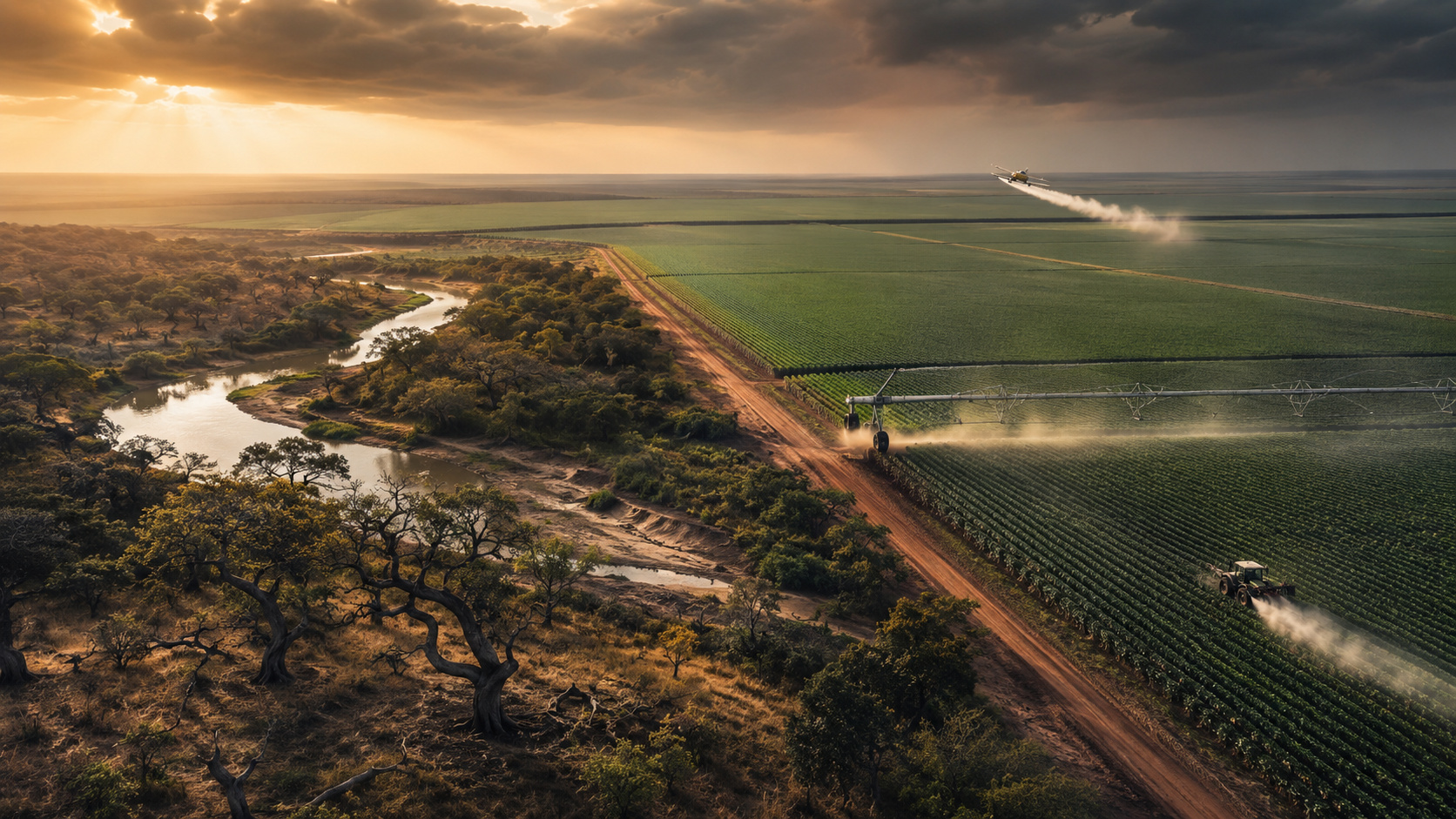

Silvio’s Journey in Agriculture is Marked by Bold Investments and a Curiously Distant Management.
Even Without Ever Visiting Some of His Farms, He Built a Rural Empire That Impresses to This Day.
The Rural Empire of Silvio Santos
In 1972, Silvio Santos Purchased the Former Agropecuária Tamakavy, Renamed to Baú Agropecuária S.A., Located in the Municipalities of Alto Boa Vista and São Félix do Araguaia, in Mato Grosso.
The Property Totaled More Than 70 Thousand Hectares and Sheltered About 10 Thousand Heads of Cattle.
The Acquisition Was Part of a Strategy Encouraged by the Military Government, Which Sought to Expand Cattle Raising in the Legal Amazon.
Silvio Acquired the Area from Entrepreneurs Orlando Ometto and Renato de Almeida Prado, Who Were Already Known in the Sugarcane Sector.
The Volume of Land Was Impressive for Its Extent and Strategic Importance.
For the Military, Initiatives Like This Strengthened the Occupation of the Region, While for Silvio, They Represented a New Facet of His Business Career.
Distance Management
Despite Being the Owner of One of the Largest Rural Properties in Brazil at the Time, Silvio Santos Admitted in an Interview with Folha de S.Paulo That He Never Got to Visit the Farm.
He Commented, in a Humorous Way: “I Had a Farm That Was the Second Largest in Brazil, the Tamakavy, and I Never Went There. I Didn’t Even See It on the Map.”
The Decision to Manage His Rural Businesses from a Distance Reflects His Business Style, Which Always Prioritized Delegating Functions and Trusting Capable Teams.
This Stance Also Highlighted His Ability to Diversify by Investing in Areas Completely Distinct from His Main Field, Entertainment.


Exit from the Rural Sector
At the End of the 1980s, Silvio Decided to Dispel His Properties in Mato Grosso.
This Decision Coincided with the Sale of Other Important Assets, Such as Rede Record, and with His Attempt to Run for President of the Republic in 1989.
The Period Marked a Redefinition of His Business Priorities, Focusing on Businesses That Required Greater Direct Involvement.
However, Even After His Exit from Agriculture, the Impact of His Initiatives in the Sector Continued to Be Remembered.
The Impact of Agriculture on His Current Businesses
Jequiti, One of the Brands of Grupo Silvio Santos, Depends on Agricultural Raw Materials to Produce Its Cosmetics.
Vegetable Oils, Such as Those Derived from Soy, and Alcohol Produced from Sugarcane Are Essential for the Manufacture of Perfumes and Creams.
Additionally, Products Such as Tele Sena and Baú da Felicidade Use Paper in Their Coupons and Receipts, Which Also Relates to Agriculture, Since the Raw Material Comes from Cellulose Extracted from Cultivated Trees.
These Elements Show That, Even Indirectly, Agriculture Remains Present in Silvio Santos’s Business Legacy.
His Ability to Identify Connections Between Such Distinct Sectors Reveals the Genius Behind His Management.
A Multifaceted Legacy
Silvio Santos Left His Mark Not Only on Television but Also in Agriculture and Various Sectors of the Brazilian Economy.
His Journey Demonstrates a Unique Entrepreneurial Vision, Capable of Identifying Opportunities in Completely Distinct Areas.
Even After His Exit from the Rural Sector, the Impact of His Decisions Remains Relevant, Both in the History of Agriculture and in the Popular Imagination About His Legacy.
Silvio Santos’s Story in Agriculture Reveals a Little-Known But Equally Fascinating Side of the Greatest Communicator in Brazilian TV.
Did You Know That Silvio Santos Had One of the Largest Farms in Brazil But Never Set Foot on It? Share Your Opinion in the Comments About This Surprising Facet of the Greatest Communicator in Brazilian TV!





-

1 person reacted to this.