






 Portuguese
  Spanish


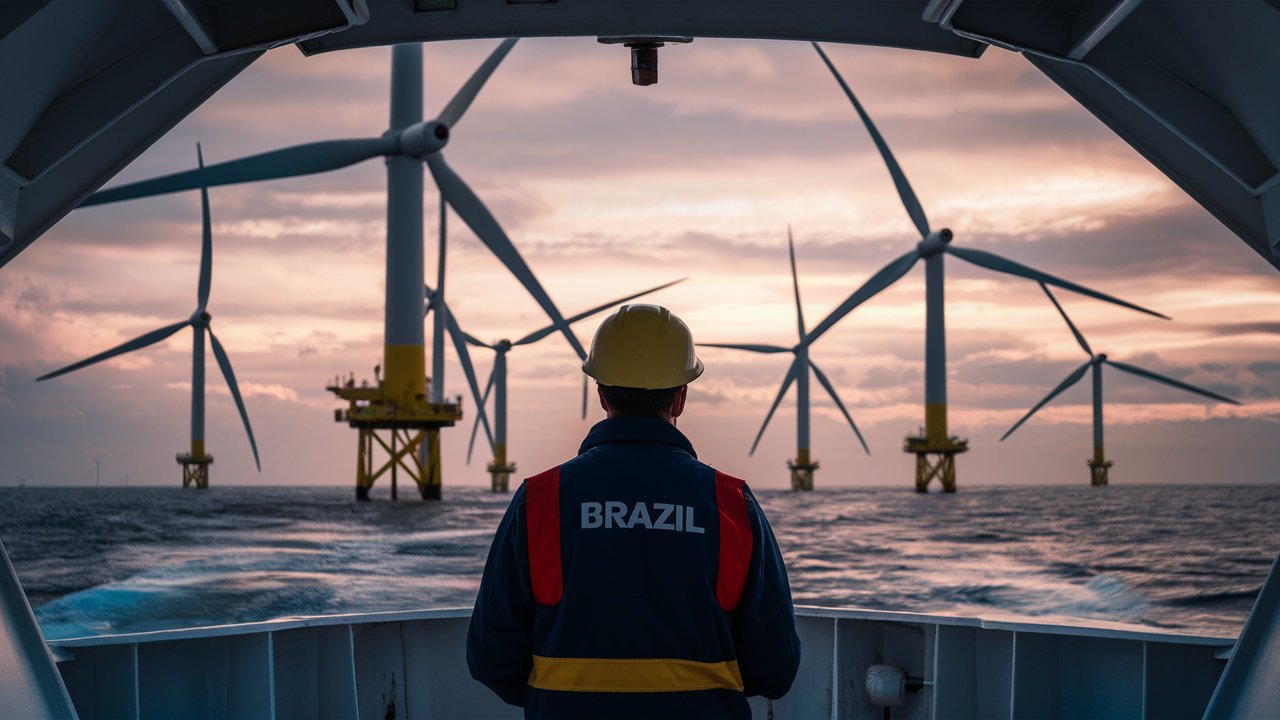

Brazil Advances in Energy Transition with Participation of Sindienergia-RS in an International Technical Mission.
The Sindienergia-RS is representing the renewable energy sector of Rio Grande do Sul in an international technical mission focused on offshore wind energy. The event, promoted by Basque Trade and Investment and Flanders Investment & Trade, brings together experts and companies in the sector for experience exchange and presentation of sustainable port infrastructure models. This initiative takes place from March 10 to 14, 2024 and aims to foster strategic partnerships for projects in Brazil, as informed by Sindienergia-RS.
Mission Highlights
The mission takes place in Bilbao, Basque Country, from March 10 to 12, 2024, and proceeds to Ostend, Flanders, from March 12 to 14, 2024. The goal is to learn about sustainable port infrastructure models and best practices in offshore wind energy, such as those applied in the ports of Spain and Belgium. The event organization is under the responsibility of Basque Trade and Investment and Flanders Investment & Trade, as disclosed by the Basque Government.
Brazil Seeks References for a Green Port
One of the main purposes of the mission is to contribute to the development of the Green Port Pilot Project, expected to be implemented at the Port of Rio Grande by 2026, in partnership with Portos RS. The project aims to encourage the use of renewable energy, reduce carbon emissions, develop a logistics hub for Mercosur, train specialized labor, and attract international investments. According to Portos RS, this initiative seeks to align the Brazilian port sector with international best practices.
-
Brazil filled the Northeast with wind turbines but now faces the side effect of 705 giant blades reaching the end of their lifespan by 2032 just in Rio Grande do Norte, while the world projects 43 million tons of waste by 2050.

-
Brazil has filled the Northeast with wind turbines, but now it faces the side effect of 705 giant blades reaching the end of their useful life by 2032 just in Rio Grande do Norte, while the world projects 43 million tons of waste by 2050.
-
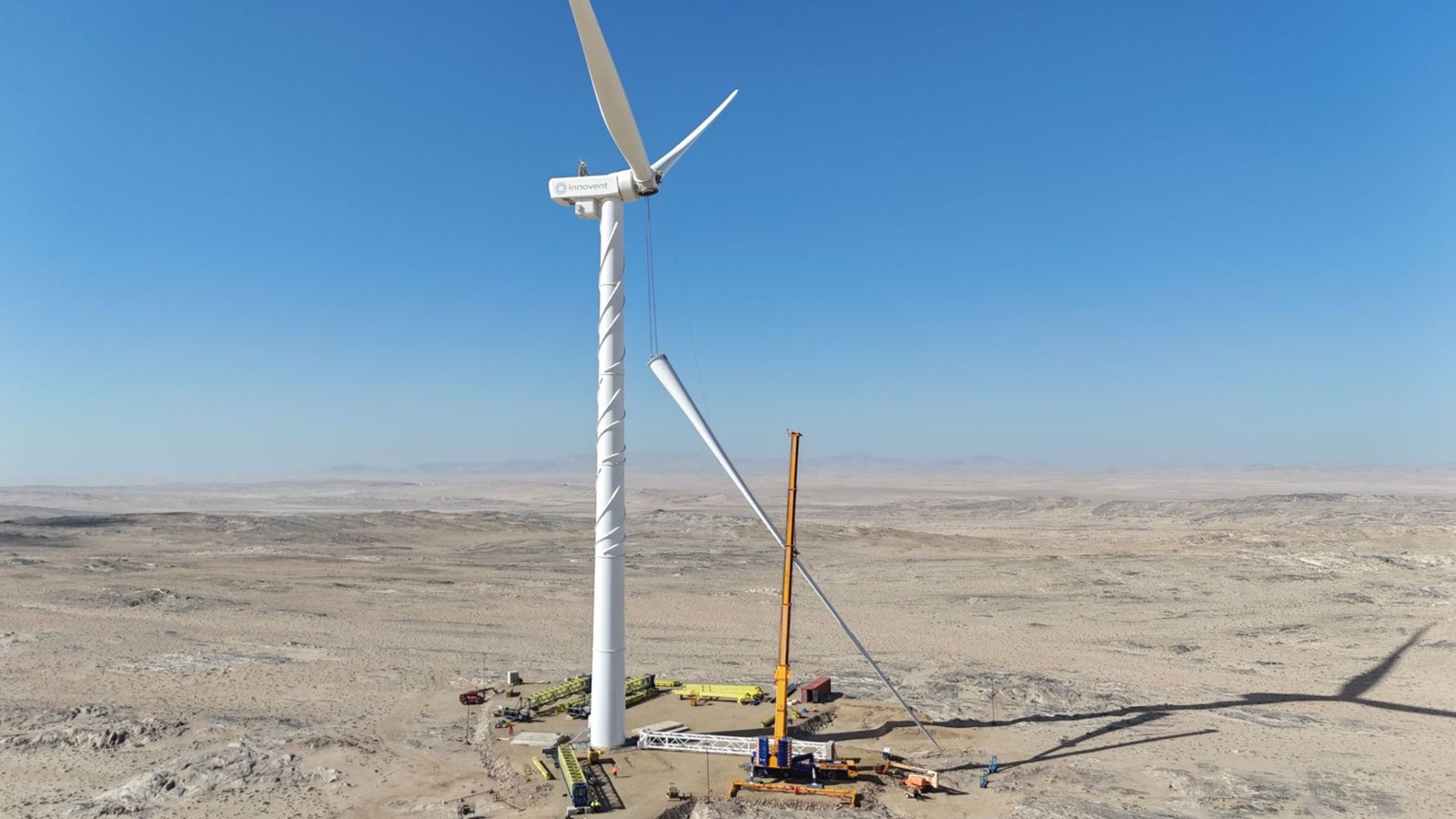
Wind farm in Namibia will have wind turbines assembled without giant cranes and is expected to avoid 200,000 tons of carbon dioxide per year when it becomes operational.

-
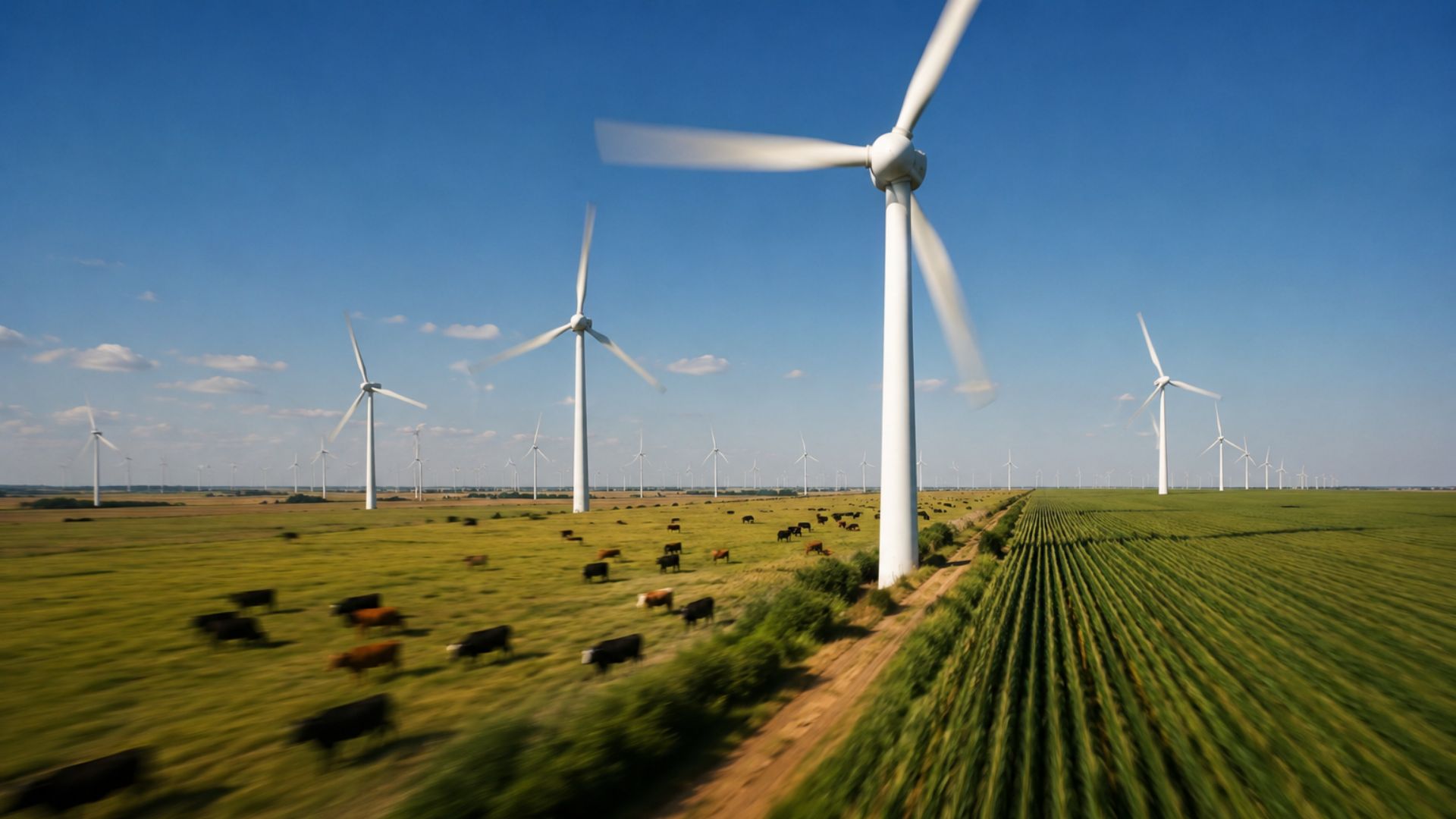
Taller than the Statue of Liberty, thousands of wind turbines are being planted in the middle of U.S. fields, creating two-story farms where corn and soybeans grow below while the wind turns into electricity above.


Opening with Iberdrola and Visit to Punta Solana Dock Wind Farm
The mission started on March 10, 2024, with a reception at the headquarters of Iberdrola, a company that operates in Brazil under the brand Neoenergia. The delegation presented the initiatives of Rio Grande do Sul to representatives of Spanish companies and government. On March 11, 2024, participants visited the Punta Solana Dock Wind Farm, at the Port of Bilbao. In operation since 2005, the farm has 5 wind turbines, with a total capacity of 10 MW and nominal power of 2 MW per unit. According to the Port Authority of Bilbao, the initiative has consolidated the port as a reference in renewable energy in the Bay of Biscay.
Expansion of Sustainability in European Ports
In addition to the Punta Solana Dock, the Port of Bilbao is adopting measures for energy transition and sustainability. Since 2021, the vehicle fleet of the Port Authority has been converted to electric, and in 2022, the Energy Transition Plan was implemented. The port is currently developing tidal energy projects, floating solar energy, and green hydrogen production from bioLNG. These initiatives reinforce the need for Brazil to keep up with global developments in sustainable port infrastructure.
Offshore Wind Energy and the Future of Brazil
The international mission contributes to Brazil’s pursuit of innovation in the renewable energy sector, especially in offshore wind energy. The participation of Sindienergia-RS strengthens the commitment of Rio Grande do Sul to sustainability and opens opportunities for strategic investments. According to the National Electric Energy Agency (ANEEL), Brazil has a potential for offshore wind energy generation exceeding 700 GW, reinforcing growth prospects in the sector. Thus, Brazil has the opportunity to expand its participation in the global energy transition.
Economic and Environmental Impact
The benefits of offshore wind energy include reduction of carbon emissions, diversification of the energy matrix, generation of qualified jobs, attraction of foreign investments, and integration with port infrastructure. According to the Global Wind Energy Council (GWEC), investments in Latin America in offshore wind energy can exceed US$ 100 billion by 2040. This transition not only favors the environment, but also drives sustainable development in Brazil.
The technical mission of Sindienergia-RS, therefore, represents a strategic and fundamental step for the advancement of offshore wind energy in Brazil. Thus, when considering successful international references, it can be seen that the Green Port Project stands out as one of the main advancements for a more sustainable and innovative economy. Furthermore, the adoption of new technologies in this context consequently strengthens Brazil’s competitiveness in the renewable energy sector. Therefore, to keep up with more news on renewable energy and innovations in the offshore sector, be sure to follow our updates!








