






 Portuguese
  Spanish


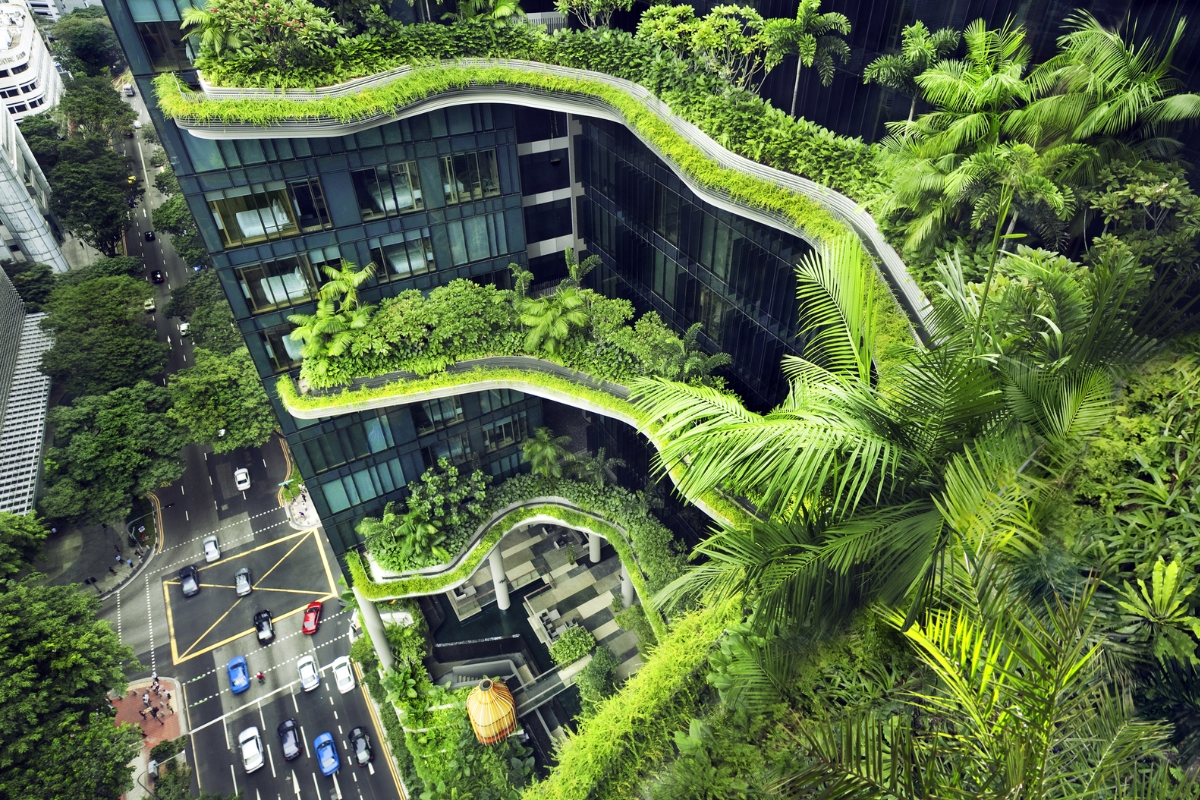


In Singapore, The Government And The National Parks Board Launched A Plan That Already Covers Almost 50 Percent Of The Territory With Green Areas, Including More Than 200 Hectares Of Parks And The Planting Of 1 Million Trees By 2030, To Enhance Biodiversity And Quality Of Life, Causing A Direct Impact On Urban Climate And Attracting Attention From Urban Planners Worldwide.
Singapore Has Built An Uncommon Reputation Over Decades: That Of Being A City Within Nature.
Instead Of Expanding Concrete Limitlessly, Urban Planners Decided To Integrate Vegetation Into Almost All New Developments.
Green Roofs, Vertical Gardens, Living Walls, And Buildings Covered In Plants Have Become Part Of The Landscape. The Result Is Visible From Above And On The Streets.
-
Teen from Brazil Turns School Snack Sales into Million-Dollar Confectionery Business Projected to Earn Nearly $1.9 Million in 2024

-
Why Do Electrical Outlets and Switches Turn Yellow? Understanding the Impact of Light, Temperature, and Materials on Color Change
-
Former Brazilian laborer and ice cream vendor turns struggling company into $16.5 billion giant with 90,000 employees.

-
New Cyclone Expected to Hit Brazil, Changing Weather Within 72 Hours


Today, Almost Half Of The Country’s Land Is Covered By Green Areas, Something Impressive For One Of The Most Densely Populated Cities On The Planet.
How Singapore Incorporated Nature Into Rapid Urban Growth
Singapore Faces Strong Pressure For Space. As It Grows, The City Can Only Move Vertically.
In The Last 10 Years, The Government Introduced Policies To Encourage Green Architecture, Both Inside Buildings And In Urban Design Strategies.
Projects Have Started To Include Integrated Vegetation From The Design Stage. The Decision Was Conscious: Nature Would Not Be An Afterthought, But Part Of The Urban Structure.
According To Experts, This Strategy Helps Combat Heat Islands, Improve Drainage, And Strengthen Biodiversity. The Impact Was Immediate On The City’s Perception.

Bishan Ang Mo Kio Park Transforms Concrete Canal Into Naturalized River
One Of The Most Iconic Examples Is Bishan Ang Mo Kio Park, Developed By Ramboll Studio Dreiseitl In Partnership With The National Parks Board.
What Was Once A Concrete Canal Along The Kallang Has Been Transformed Into A Naturalized River. The Intervention Increased Drainage Capacity And Created New Community Spaces.
The Project Integrates The Active, Beautiful, Clean Waters Program, A Long-Term Initiative Aimed At Transforming Water Bodies Into Vibrant Areas For Leisure And Community.
The Detail That Attracted The Most Attention Was The Creation Of An Active Ecosystem. Birds, Otters, And Other Species Started To Occupy The Space, Showing That People And Nature Can Coexist.
Jurong Lake Gardens And Kampung Admiralty Show The Strength Of Biophilic Design
In Jurong Lake Gardens, The Lakeside Garden Covers 53 Hectares. The Goal Was To Restore Swamp And Forest Landscapes That Once Dominated The Jurong Area.
The Proposal Goes Beyond Aesthetics. The Space Was Designed For Recreational Activities And Community Integration, Recovering Part Of The Local Natural Heritage.
Another Landmark Is Kampung Admiralty, A Project That Combines Different Functions Under One Roof, Such As Housing And Community Areas.
With Abundant Vegetation, Fruiting Trees, And A Diversity Of Species, The Complex Creates An Environment That Encourages Coexistence And Well-Being. The Layered Concept Resembles A Vertical Sandwich Of Services And Nature.
Scientific Research Measures Environmental Impact And Urban Biodiversity

The Future Cities Lab Global Strengthens Research Between Singapore And Switzerland To Address Environmental Sustainability Challenges.
The Studies Analyze The Environmental Performance Of Green Buildings, Improved Urban Climate, And Reduction Of Overheating Through Natural Cooling.
On The Campus Of The National University Of Singapore, The Ventus Naturalised Garden Replaced Conventional Lawns With Spontaneous Vegetation Through Minimal Interventions.
Even A Small Piece Of Land Began To Connect Park And Secondary Forest, Proving That Small Areas Can Contribute To Ecological Networks On A City Scale.
According To Researchers, The Biggest Challenge Is Not Technical, But Cultural: It Is Necessary To Accept That Humans Share Space With Other Species.
Green Plan 2030 Expands Goals With 200 Hectares And 1 Million Trees
In 2021, The Government Launched The Green Plan 2030, A National Movement To Transform Singapore Into A Global Reference For Sustainability.
Among The Goals Are The Creation Of An Additional 200 Hectares Of Natural Parks, Ensuring That Every Residence Is Within 10 Minutes’ Walking Distance Of A Green Area.
The Plan Also Includes The Planting Of 1 Million Trees Across The Island To Absorb More Carbon Dioxide And Improve Air Quality.
Furthermore, The National Parks Board Manages Over 3,500 Educational Programs In Its Green Spaces, Strengthening The Public’s Connection With Nature.
During The Pandemic Lockdown Periods, These Parks Functioned As True Urban Lungs, Reinforcing The Importance Of Natural Spaces For Mental Health And Quality Of Life.
Singapore Continues To Advance With Five Central Strategies: Conserving Natural Capital, Intensifying The Presence Of Nature In Parks, Reintroducing Vegetation To The Urban Landscape, Connecting Green Areas, And Improving Wildlife Management.
Singapore Shows That Even An Extremely Dense City Can Integrate Concrete And Biodiversity. With Almost Half Of The Territory Covered By Green Areas And Clear Goals By 2030, The Country Has Transformed Urban Planning Into A Climate Tool, Creating A Model That Attracts Attention From Architects, Environmentalists, And Public Managers Worldwide.
Do You Believe That Brazilian Cities Could Adopt A Similar Model Of Complete Integration Between Nature And Urbanization? Leave Your Opinion In The Comments.
Suggested SEO Keywords: Singapore Green City, Green Plan 2030, Parks In Singapore, Urban Biodiversity, Green Architecture, National Parks Board, Sustainable Urbanism, 1 Million Trees, 200 Hectares Of Parks, City In Nature




Eu acho que Singapura deveria usar geoprocessamento e drones inteligentes para observando os declives dos terrenos, antigas imagens reveladas por infravermelho e sulcos de córregos etc para orientar a intervenção governamental em seu Green Plan. Por exemplo, verificar quais os pontos das áreas verdes já existentes (Parques, Jardim Botânico e o Fragmento de Floresta Tropical remanescente para ver quais os pontos + favoráveis a criação de corredores verdes e tbm quais os + críticos. Tbm um banco genético em parceria com a Malásia que tem o mesmo clima e biomas . Ampliar áreas com vegetação marinha (como os aningais no parque de Belém do Pará) e ampliar os mangueira e se houverem tbm os corais (formações) tem um país não sei se a Austrália usa moldes em 3D (com material que não agride o meio ambiente) e os submerge para aumentar as áreas de corais. Eu investiria em pesquisas sobre a vegetação tropical da área (igual a da Malásia); preservação e reprodução “berçários” de vegetação de mangues para repovoamento e outros para área de zoologia os animais marinhos, pássaros e até símios (em áreas verdes teladas para não irem para área urbana ). Faria passagens para sapos e animais terrestres não serem atropelados e continuariam o Plano de Aumento de Área da Ilha que eles executam . O objetivo da 1a parte seria atingir 800 kms2 que é a área de Belém do Pará (minha cidade).