






 Portuguese
  Spanish
  3 min of reading
  0 comments


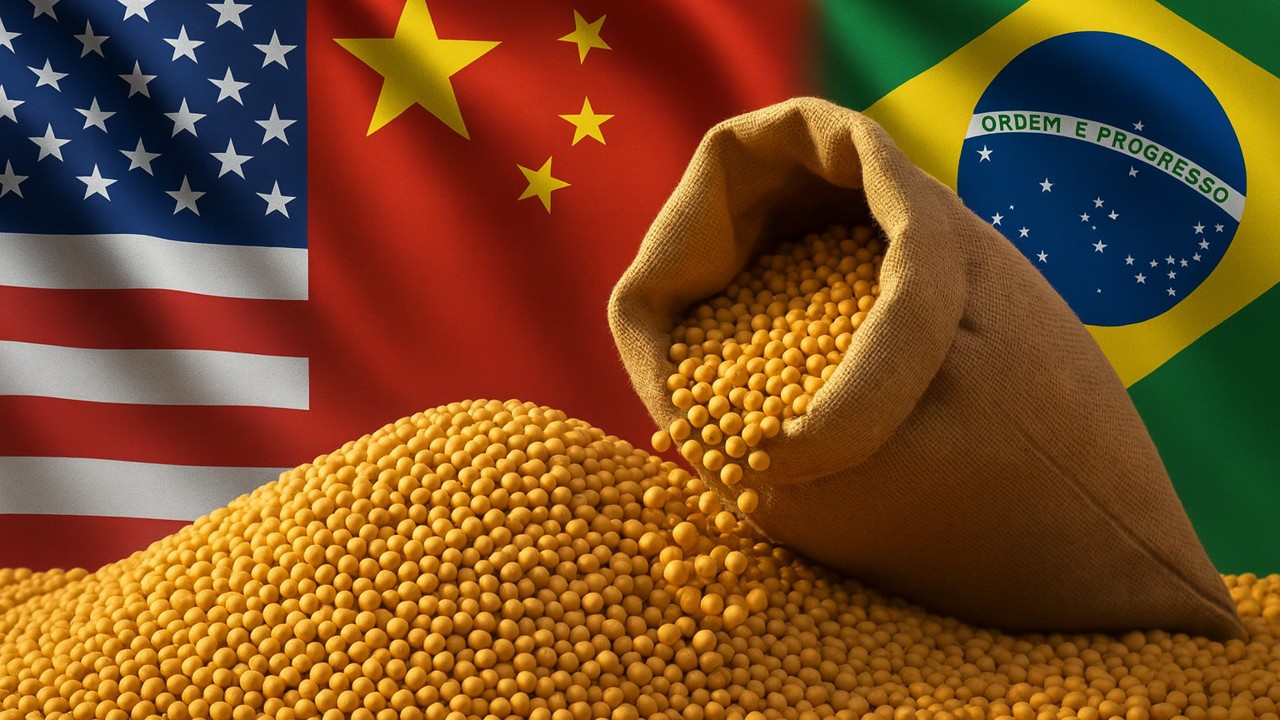
Soybean Shortage in China Is Expected to Worsen Starting in February as Brazil Emerges Again as the Main Supplier; Feed Production Has Already Increased by 10% This Year and Surpasses Historical Record of 2023
The soybean market is currently in a state of expectation. According to specialists, prices in Chicago are stable, awaiting a concrete signal from China regarding purchases from the United States. The question is not whether Beijing will buy, but how much it will buy.
The difference is huge: acquiring 20 million tons or less than 10 million can redefine global prices and alter the American export balance. Each week without purchases means 1 million tons less of potential negotiation.
Currently, Chinese coverage is at 65% to 70% for October, primarily supplied with soybeans from Brazil and Argentina. For November, coverage is still low, close to 10%, indicating that China will need to buy between 13 and 15 million tons by December.
-
Low-Demand Brazilian Beef Offal Gains Popularity Abroad: Indonesia Purchases $19.5 Million, Boosting Revenue and Reducing Waste

-
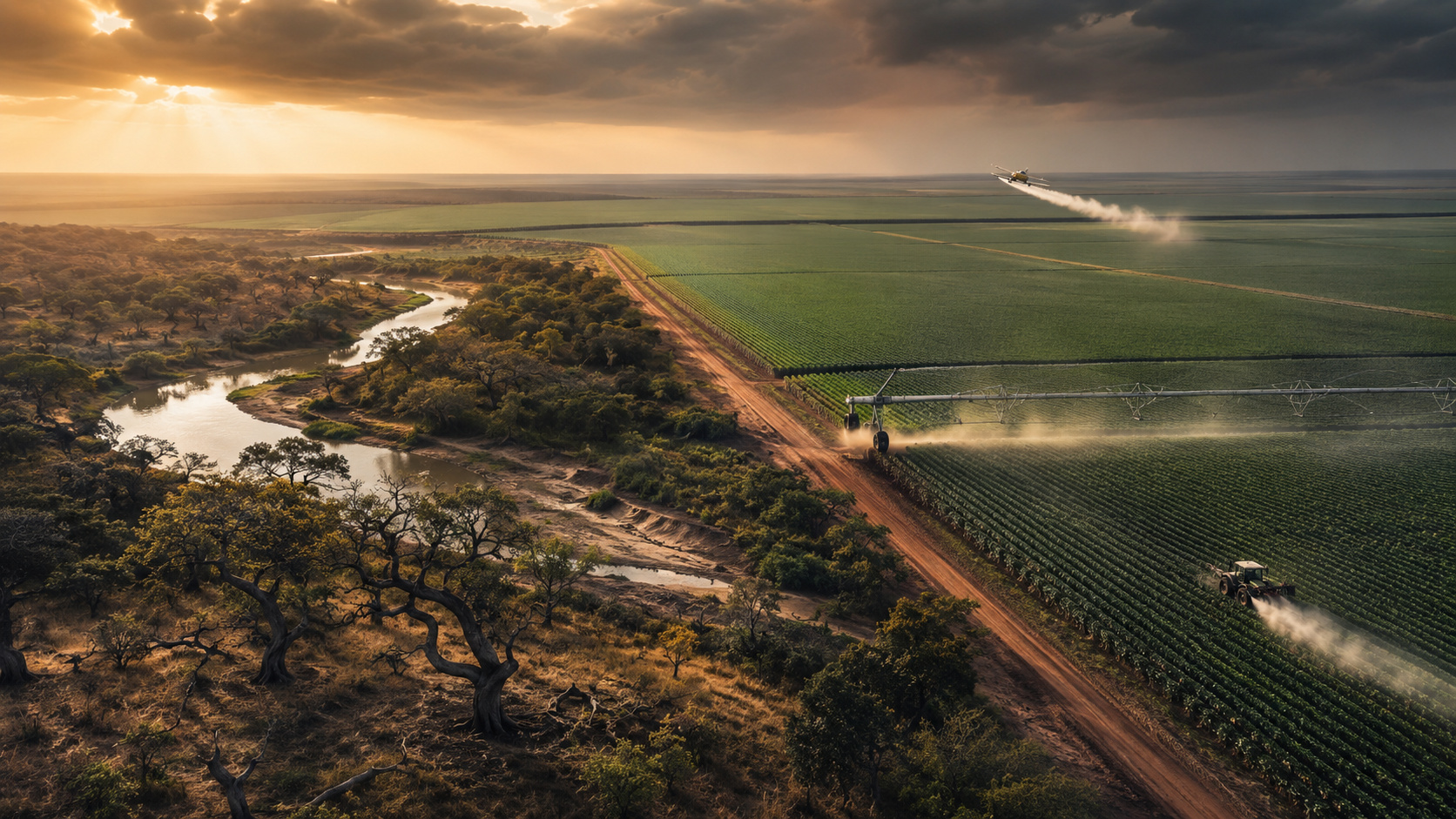
Soy Expansion in Former Brazilian Savanna Sparks Water and Land Conflicts in Major Agricultural Frontier
-
Mexican Pest Threatens U.S. Cattle Herds at Historic Lows, Potentially Boosting Brazilian Beef Exports as Burger Prices Soar

-
Avocado Boom for European and U.S. Markets Fuels Water Crisis in Drought-Stricken Chilean Region




China Pressures Margins and Puts the U.S. in Check
Despite strong domestic consumption, the Chinese crushing industry faces tight margins. The reason: expensive soybeans, while the meal (byproduct used in feed) does not keep up with the appreciation.
In recent months, China has recorded 22 consecutive weeks with factories operating above 68% of their capacity — a record. However, the current flow may suffer a sharp decline between October and January, when Brazilian shipments decrease and dependence on American soybeans increases.
Vanin warns: the “pickle” for the Chinese is at the beginning of 2025, when the gap until the arrival of the new Brazilian harvest could tighten supply. In this scenario, the United States becomes a key player.
Political Agreement May Change the Game
The big unknown is not just the volume of purchases, but how they will be made. If through a bilateral trade agreement between China and the United States, as occurred in 2020, the impact could be immediate.
However, Vanin highlights that, unlike previous years, there are no signs of a major “agreement.” The trend is for China to unilaterally decide how much to buy, possibly in small rounds of negotiation.
This generates instability in Chicago: if purchases are between 15 and 18 million tons, the effect will be positive for prices. On the other hand, purchases of only 10 million or less could drive prices down.
Brazil on the Board: Advantage or Risk?
While China evaluates American soybeans, Brazil has already sold 80% of its production and maintains high premiums. If the Chinese finalize an agreement with the United States, internal prices could drop by up to 30 dollars per ton, but domestic industry demand should alleviate some of the pressure.
Furthermore, the growth of feed production in China — 10% in the first half of 2025 — reinforces the need for soybeans, contrary to analyses linking imports to Chinese GDP. The decisive factor, according to Vanin, is the stability of the pork herd and the low cost of feed, which ensure profits for Chinese producers even with falling meat prices.
Open Political and Economic Scenario
The global soybean market remains tied to a political equation:
- China needs to buy to ensure supply in 2025.
- The United States is waiting for an opportunity to sell.
- Brazil has already seized the moment and rapidly shipped its harvest.
The outcome will depend on diplomacy and Beijing’s choices: to strategically buy more American soybeans or continue betting on South American supply.
Meanwhile, Chicago remains on the sidelines but could react to any signs coming from Beijing. Any potential political agreement could affect not only prices but also the balance of power in international agricultural trade.






-

-

-

-

-

17 people reacted to this.