






 Portuguese
  Spanish


Soviet Probe Kosmos 482 Will Reenter Earth in May After 53 Years in Orbit, With Low But Existing Risk of Debris
A space probe launched 53 years ago is expected to make an uncontrolled reentry into Earth in the coming weeks. Built to withstand extreme conditions, parts of the craft may survive the descent and hit the ground.
Probe Kosmos 482: Failed Mission of the Soviet Era
The object is the landing module of an old Soviet spacecraft, Kosmos 482. According to satellite tracker Marco Langbroek, based in Leiden, Netherlands, the reentry is expected to occur in the second week of May.
Langbroek warned that, having been designed to withstand the atmosphere of Venus, the module may survive its passage through Earth’s atmosphere and impact. “The risks involved are not particularly high, but they are not zero“, he wrote on his blog.
-
OnePlus N6 Smartphone to Launch in India with 8,000mAh Battery and 45W SuperVOOC Charging, Lasting Up to Three Days

-
Scientists Plan to Release Air Bubbles Underwater to Protect Antarctica’s “Doomsday Glacier” from Melting

-
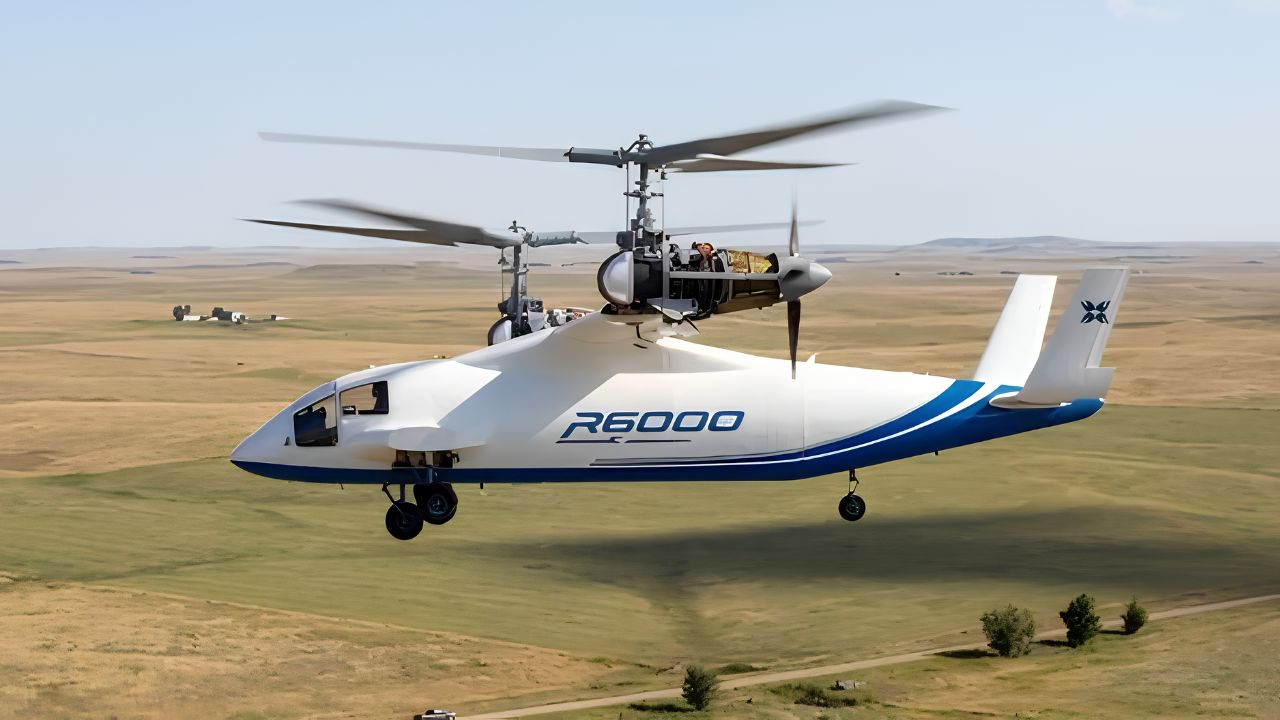
Chinese R6000 Drone Combines Airplane and Helicopter Features, Carries Up to 12 People for Multiple Missions
-
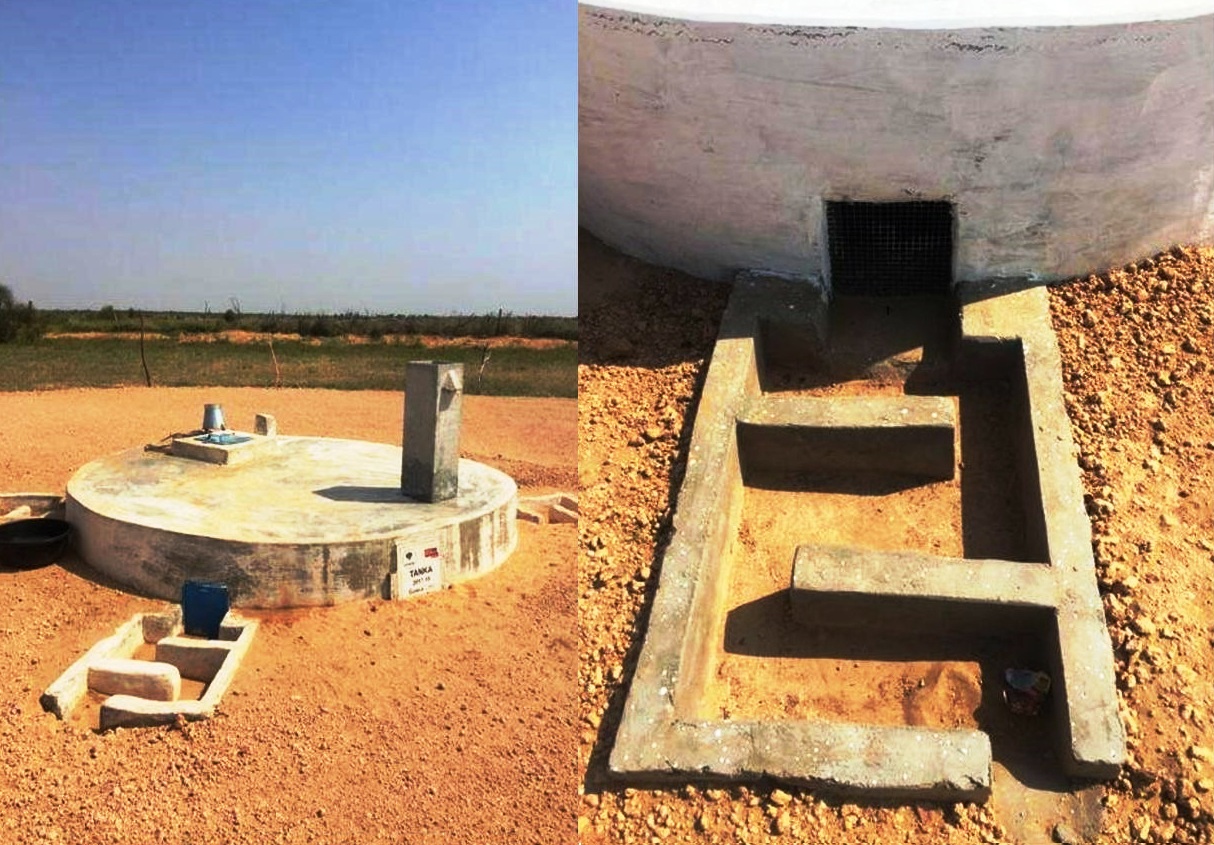
In the World’s Most Densely Populated Desert, Families Dig Funnel-Shaped Underground Cisterns to Capture Rare Rainfall and Store Drinking Water for Up to Eight Months



Kosmos 482 was launched on March 31, 1972, from the Baikonur Cosmodrome in Kazakhstan. The mission was a Soviet attempt to send a probe to Venus.
However, the spacecraft suffered a failure and did not gain enough speed to leave Earth’s orbit. Instead of heading towards Venus, the craft remained in an elliptical orbit around the planet.
Fragments Fell in New Zealand
After the launch, Kosmos 482 broke into four pieces. Two smaller fragments reentered the atmosphere and fell near Ashburton, New Zealand, just two days later.
The other two pieces, which were the payload and the engine unit, entered a higher orbit, with distances varying from 210 to 9,800 kilometers from Earth.
Uncontrolled Reentry and Associated Risks
The failed mission carried a space shuttle and a landing probe. Together, they formed a spherical pressure vessel weighing over 495 kilograms. According to Langbroek, considering this mass, “the risks are similar to those of a meteorite impact“.
At present, experts are still having difficulty determining exactly when the craft will reenter. Langbroek estimates this will occur on May 10, but emphasizes that a more precise date can only be defined as the event approaches.
The reason for the uncertainty is intense solar activity, which heats and expands Earth’s atmosphere, increasing drag on objects in orbit and accelerating their fall.
Fate of the Debris Remains Uncertain
It is also not possible to accurately predict where the debris from the spacecraft will fall. This depends on the timing of the reentry and how the object will fragment.
In general, the chances of debris hitting populated areas are low, with a higher likelihood of ending up in remote parts of the ocean. Nevertheless, uncontrolled reentries pose a small risk that cannot be ignored.
With information from Gizmodo.


