






 Portuguese
  Spanish


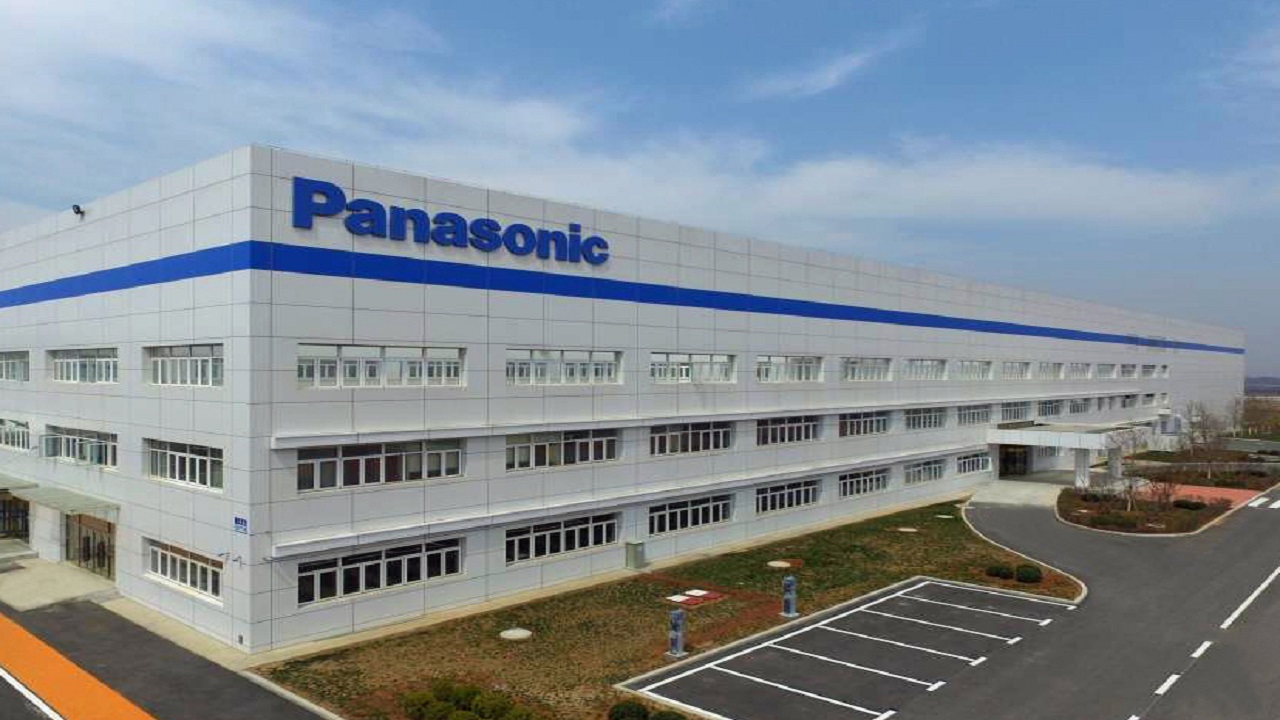

Panasonic Brazil Anticipates Gradual Growth of Hired Labor in the City by Approximately 20% Throughout Project Development
With R$ 300 million, Panasonic Brazil, the Brazilian subsidiary of the Japanese conglomerate Panasonic Corporation, still has many plans for Minas Gerais materializing through this significant investment. This is the largest funding the corporation has made in the last decade and aims to expand the factory for white goods in Extrema, in the southern part of the state. The project’s goals include increasing productivity, bringing new products, and doubling the company’s capacity to manufacture refrigerators and washing machines.
The expansion project for the Extrema plant began in February last year and is scheduled to be completed in April. The production space will double, from 60,000 square meters to 80,000 m², and the expanded facility will start operating at full capacity in August. More restrooms and a larger storage area are among the structural updates for the unit.
Panasonic Yearns for Expansion of Its Projects
The corporation anticipates a gradual growth of hired labor in the city by approximately 20% throughout the project development. Currently, there are about 1,200 people working in the industry in Extrema. With manufacturing units in Manaus (AM) and São José dos Campos (SP) and an administrative and commercial office in the state of São Paulo, the company employs over 2,000 people across Brazil.
-
At 14 years old, she worked in a factory in Hong Kong, studied economics abroad, and then entered the Chinese real estate market, which helped change the landscape of Beijing.

-
While NATO secured more than $10 billion in missiles and space surveillance at a single forum, Brazil still spends 1.1% of its GDP on defense and is stalling its own anti-aircraft system.

-
They exchanged the idea of a large house for a 35 m² warehouse, spent US$ 12,000 on the structure, and created a tiny house in Colorado with space to live and work.
-
Corn ethanol attracts R$ 23 billion in 21 new plants and prepares for a nearly 50% jump in Brazilian production by 2027, even with high interest rates.


Sergey Epof, Vice President of Appliances at Panasonic Brazil, provided the details. He states that the popularity of the Extrema product in Brazil was an important factor in convincing investors to support the company. “Since we brought different products than those available in the market,” he says, “we managed to meet consumer needs.”


Compared to the basic requirements of the National Institute of Metrology, Quality, and Technology, Epof’s products, such as refrigerators, are quieter, have better food preservation technology, and consume less energy (Inmetro). In the same vein, he introduced washer classes with lower water and energy consumption and higher washing efficiency.
Panasonic ESG Policies
According to Epof, the Minas Gerais unit is the corporation’s “green factory” due to various environmentally conscious practices, such as collecting and reusing rainwater. By January 2024, it may supply 60% of the Extrema plant with solar energy, thanks to a project that has just been completed in partnership with another company.
Like the other two Brazilian factories, the one in southern Minas does not emit carbon and helps the company meet its ESG (Environmental, Social, and Governance) goals. To note: “Panasonic values social responsibility. According to him, “everything is linked to ESG” when it comes to working on issues like product efficiency and manufacturing efficiency.
The Japanese headquarters has established goals and procedures to achieve carbon neutrality in a document titled “Green Impact.” The goal is to have net zero CO2 emissions from operational companies by 2030 and reduce emissions by more than 300 million tons by 2050, which is equivalent to about 1% of current global emissions. Epof emphasizes: “It’s a very bold challenge that the corporation is facing, and the units in Brazil are already a few steps ahead of that.”








