Portuguese
  Spanish


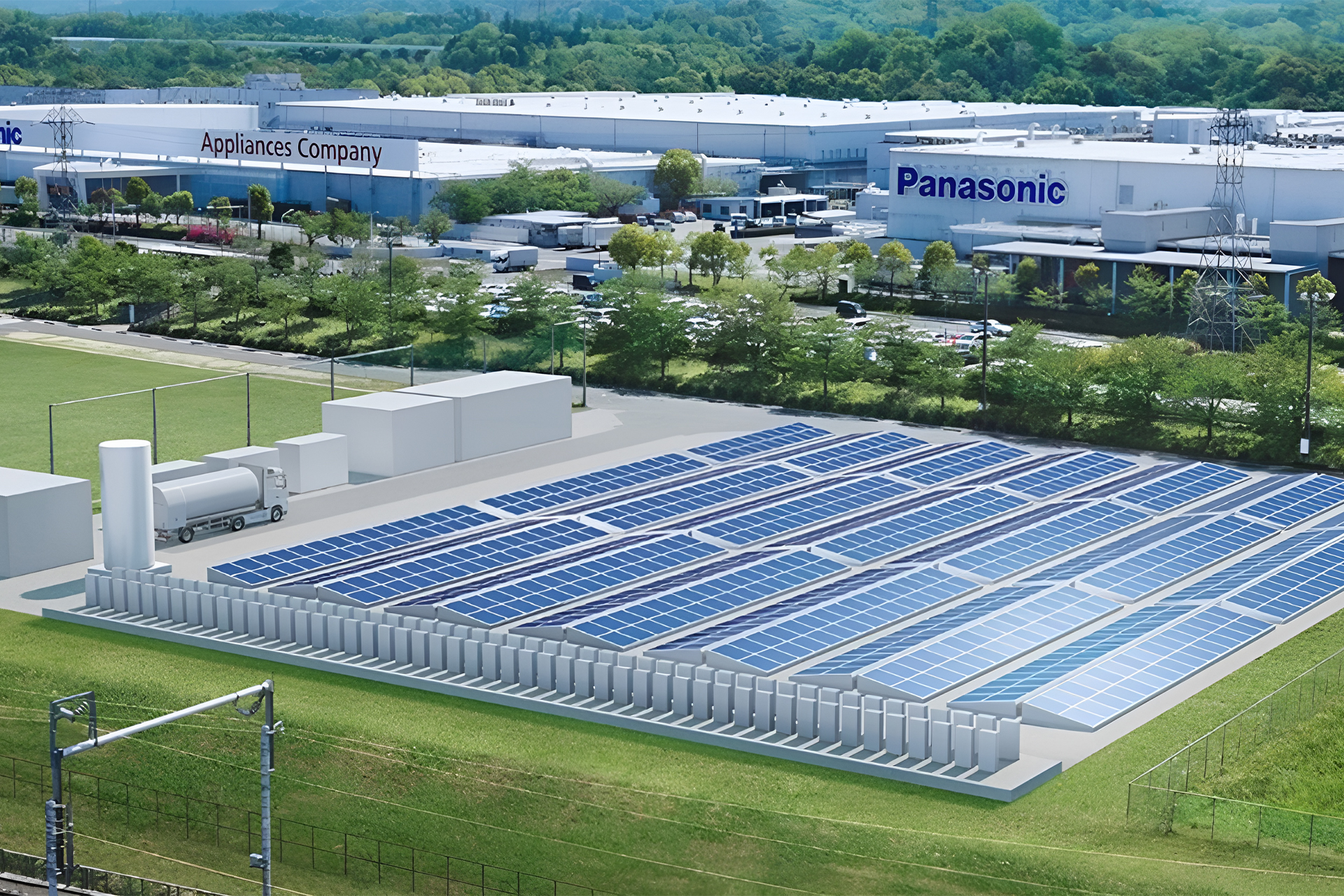

Panasonic Factory Becomes Global Reference in Sustainability by Using 100% Renewable Energy
The production unit of Panasonic, located in Kusatsu, in Shiga Prefecture, Japan, is the only factory of its kind that uses 100% renewable energy. The company provided details about its “green factory” that has become a global reference.
The Panasonic manufacturing facility was established in 1969 to produce appliances such as refrigerators and washing machines. It is a model of environmentally friendly technology in the manufacturing industry, and it has now been updated with the latest advances in sustainability.
The renewable energy factory is balanced by a system that uses artificial intelligence and operates with a mix of solar energy and hydrogen as its power source. The experimental facility was put into operation in April.
-
Brazil Aims to Become a Global Exporter of Green Hydrogen, the Clean Fuel Set to Generate Billions

-
Brazil to Hold First Offshore Wind Energy Auction, Aiming to Become the Country’s New Hydropower
-
Brazil to Hold First Auction for Batteries to Store Solar and Wind Energy from the Northeast
-
Brazilian scientists are simultaneously advancing two research projects on clean hydrogen and driving solutions that could transform the energy matrix, enhance industrial competitiveness, and accelerate large-scale emission reduction targets.

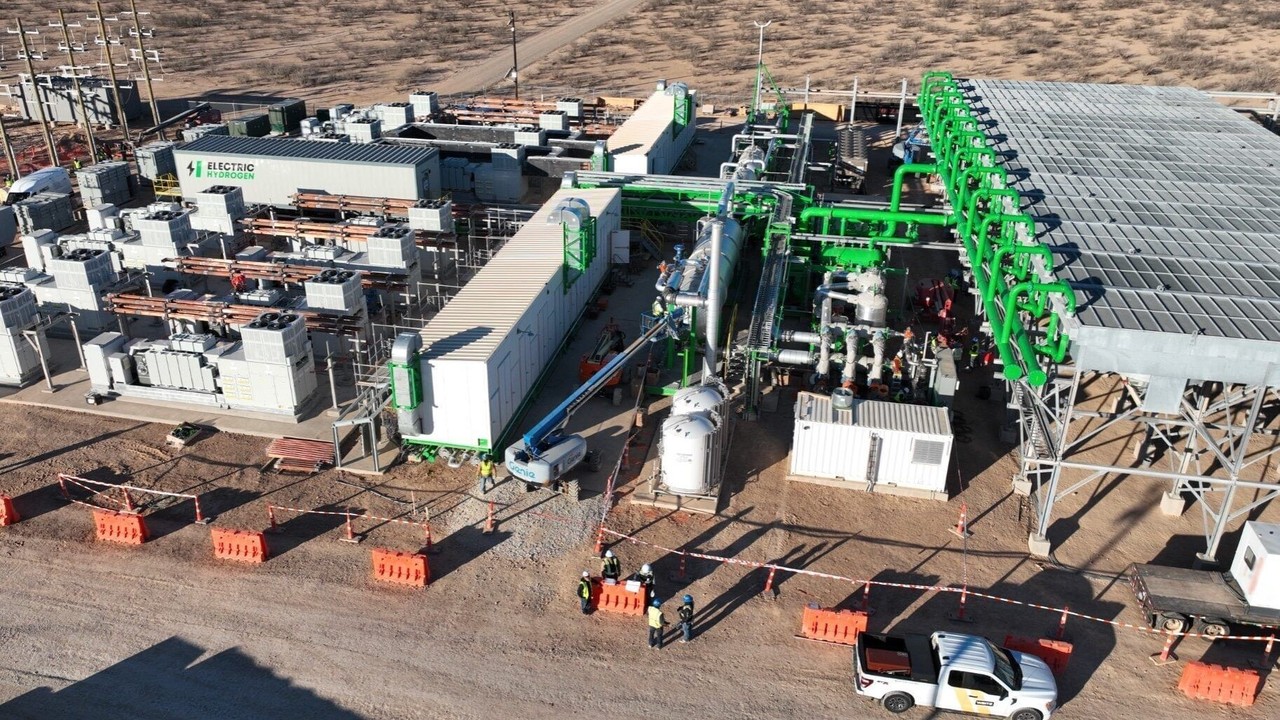

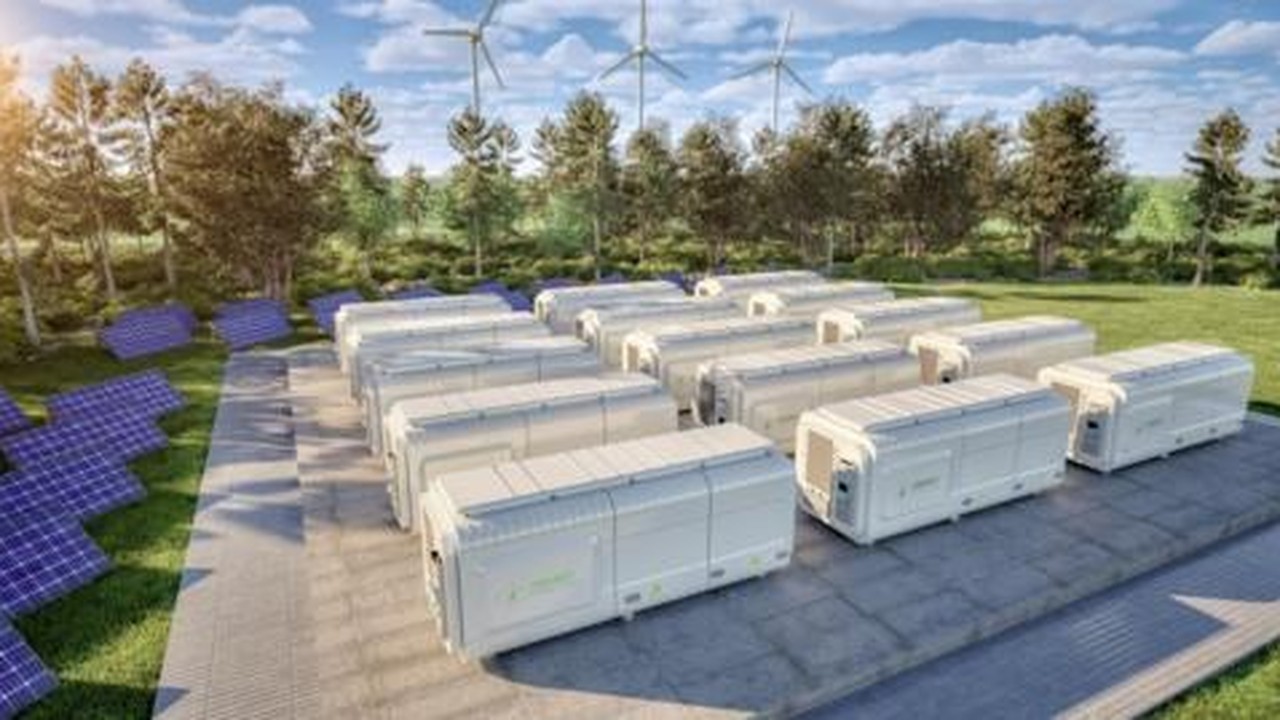
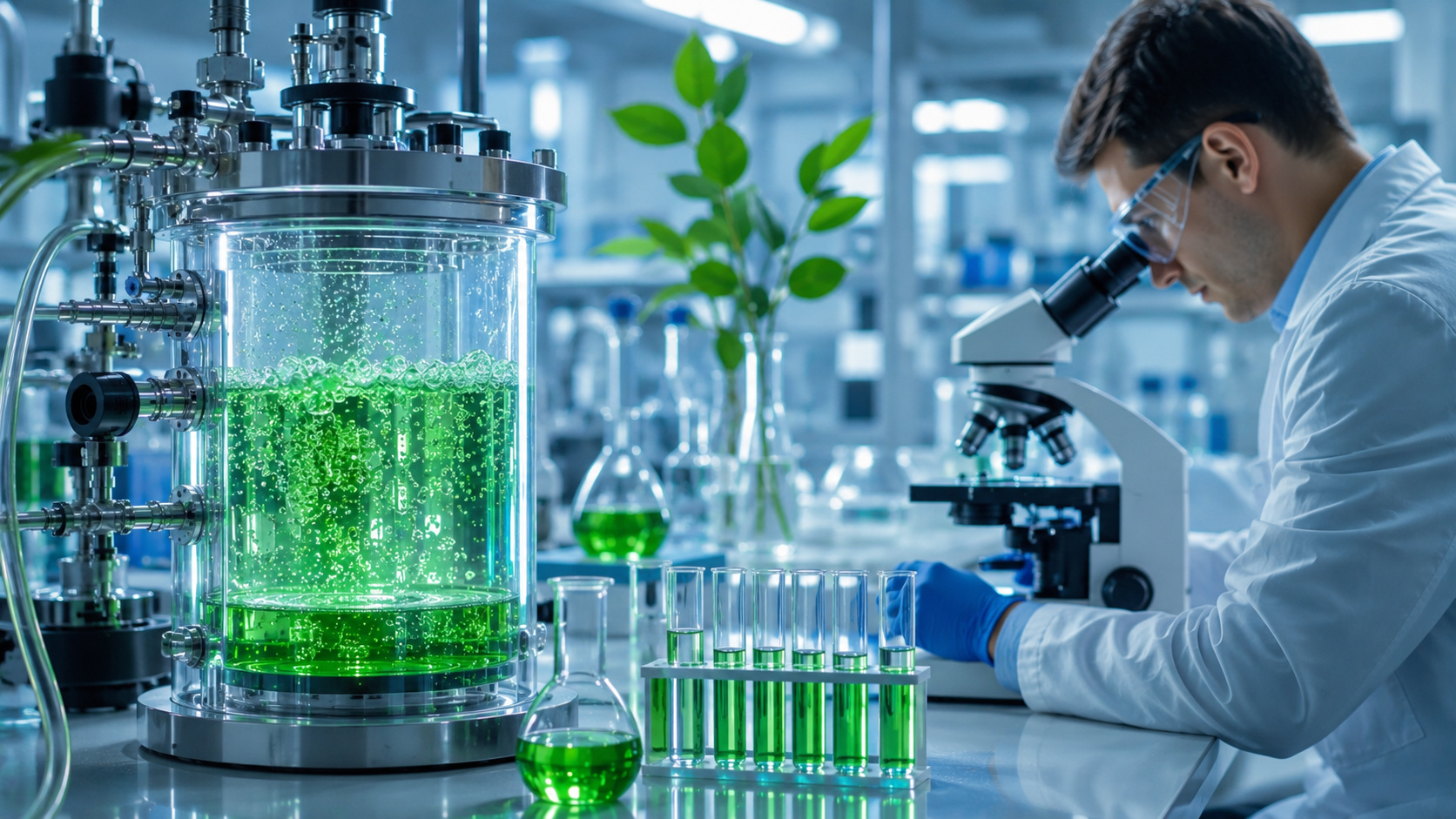
The system features a hydrogen tank, a network of product cells, and a setup with solar panels and Tesla batteries for the storage of renewable energy.
All equipment in the factory is powered by hydrogen cells for about 80% of its electricity needs, while two solar panels provide the remaining 20%. The operation has an annual hydrogen consumption requirement of 120 tons.
During the night, the energy produced by the hydrogen cells supplies electricity to the batteries, which are used at all times. During the day, the Energy Management System (EMS), powered by artificial intelligence, determines how much renewable energy the factory should consume, deciding whether to draw energy from the solar panels or the batteries. This decision is made to minimize the amount of energy that must be purchased from the external grid.
This is the First Factory of Its Kind to Use 100% Renewable Energy, Says Hiroshi Kinoshita from Panasonic’s Intelligent Energy Systems Division
Panasonic believes that it will be necessary to bring prices down to around 20 yen (75 cents in current currency) per cubic meter of hydrogen to make the system competitive with the public energy grid. Thus, it can continue
Iwatani, a local supplier, recently launched a research unit in Osaka with the aim of producing “green hydrogen” without the use of any fossil fuels, which is another significant step in the right direction.
Panasonic anticipates an increase in demand for new factories using renewable energy, as a result of Japan’s goal to achieve carbon neutrality by 2050. Norihiko Kawamura from the Systems Division has an important message. According to him, if we want to have 100% of our factories powered by renewable energy by 2030, we need to start something like this now, not in 2030″.