





 Portuguese
  English
  Spanish
  3 min of reading


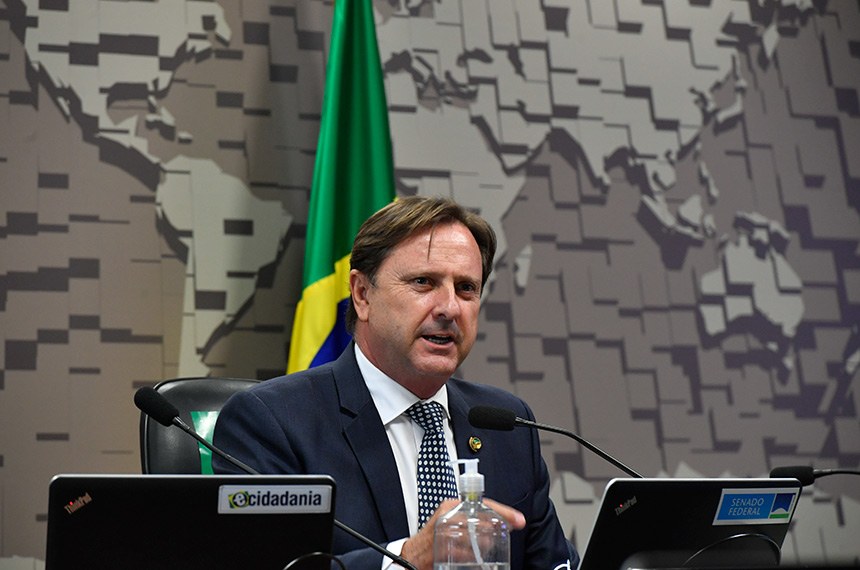
Decision Occurs Due to Clause Considered Strange in Provisional Measure on Fuel Taxation
Next week, the Senate is expected to reject the clause of Provisional Measure 1,118 of 2022, which aims to extend subsidies for renewable energy, included in the document during its passage in the House of Representatives. Thus, the text pits energy consumers against wind and solar energy generators. However, with the prediction that the subsidies would increase to the CDE (Energy Development Account), charged to consumers, a consensus has been reached among senators, who are considering blocking it.
The MP will be on the agenda of the plenary session next Monday, the 26th, and is set to expire the following day, the 27th. If the decision to prevent the extension of subsidies is maintained, there are only three possible paths. In the first, it is necessary to postpone or cancel the session, or remove the text from the agenda before it “expires,” meaning it loses its validity. Thus, the evaluation would not impact the rest of the MP, as its initial aim was to eliminate PIS/Cofins on the importation of fuels, which has been maintained by a PEC already approved by Congress.
Another possibility occurs when the President of the House, Rodrigo Pacheco, accepted one of the three requests for the exclusion of the article on renewable energy subsidies, considering it to be “extraneous matter” to the MP. In this sense, the clause would appear as “unwritten,” and the process would proceed smoothly.
-
Brazil may fall behind, and irreversibly so, in the global technological race involving the implementation of Data Centers and investments in Artificial Intelligence (AI). Much smaller but more agile economies, such as those of Argentina and Paraguay, have taken the lead.

-
Brazil is generating so much clean energy that the ONS had to implement an unprecedented emergency plan to contain the solar and wind surplus in the grid.

-
USA covers canal with 2,556 solar panels and transforms irrigation into a clean power plant in the middle of a drought-stricken region

-
In a historic decision, Aneel regulates the use of batteries in the Brazilian electrical system and lays the groundwork for large-scale energy storage, reducing waste, enhancing energy security, and attracting new billion-dollar projects.


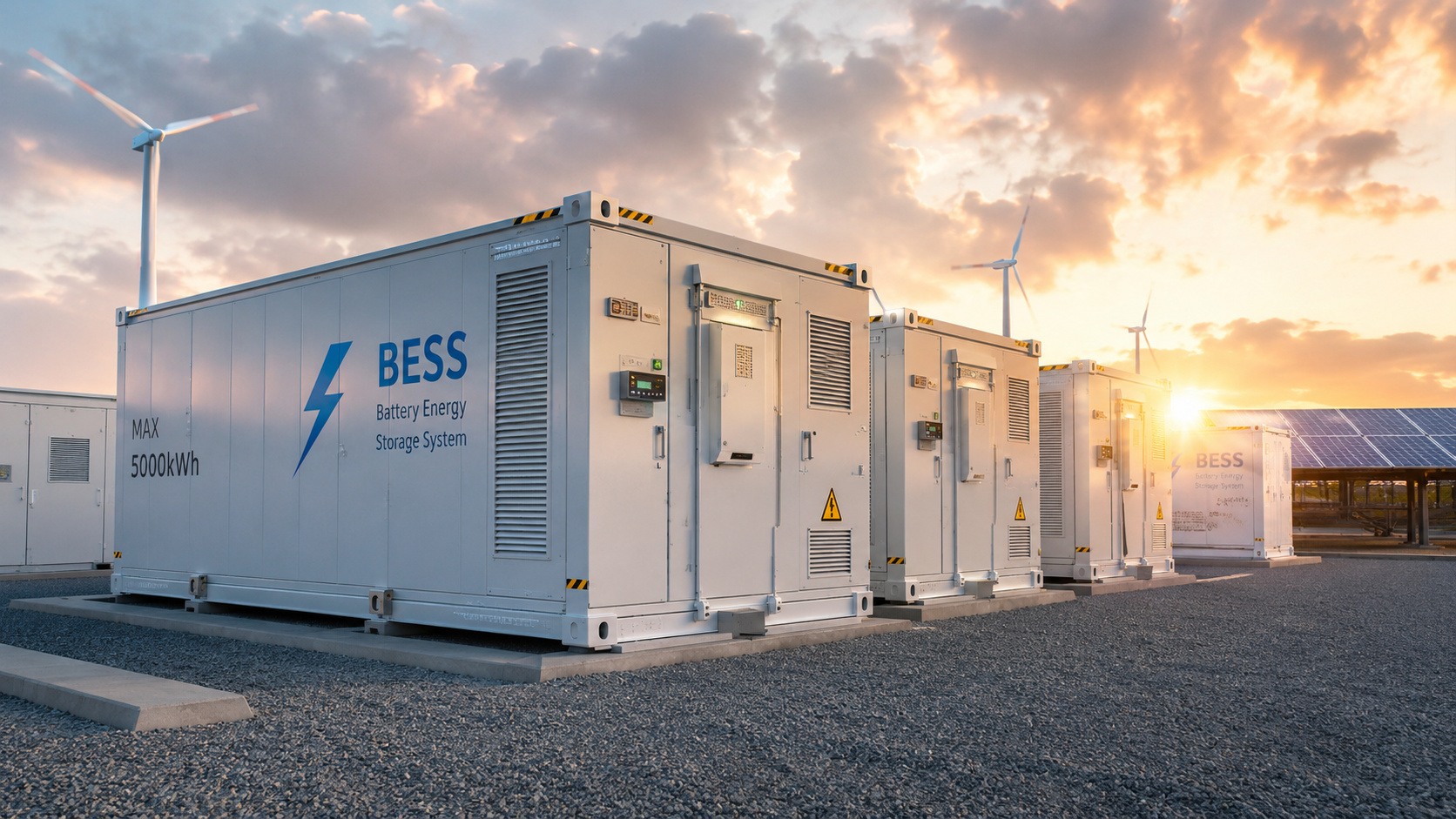
Renewable Energy Subsidies Are on the Agenda in Congress
If none of the possibilities occur, the rapporteur of the project in the Senate, Acir Gurgacz (PDT), will request the removal of the clause that extends subsidies in his report. The article in MP 1,118 that is intended to be rejected would extend for 24 months the deadline for renewable sources to receive discounts of up to 100% on energy transport tariffs. Normally, these discounts are offset by monthly payments made by all consumers in the country to the CDE (Energy Development Account), which also encompasses other taxes and charges in the electricity sector.
One of the forecasts included by the House also includes a change in the guidelines of the locational signal methodology to define energy tariffs. Thus, Congressman Danilo Forte (União Brasil) stated that the signal should take into account the national policy for expanding the electricity matrix, ensuring maximum efficiency and greater environmental benefit. According to the social advisor of the CBIE (Brazilian Center for Infrastructure), Pedro Rodrigues, the locational signal methodology means that the determining factor for building transmission lines should be the location of energy production, thereby favoring production in an area that already has transmission.
Despite the criticisms and the vague tone it presents, the clause aims to benefit wind and solar power producers in the Northeast, who are further away from the major electricity consumer centers located in the Southeast. Thus, it would be possible to encourage the production and consumption of renewable energy in areas far from major urban centers.
.









Be the first to react!