Portuguese
  Spanish


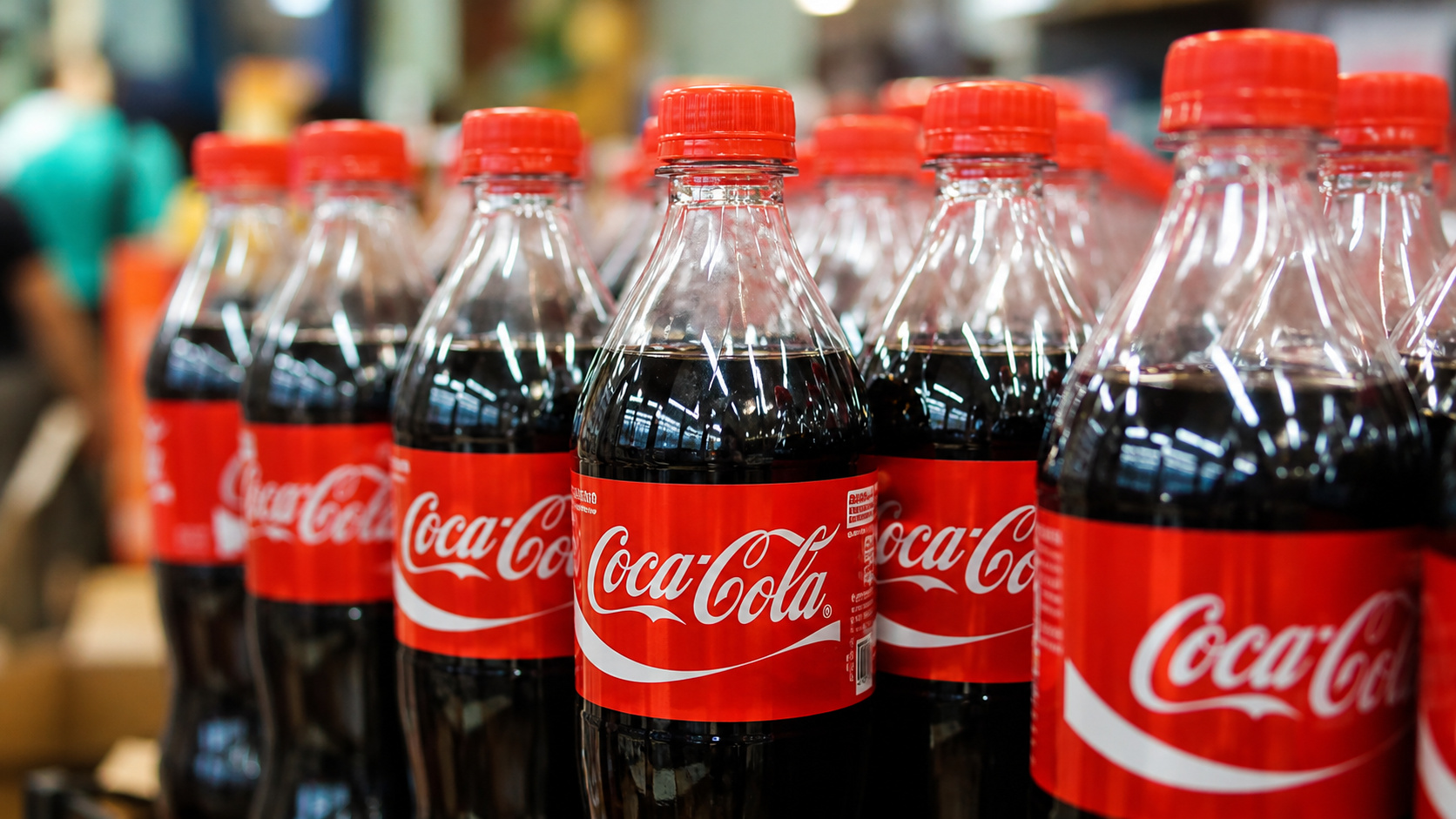

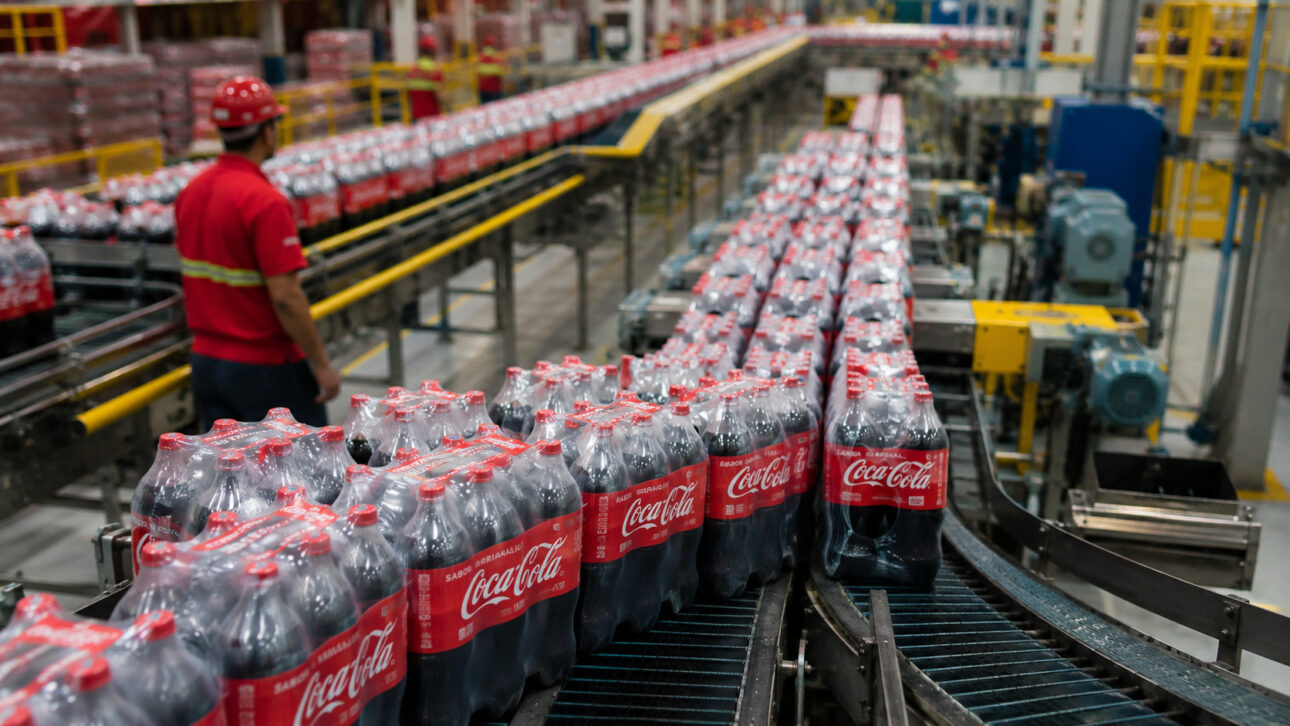
Coca-Cola Femsa put its Brazilian operation in a special gear for the 2026 World Cup, targeting one of the highest beverage consumption periods in the country. The company, considered the largest Coca-Cola bottler in the world by sales volume, operates with 11 factories, 53 distribution centers, and about 500,000 customers served per week. The company’s expectation is to grow up to 20% in initiatives related to the tournament, which will be held in the United States, Mexico, and Canada. This plan shows how the World Cup has become a strategic window to increase sales, strengthen presence at consumption points, and bring the brand closer to the Brazilian public.
Special operation reveals the World Cup’s importance for the company
Coca-Cola Femsa’s preparation began before the World Cup because the company compares the commercial impact of the Cup to the movement recorded at Christmas. The period requires more production, adjusted logistics, and reinforced presence in supermarkets, bars, restaurants, convenience stores, and small businesses. The behavior of Brazilian consumers during the games also influences this strategy, as gatherings with friends, barbecues, and collective broadcasts usually increase the demand for beverages. Therefore, the company expanded planning to avoid product shortages during peak demand moments.
National campaign brings the brand closer to Brazilian fans
The advertising strategy follows global guidelines from The Coca-Cola Company, the brand owner, but was adapted for Brazil. The national version of the campaign film premiered in March 2026 and included cultural elements aimed at the Brazilian audience, including a music segment by Jorge Ben Jor. The partnership with Panini was also strengthened in the country, with more than 70 sticker exchange points and activations in over 20 shopping centers. The company also circulated 117 million promotional labels on PET bottles of Coca-Cola Original and Coca-Cola Zero.
-
Chinese Billionaire Linked to Steve Bannon Sentenced to 30 Years in the US for Over $1 Billion Fraud Scheme Funding Mansions, Yachts, and Race Cars

-
99Food Under Investigation by Brazilian Consumer Protection Agency for Lack of Price Transparency, Faces Potential $2.8 Million Fine
-
Race for data centers in Brazil increases pressure on critical energy

-
Growth without profit has become one of the most costly management mistakes in Brazil.




Collectible packaging enhances the emotional appeal of the World Cup
Coca-Cola Femsa launched over 200 million collectible cans inspired by the Brazilian National Team, reinforcing the connection between soccer, consumption, and emotional memory. Six themed cans hit the market at the end of May, with five dedicated to Brazil’s world titles and one focused on the trophy. The Powerade brand also joined the strategy with two temporary flavors, called Attack and Counterattack. The products arrived at points of sale in April and are expected to remain available until July, following the calendar of increased exposure linked to the World Cup.
Commercial plan targets large chains and small bars
The company’s operation is not focused solely on large retail. Chains like Carrefour, Pão de Açúcar, Zaffari, and Angeloni are part of the strategy, but small establishments also received special attention. Neighborhood bars, local stores, and places that broadcast games to the public are considered relevant for the growth plan. Coca-Cola Femsa will distribute more than 25,000 promotional materials per brand, as well as themed giveaways, cups, and other items used to stimulate sales at the point of consumption.
Marketing and distribution reinforce the brand’s presence on the streets
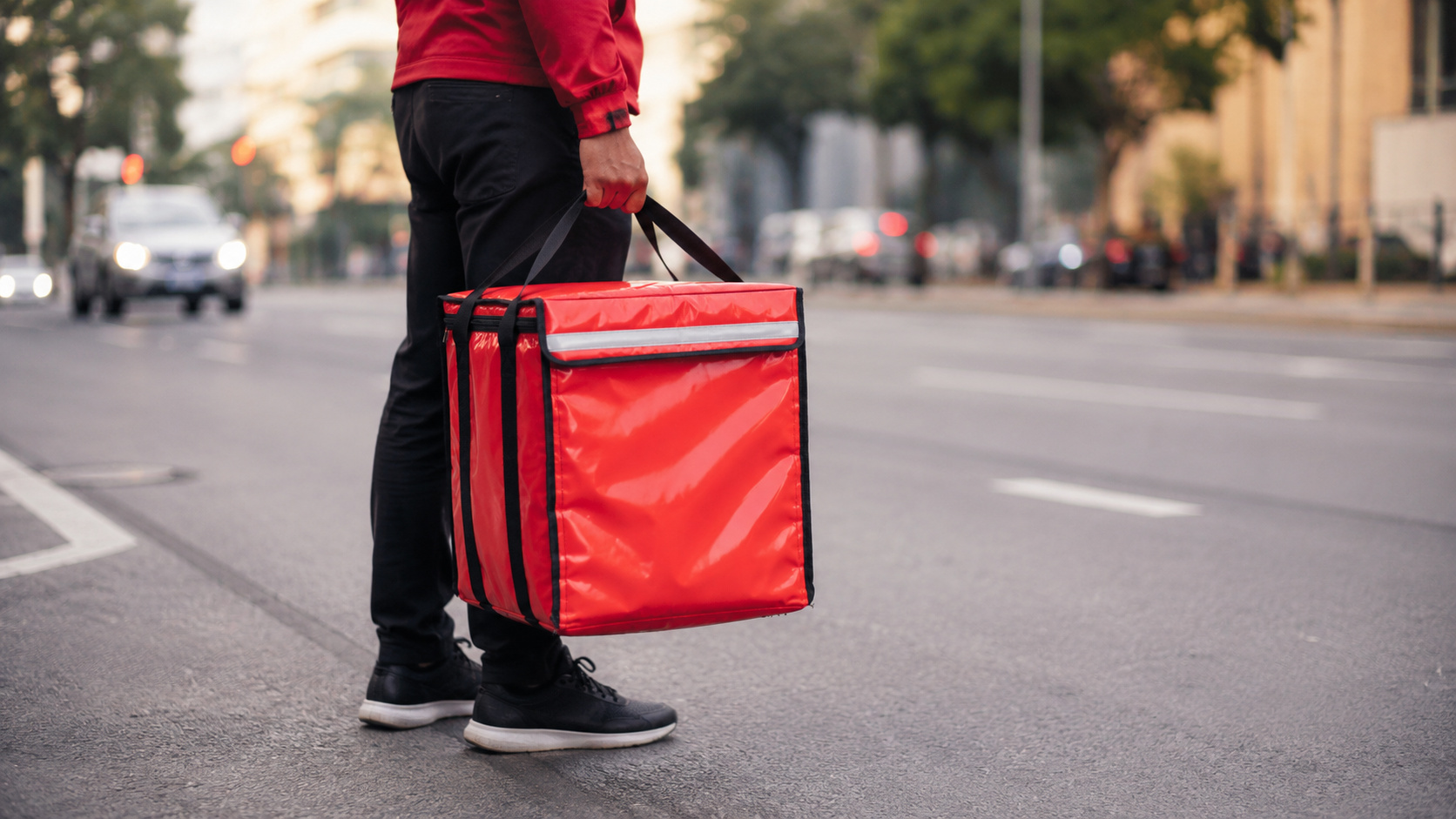
The marketing budget will be larger in 2026, although the values have not been disclosed by the company. Production will also be reinforced, especially in individual packaging, such as cans and bottles, which tend to have higher sales in bars and events. Coca-Cola Femsa will have activations in public broadcasts in seven Brazilian cities and will be present at Casa Cazé, in Parque Villa-Lobos, São Paulo. Partnerships with iFood, 99, and delivery apps complete the plan, expanding the brand’s reach in physical and digital channels.
2026 World Cup becomes a bet to increase consumption in Brazil
The preparation of Coca-Cola Femsa shows how major sporting events continue to be capable of reorganizing commercial strategies, expanding campaigns, and moving distribution chains. The combination of factories, logistics centers, themed packaging, promotions, and presence at points of sale creates an operation focused on immediate consumption. The goal is to turn the enthusiasm of the Brazilian fan into commercial results during the World Cup.
With such a structure, will the 2026 World Cup be able to boost beverage consumption in Brazil as the company expects?