Portuguese
  Spanish


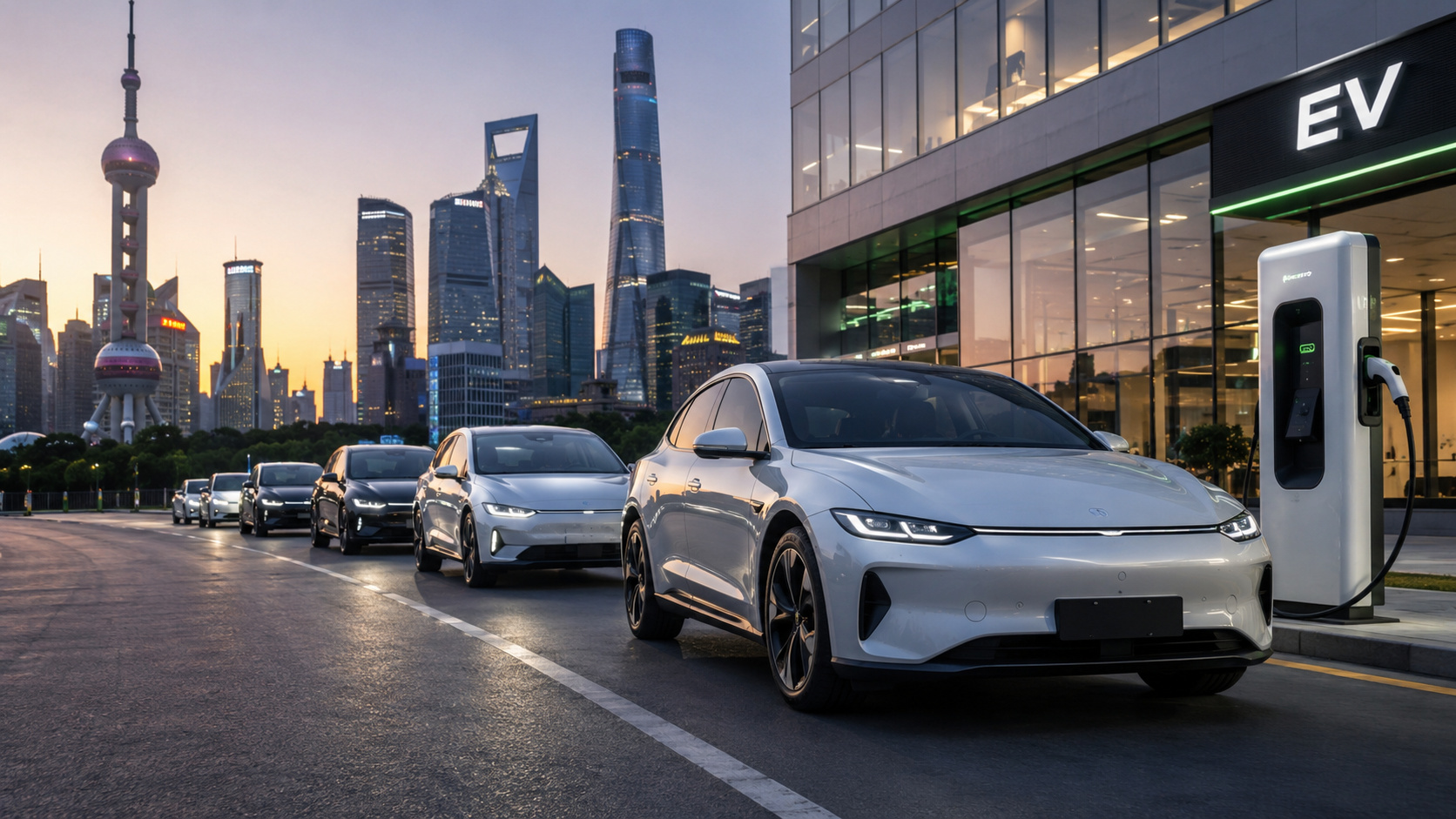

The decline in sales shows a weaker domestic market, while electric and plug-in hybrid cars gain a record share in China
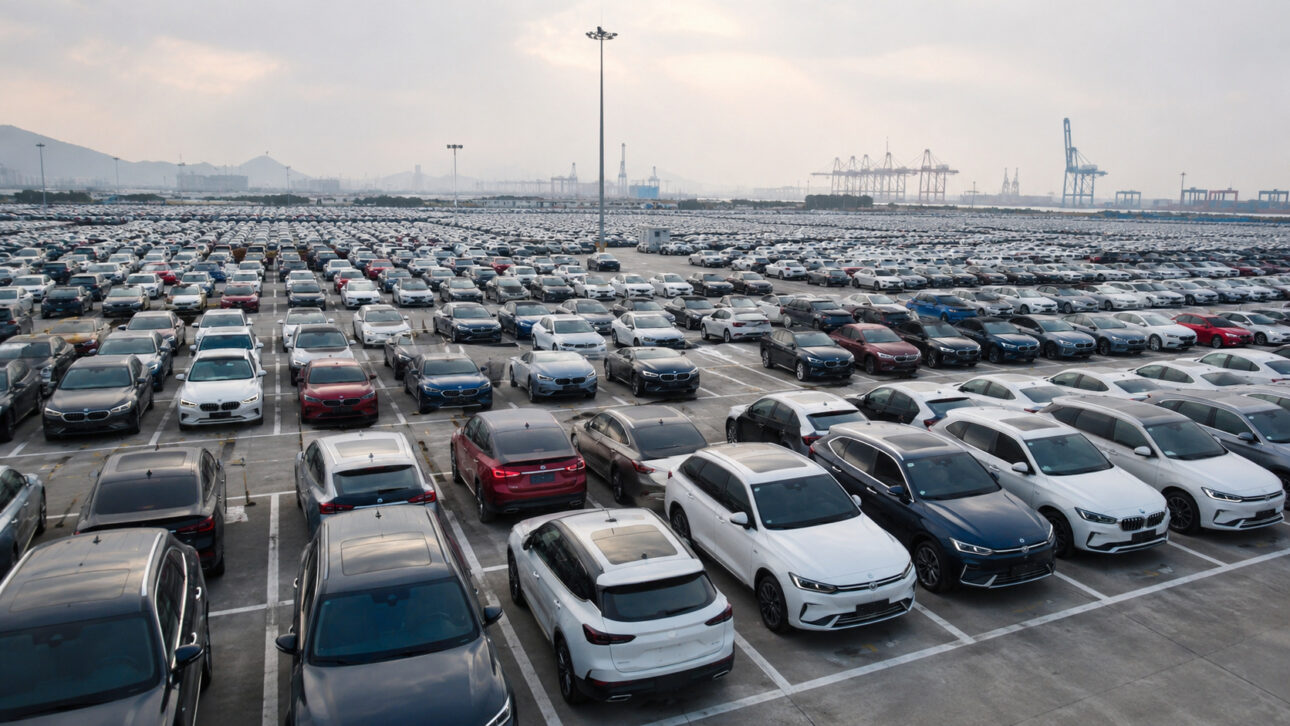
A significant shift in the Chinese automotive market was recorded in May 2026, attracting attention from automakers, investors, and industry analysts. Car sales in China fell again, according to data from the China Passenger Car Association (CPCA), released on June 8, 2026, and reported by Reuters. The country sold 1.53 million vehicles at retail during the month, representing an annual drop of 22.3%. This performance marked the eighth consecutive month of decline and reinforced the scenario of weaker consumption in the world’s largest automotive market. Nevertheless, electric and plug-in hybrid cars reached a record share, surpassing 60% of total sales and highlighting a profound transformation in the industry.
Decline in sales exposes fragility of the domestic market
The decline recorded in May reflects the slowdown in domestic demand and increases the pressure on manufacturers that rely on the Chinese market. The CPCA reported that the demand for gasoline-powered vehicles lost strength more intensely, while consumers began to show greater caution in purchasing decisions. Additionally, strong competition among automakers heightened the battle for prices, technology, and market share. This environment made the sector’s performance more challenging and reduced the reaction margin of traditional companies. The result also showed that the market’s weakness is not limited to a single month, as the decline has already extended for eight consecutive months.
Record share of electric and hybrids redefines the sector
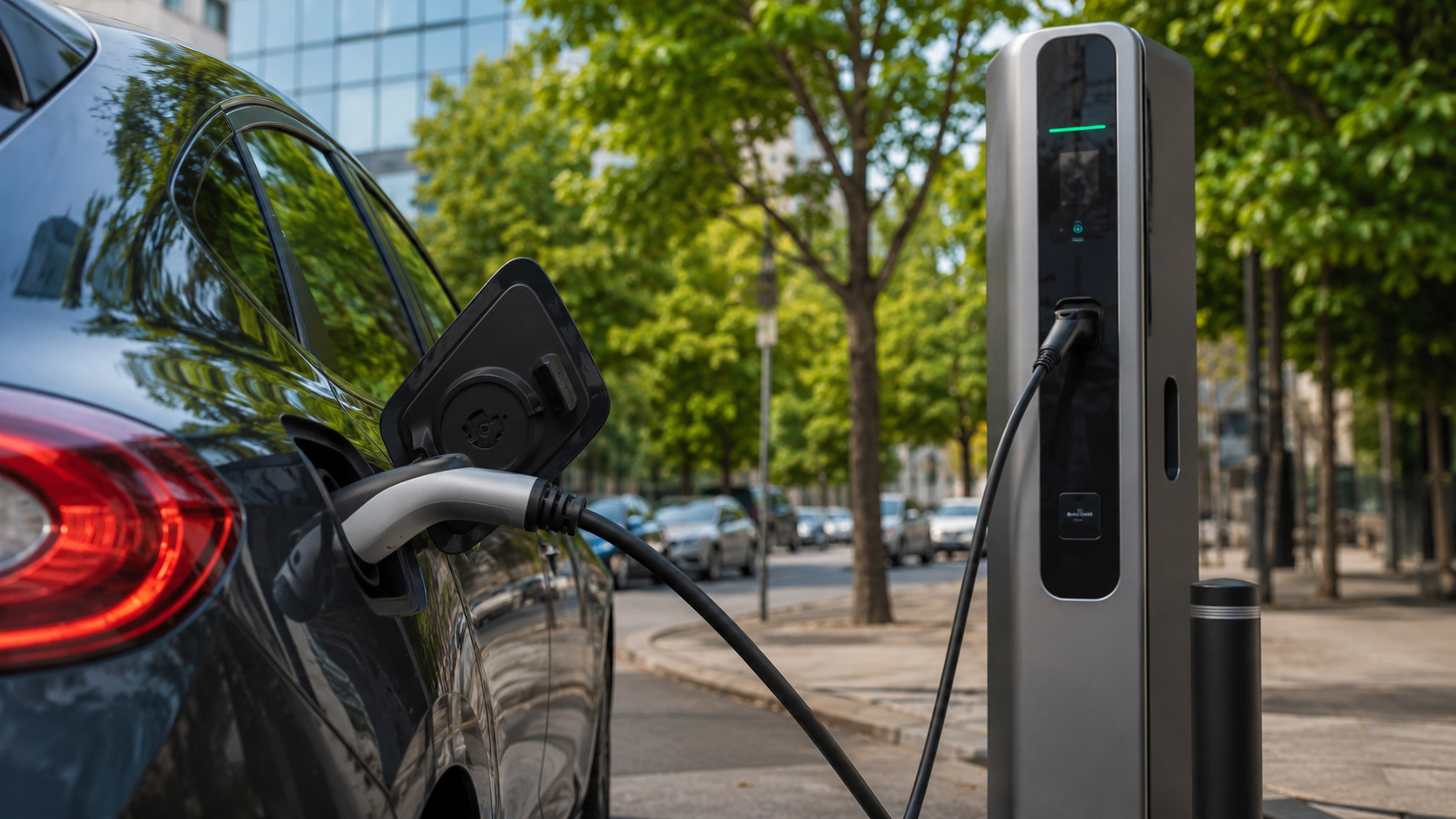
New energy vehicles gained ground even in a pressured total market. Electric and plug-in hybrid cars exceeded 60% of retail sales, according to data released by the CPCA. This advance confirmed a structural change in the behavior of Chinese consumers, who began to prioritize electrified models at an accelerated pace. The expansion also reinforced the strength of local automakers, who invest in batteries, autonomy, connectivity, and competitive prices. Despite the overall decline in sales, electrified models maintained prominence and expanded their advantage over combustion-only vehicles.
-
Electric and Hybrid Cars Set to Transform Brazilian Streets: A New Era Begins

-
Chinese Giant Invests $1.3 Billion in Brazil to Produce 50,000 Cars Annually, Create Jobs, Develop Local Suppliers, and Manufacture Electric, Hybrid, and Combustion Models by 2027

-
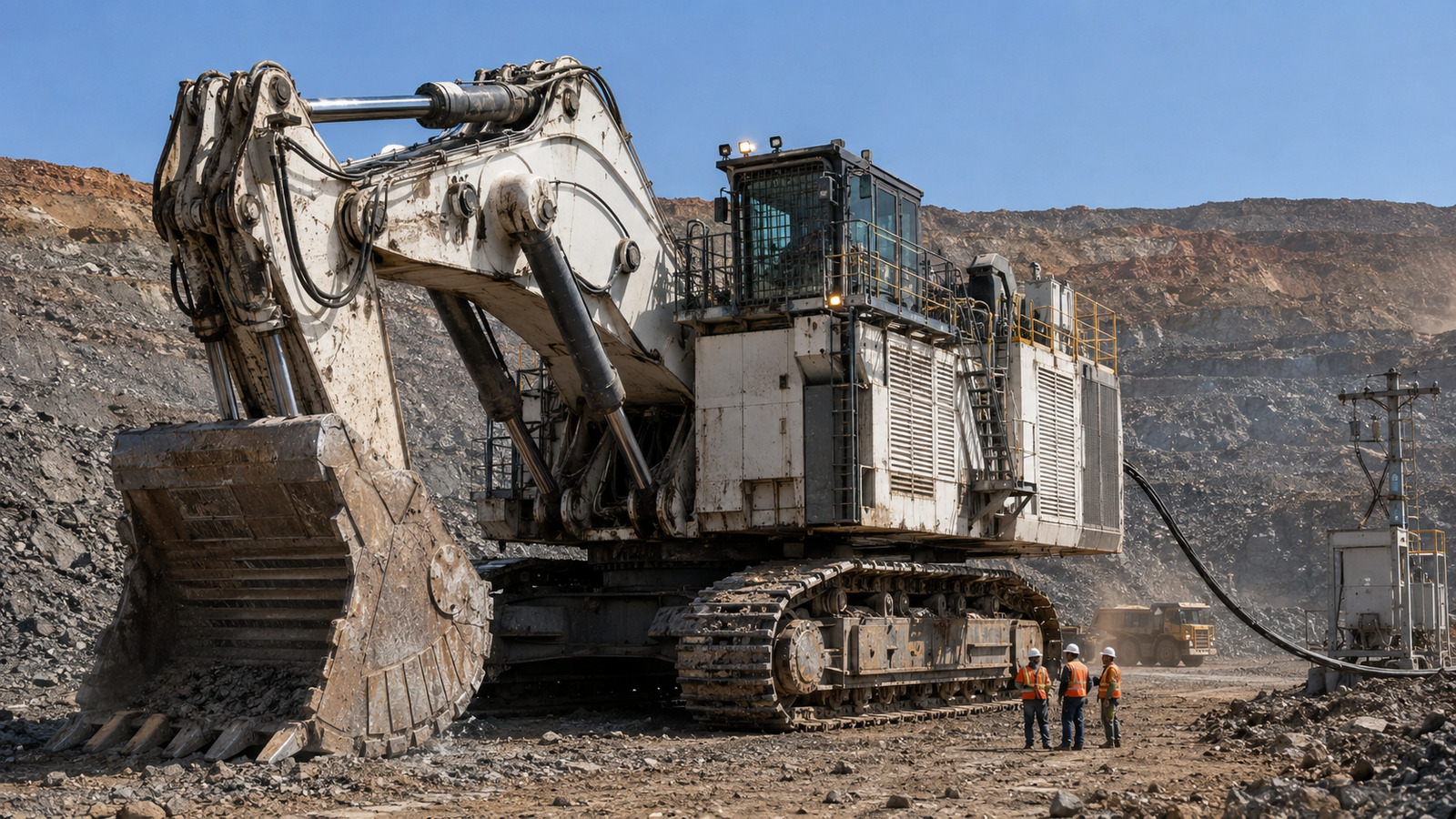
Unprecedented achievement in India: a colossal 650-ton, nearly 3,000 hp excavator is transformed into 100% electric, marking a new phase in heavy mining.
-
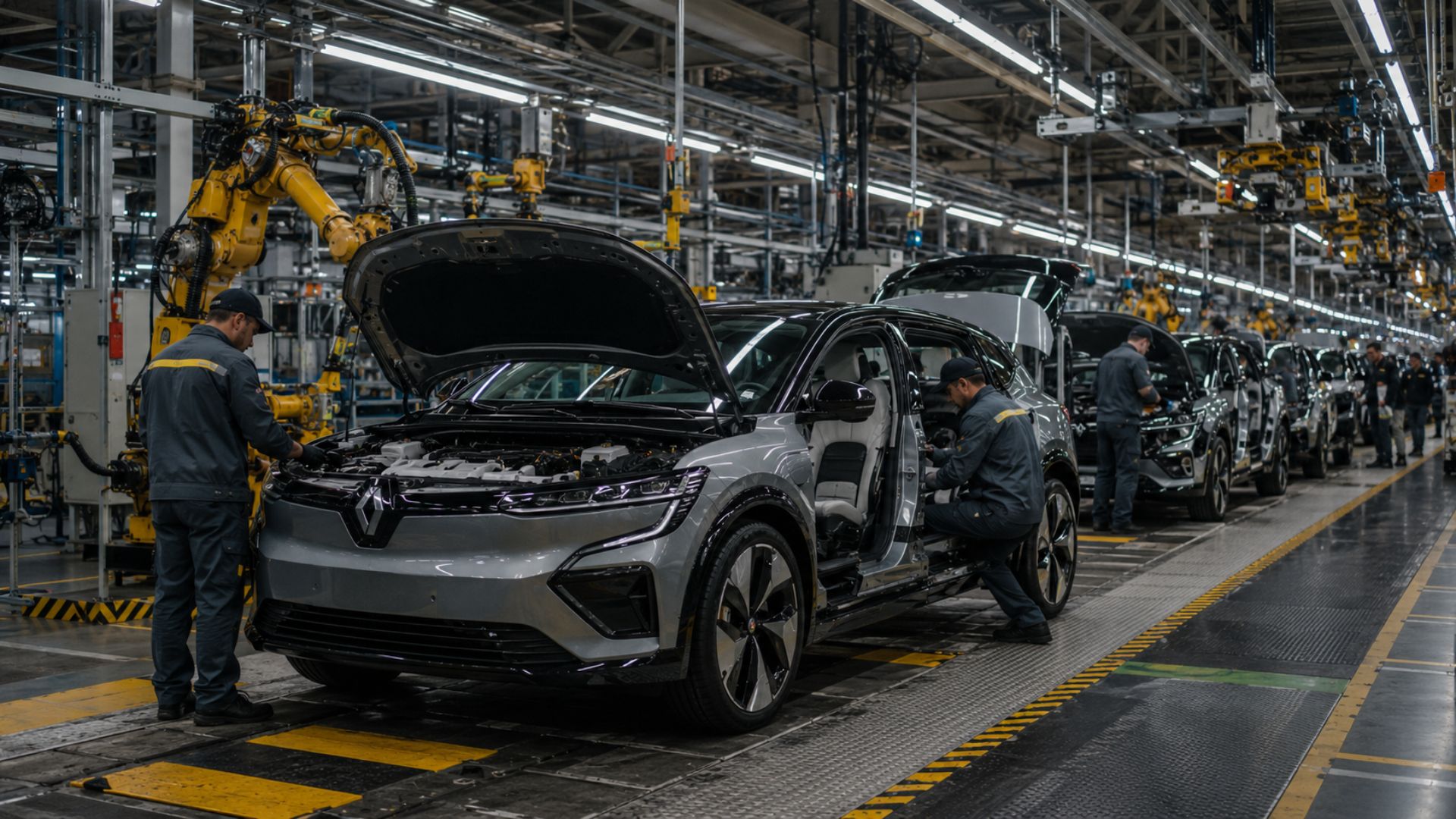
Frightened by the speed of Chinese manufacturers, Renault decided to mimic the pace, made the new electric Twingo in just 21 months, wants to repeat the feat with 36 models by 2030, and along the way, will cut up to 2,400 engineering positions.

Technical review increases concern about 2026
The CPCA revised its projections for the Chinese automotive market after May’s data. The entity previously expected an annual decline of 1%, but now estimates an 11% drop in sales for 2026. This change indicated a stronger deterioration than initially expected and increased concern about the pace of recovery in domestic demand. Automakers are monitoring this scenario cautiously, as China remains a decisive market for global manufacturers and local companies. The new calculation also reinforces that electrification is advancing, but it still does not eliminate the impact of the slowdown on the total sales volume.
Exports gain strength amid the slowdown
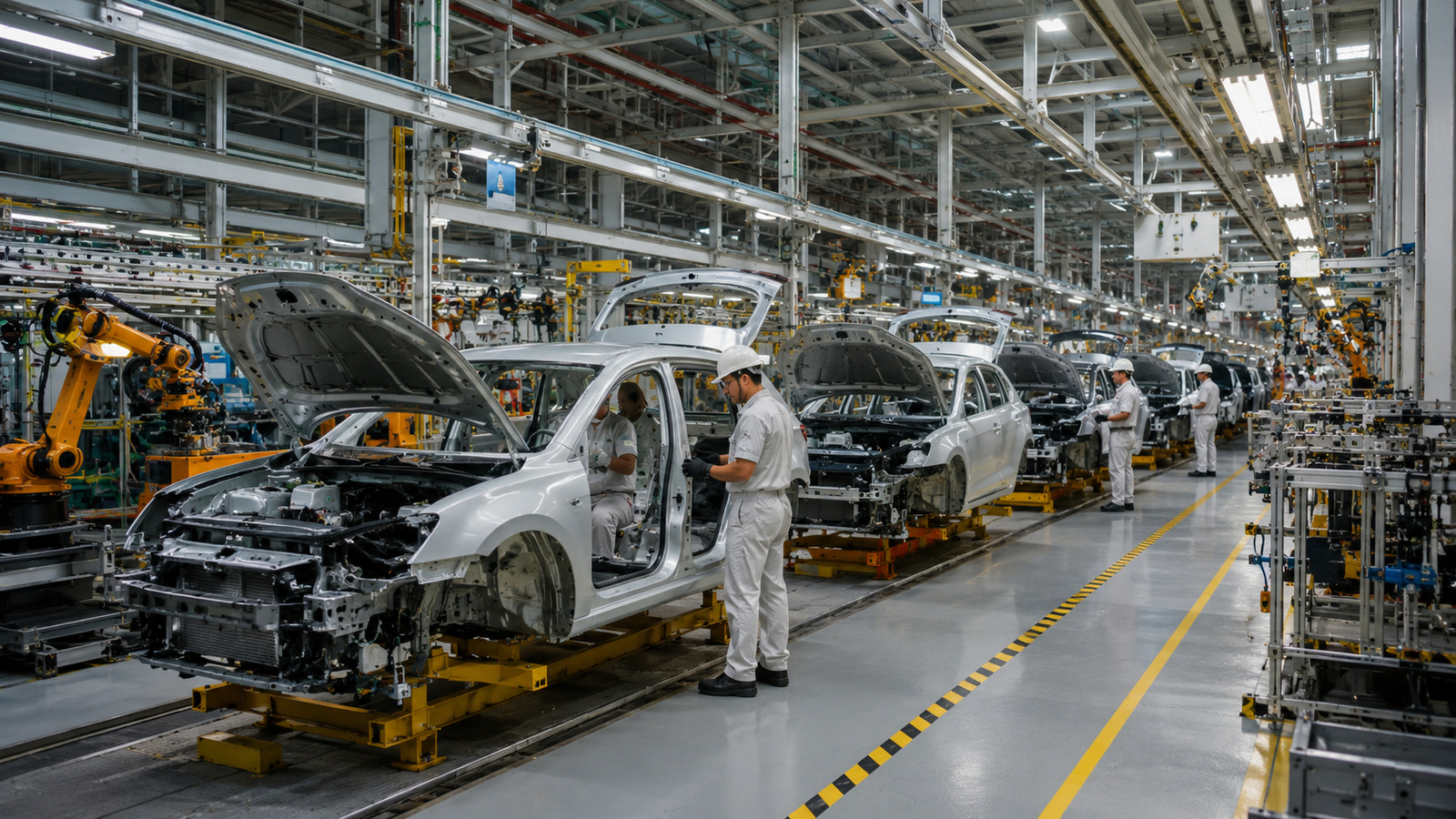
Chinese manufacturers have expanded their search for international markets to compensate for weak domestic sales. Exports of new energy vehicles have gained strategic importance and have become more relevant in automakers’ plans. This movement strengthens China’s global presence in the automotive sector and increases competition in different regions. Foreign companies are also trying to accelerate their adaptation within the country, especially through partnerships and local production. Volkswagen, for example, is betting on electrification and agreements with Chinese companies to maintain its market position.
The Chinese automotive market in a broader context
The decline in sales shows that the Chinese industry is facing a difficult cycle, but the record participation of electric vehicles reveals a long-term change. The combustion market is losing ground rapidly, while electrified models are at the center of the industrial strategy. This behavior reinforces China’s leadership in the transition to new energy technologies and influences manufacturers’ decisions on a global scale. Pressure on prices, innovation, and exports is also likely to grow, as the competition for consumers has become more intense both inside and outside China.

The future of electric and hybrid cars in China
Analysts, automakers, and investors observe that China continues to be the main barometer of global automotive electrification. The decline in total sales creates uncertainties, but the share of over 60% of electric and plug-in hybrids shows that the technological shift has already reached a decisive point. The sector still needs to deal with weak demand, high competition, and negative revisions of projections. Even so, the ongoing transformation indicates that electrified vehicles should remain at the center of the new phase of the Chinese automotive industry.
Do you believe that electric and hybrid cars will be able to sustain the growth of the Chinese industry even with the automotive market in decline?