






 Portuguese
  Spanish
  4 min of reading
  0 comments


Located in the Mantiqueira Mountains, Campos do Jordão combines record altitude, mountain climate, and architecture inspired by European villages, consolidating itself as one of the main winter tourist destinations in Brazil.
Campos do Jordão, located in the interior of São Paulo, is recognized as the highest city in the country, situated at 1,628 meters above sea level.
The municipality is known for its mountain climate, architecture inspired by European villages, and regional cuisine that uses typical ingredients from the Mantiqueira Mountains.
These factors, according to tourism experts, explain the nickname “Brazilian Switzerland”, used since the mid-20th century.
-
The War of Jenkins’ Ear: How a Severed Ear Sparked One of the 18th Century’s Most Unusual Conflicts

-
The True Story of Beavers Parachuted into Idaho: A Post-WWII Mission Using Planes and Special Crates to Relocate 76 Animals to a Remote U.S. Region
-
Trailblazing Brazilian Mother of Three Becomes First Woman to Drive BYD Electric Truck, Inspiring Her Daughter to Follow Suit

-
6-Year-Old Boy Finds 1,000-Year-Old Viking Sword During School Activity in Norway


Climate and Location in the Mantiqueira Mountains
Installed in the Mantiqueira Mountains, the city has mild temperatures for much of the year, with records of frosts and thermometers close to zero in winter.
The climate is influenced by the altitude and mountain vegetation, making it one of the coldest regions in the state.
According to meteorological data from the National Institute of Meteorology (Inmet), Campos do Jordão has an annual average of around 14 °C, which favors tourism in both summer, for those seeking lower temperatures, and winter, the peak season.
The main access is via the Floriano Rodrigues Pinheiro Highway (SP-123).
Architecture and Tourist Center
Alpine architecture is one of the main visual elements of the city.
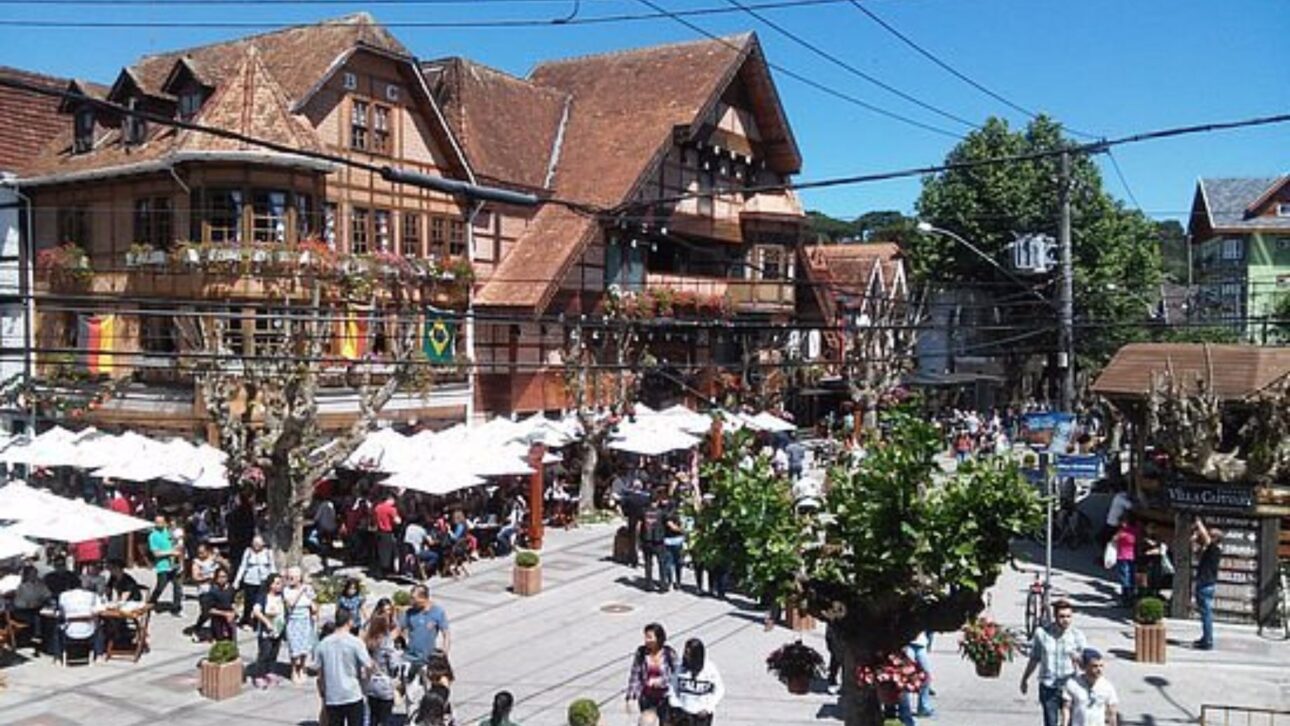
The buildings and chalets feature sloping roofs and wooden facades, following the European style that began to spread in the 1940s.
The Vila Capivari concentrates hotels, restaurants, and shops, along with receiving most of the visitors during high season.
According to the local tourism sector, the neighborhood accounts for a significant part of the economic activity in winter when the municipality sees its peak in lodging and cultural events.
Regional Cuisine and European Influences
The cuisine of Campos do Jordão combines foreign references with products from the Mantiqueira Mountains.
Restaurants serve fondue, trout, and dishes made with pinhão, a seed from the araucaria present in the region’s forests.
According to the local Tourism Department, the Trout Festival and other culinary programs take place between autumn and winter, attracting visitors interested in regional culinary experiences.
Wines and cheeses produced on small rural properties complement the offerings.
Trails, Araucarias, and Ecotourism
Campos do Jordão is also one of the main ecotourism destinations in the Mantiqueira Mountains.
The mountainous terrain and preservation areas allow for activities such as hiking, cycling, and wildlife observation.
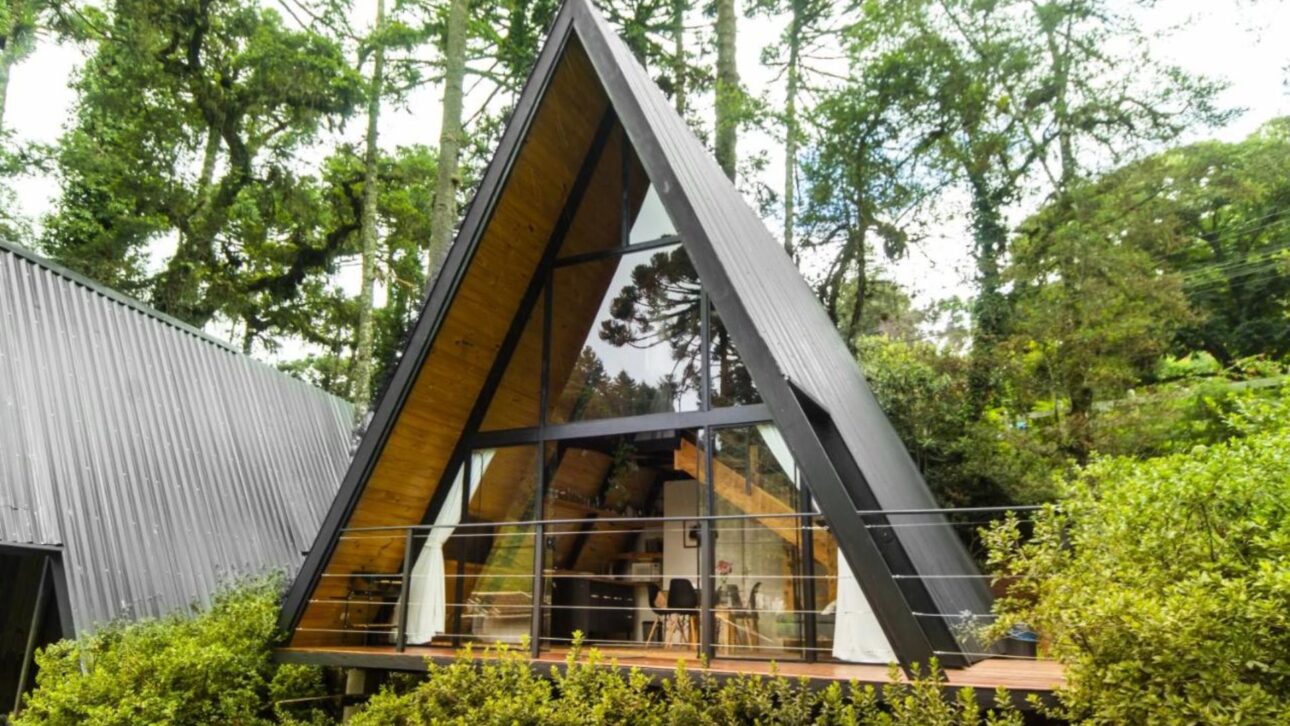
The municipality houses remnants of araucaria forest (Araucaria angustifolia), a species native to the southern region and parts of the Southeast.
According to the São Paulo Forestry Institute, the local vegetation is classified as Mixed Ombrophilous Forest and plays an important role in the conservation of the biodiversity of the mountains.
Tourist Infrastructure and Local Economy
With about 50,000 inhabitants, according to IBGE estimates, Campos do Jordão maintains a structure focused on tourism year-round.
The hotel network includes inns, chalets, and high-end hotels.
Data from the city hall indicates that the services sector accounts for over 70% of the municipal economy.
During winter, the holiday season boosts the occupancy of lodgings and commerce.
The Carnival Festival of Campos do Jordão, one of the oldest classical music events in the country, is considered one of the main cultural attractions in the São Paulo calendar.
The Nickname of “Brazilian Switzerland”
The nickname arose from the similarity between the mountain landscape and the European alpine towns.
According to historical records and tourist promotional materials, the term began to be officially used in the 1940s and 1950s when the city began to invest in mountain tourism and adopt European architectural style.
The combination of altitude, cold climate, and foreign cultural references solidified the “Brazilian Switzerland” brand, which remains today as a tourist identity element.
When to Visit Campos do Jordão
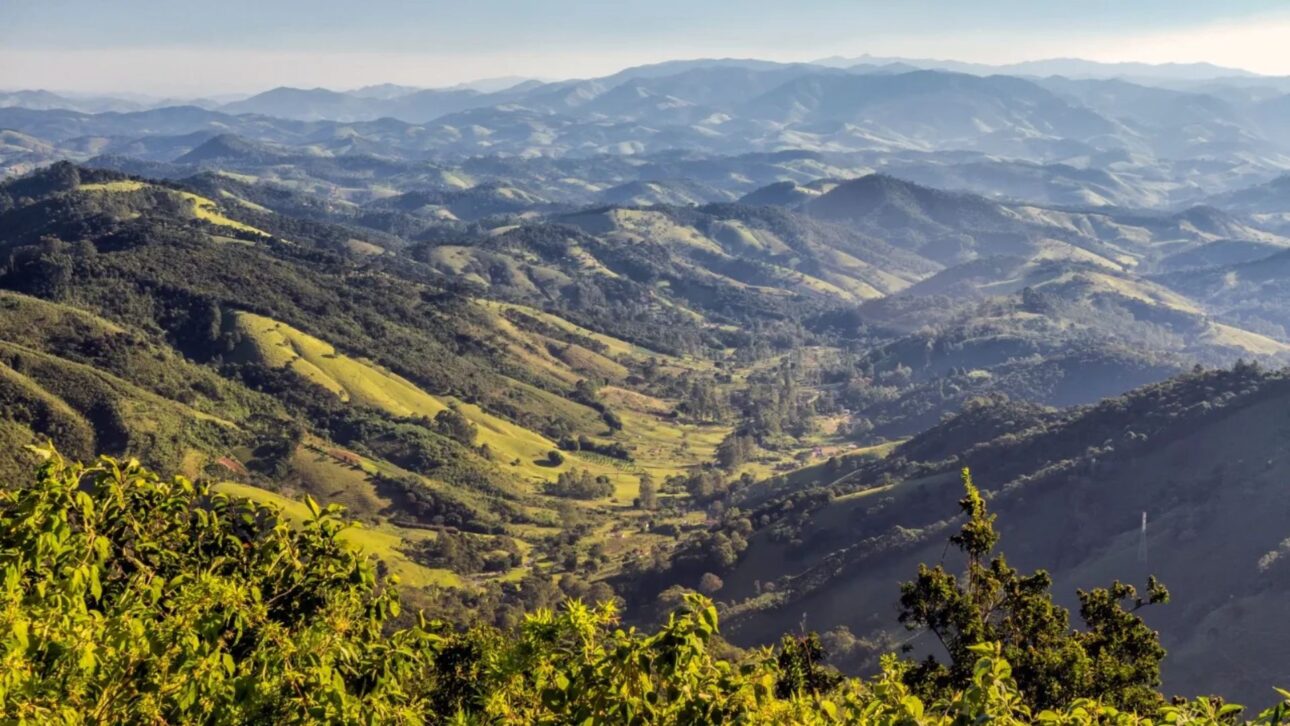
According to the hotel sector, the high season occurs between June and August, with low temperatures and a greater offer of cultural events.
Between December and March, the movement shifts to nature tourism, with trails, parks, and viewpoints open for visitation.
The Campos do Jordão State Park (Forest Horto) is one of the main points of visit, with over 8,000 hectares of protected area and infrastructure for hiking and environmental observation.
Identity and Environmental Preservation
Researchers highlight that the combination of natural heritage and cultural references makes Campos do Jordão a singular case in the Mantiqueira Mountains.
The maintenance of araucaria forests and the encouragement of sustainable practices are considered fundamental for balancing tourism and environmental conservation.
Environmental specialists point out that the proper management of green areas and the control of urban expansion are challenges for preserving the environmental quality of the municipality in the coming years.
Campos do Jordão therefore maintains characteristics that justify its fame as the “Brazilian Switzerland”: high altitude, mountain landscape, mountain climate, and tourism-focused infrastructure.





Be the first to react!