






 Portuguese
  Spanish
  3 min of reading
  0 comments


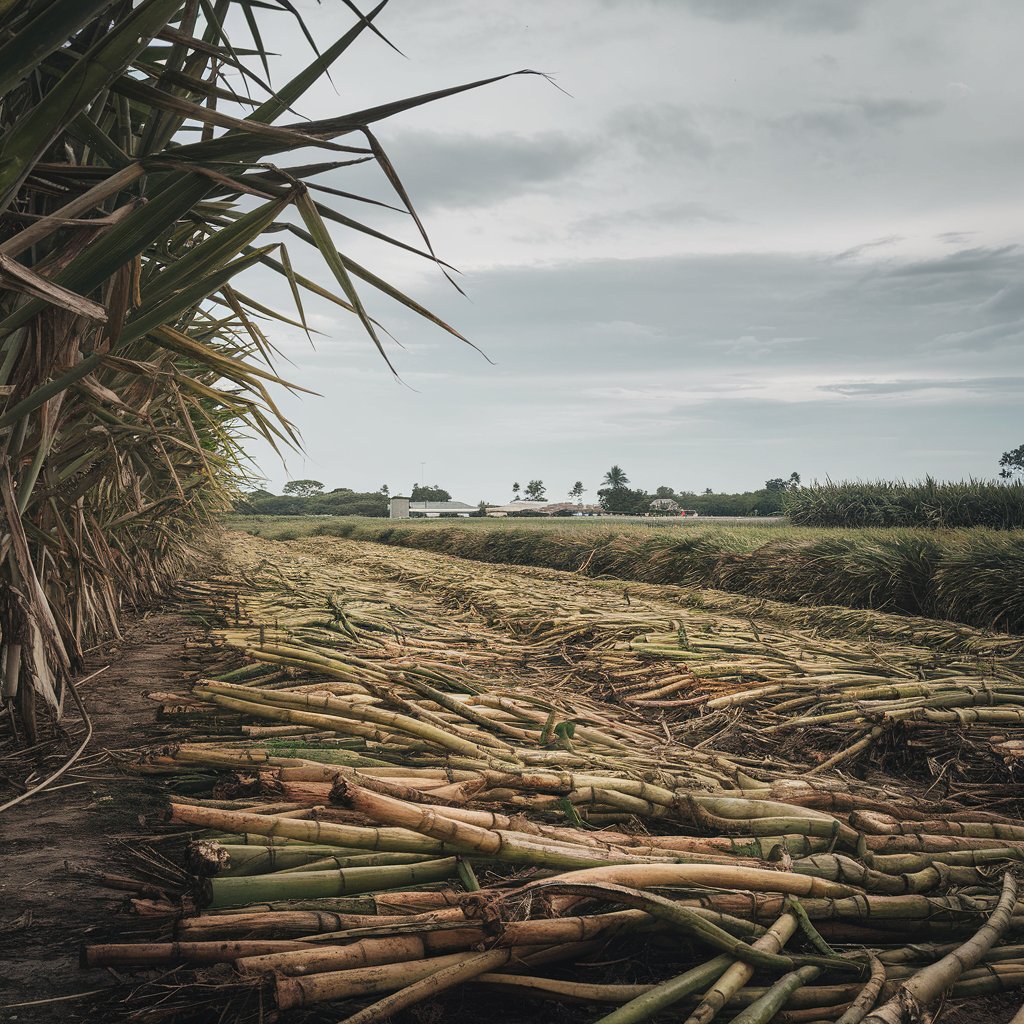
New Technology Promises to Increase Sugarcane Productivity and Double Ethanol Production. Is This the Revolution the Biofuels Sector Needed? Discover the Challenges, Benefits, and Impact of This Innovation on the Energy Market.
What Makes Super Cane Different from Traditional Cane?
The super cane from Eike Batista emerges as a revolutionary solution for the ethanol sector in Brazil. Its productivity surpasses that of traditional sugarcane, sparking the interest of experts and investors.
But can this innovation really transform the biofuels market?
The development of super cane began over 20 years ago, aiming to increase efficiency in the production of ethanol and biomass.
-
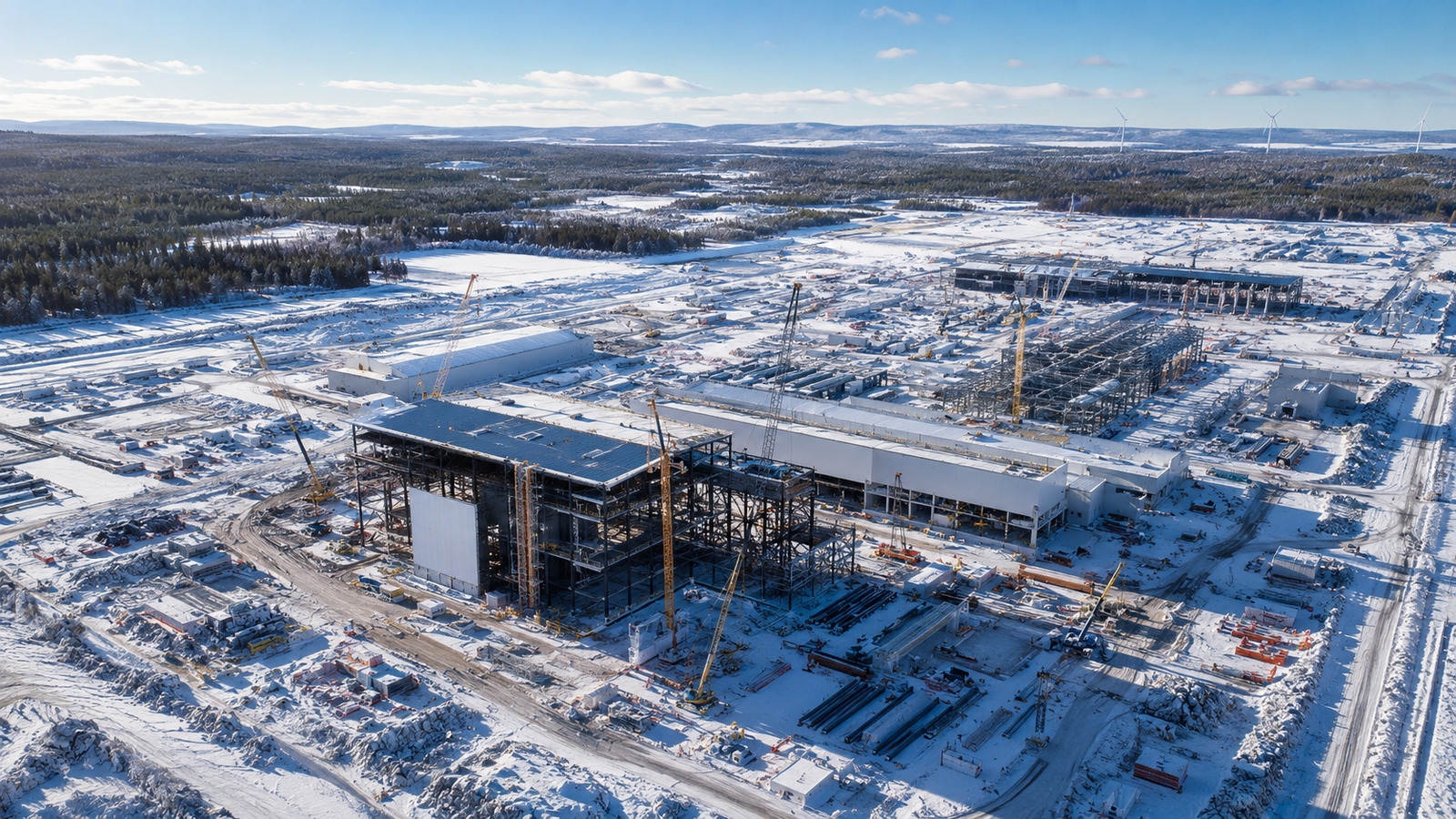
US$ 7 billion, green hydrogen, and steel with up to 95% less CO₂: the first green steel plant on the planet emerges in Sweden and targets Brazil as the next chapter

-
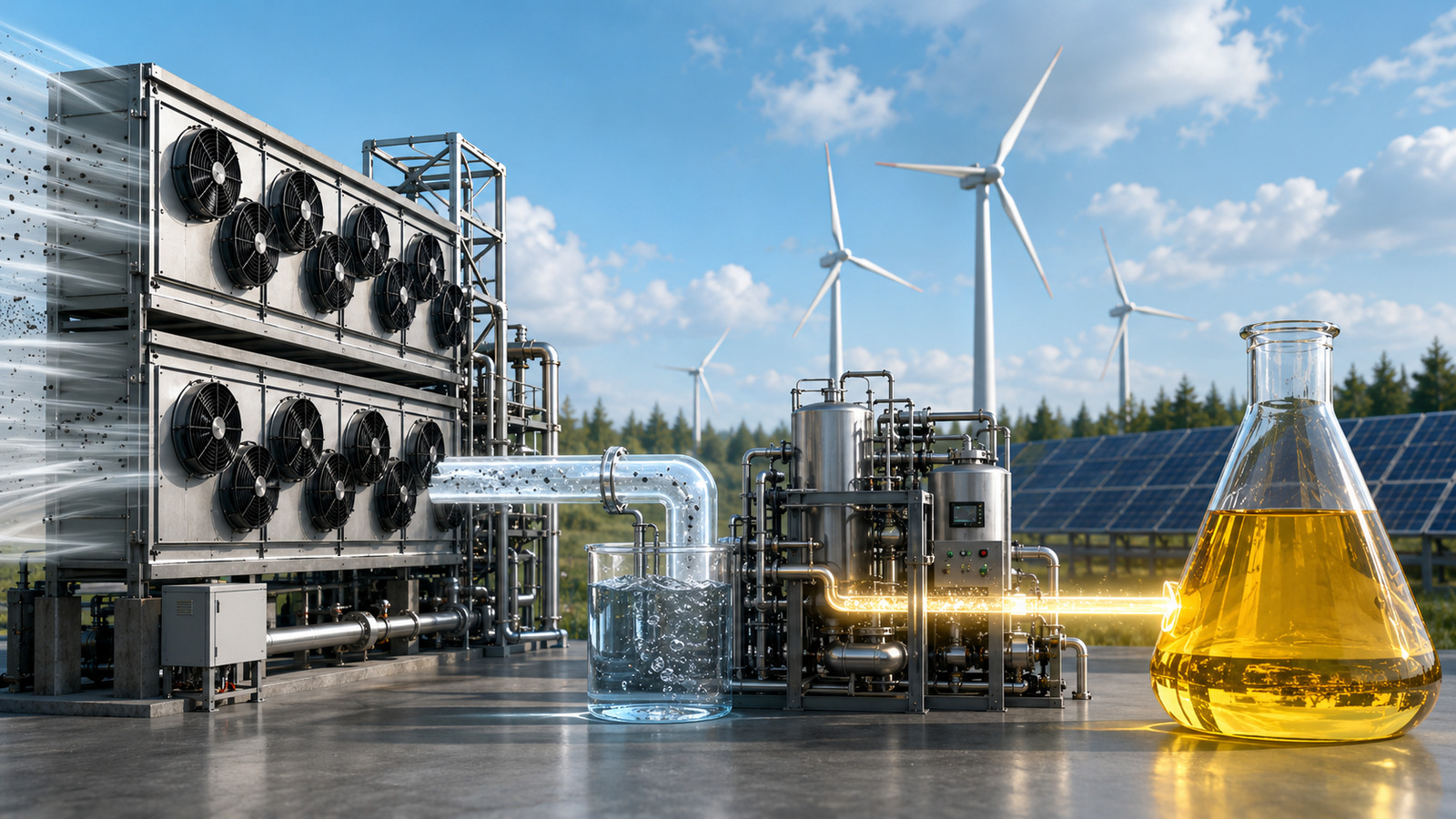
Swedes manage to create synthetic fuel with CO₂, water, and renewable energy, compatible with current engines, but face a huge problem: the energy expenditure is still double the return.
-
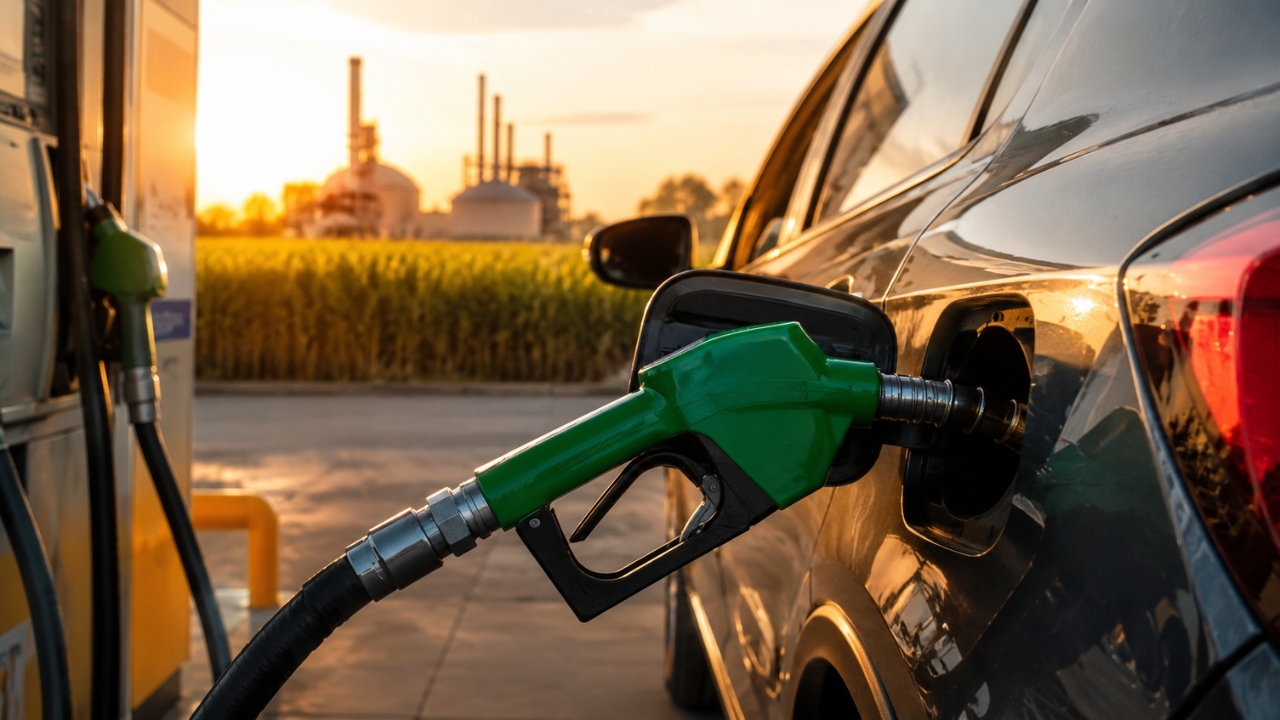
Brazil begins to transform wheat, residues, sweet potatoes, and soy molasses into ethanol, in a new phase of biofuels that seeks to utilize leftovers from the field and industry to fuel flex-fuel cars.

-
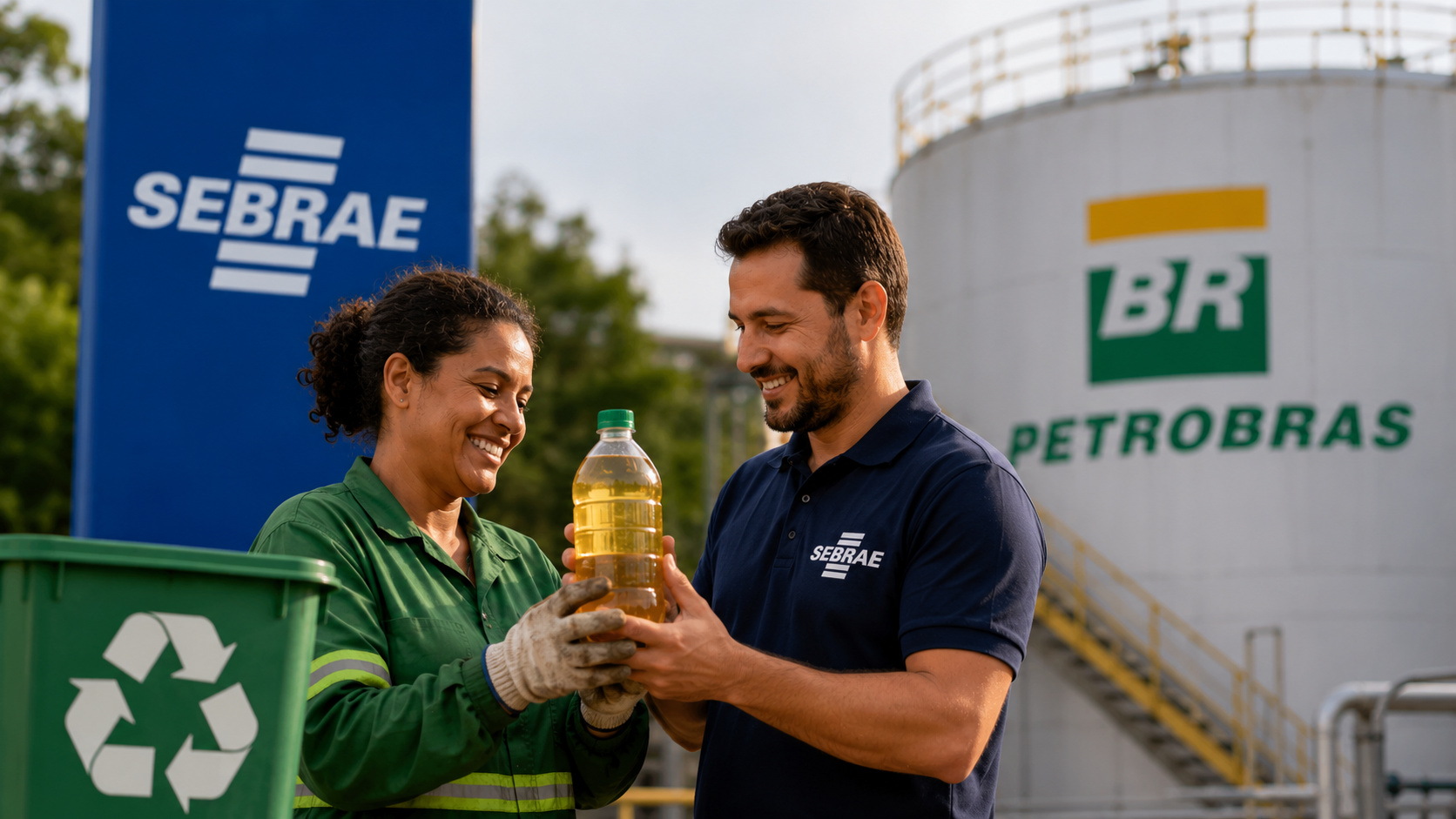
Sebrae and Petrobras join forces in Ceará to include waste pickers in the circular economy and strengthen the biofuel chain, creating new income opportunities and expanding the sustainable use of waste with a direct impact on regional development.

According to the website Compre Rural, this variety can generate up to three times more ethanol per hectare and 10 to 12 times more biomass compared to conventional varieties.
If this technology reaches its maximum potential, national ethanol production could more than double. This way, Brazil would further consolidate its leadership in the global biofuels market.
Moreover, its high productivity would reduce the need to expand planted areas. As a result, it would be possible to preserve important biomes, such as the Cerrado and the Amazon.


The Impact of Super Cane on Ethanol Production in Brazil
Currently, according to the consulting firm StoneX, the 2024/2025 harvest is expected to generate about 37.4 billion liters of ethanol.
Of this total, 8.33 billion liters come from corn ethanol, while the remainder originates from sugarcane.
If producers were to replace all conventional cane with super cane, production could reach 74.8 billion to 112.2 billion liters per year.
Thus, Brazil would establish itself as a global reference in the production of renewable biofuels.
In addition to ethanol, super cane would also generate more biomass, which would boost the production of clean electric energy, making the sector even more sustainable.
However, for this technology to truly become viable, the sector needs to invest heavily in infrastructure, industrial adaptation, and producer acceptance.
Can Super Cane Replace Second Generation Ethanol?
Despite its enormous potential, super cane faces competition in the sector. Companies like Cosan (CSAN3) have analyzed this technology but decided to invest in second generation ethanol (E2G).
The CEO of Cosan, Rubens Ometto, explained that the company saw more viability in E2G because this alternative utilizes residues from sugarcane to generate fuel without requiring changes in planting.
While super cane demands a new agricultural approach, E2G enhances production efficiency without significant industrial adaptations.
Thus, many companies consider E2G a more viable option.
In light of this scenario, the market wonders: which of the two innovations will better meet the growing demand for clean energy in Brazil?
Challenges for the Adoption of Super Cane in the Energy Sector
Super cane presents enormous potential.
However, for this innovation to be widely adopted, several challenges need to be overcome:
- Investments in Large-Scale Production
- Industry Adaptation to Process the New Variety
- Acceptance from the Sugar-Ethanol Sector
- Environmental Impact and Sustainability Assessment
On the other hand, Brazil is already betting on second generation ethanol, which uses residues from sugarcane to increase production efficiency without expanding planted areas.
Thus, the decision to invest in super cane or E2G will depend on economic, political, and environmental factors in the coming years.







-

1 person reacted to this.