Portuguese
  Spanish


The Restructuring of Food Retail Gains Strength with Significant Closures and Mass Layoffs as Chains Seek Innovation and Digitalization to Overcome Challenges.
The global economic crisis has pressured various sectors and, according to experts, food retail is one of the most impacted at this moment.
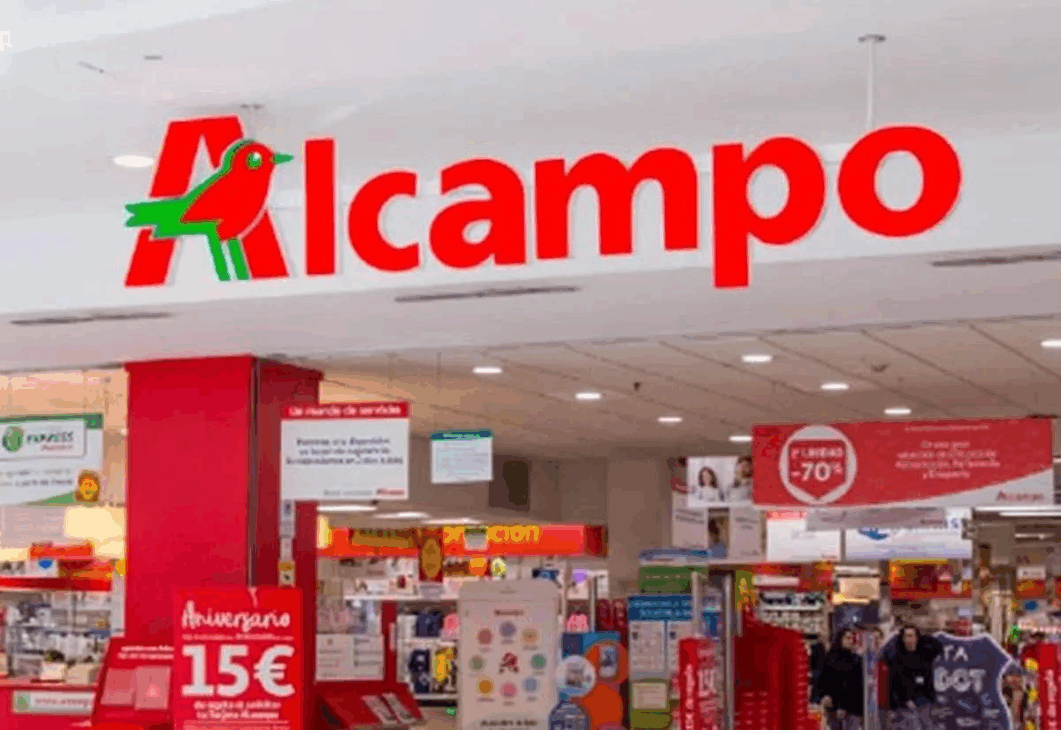
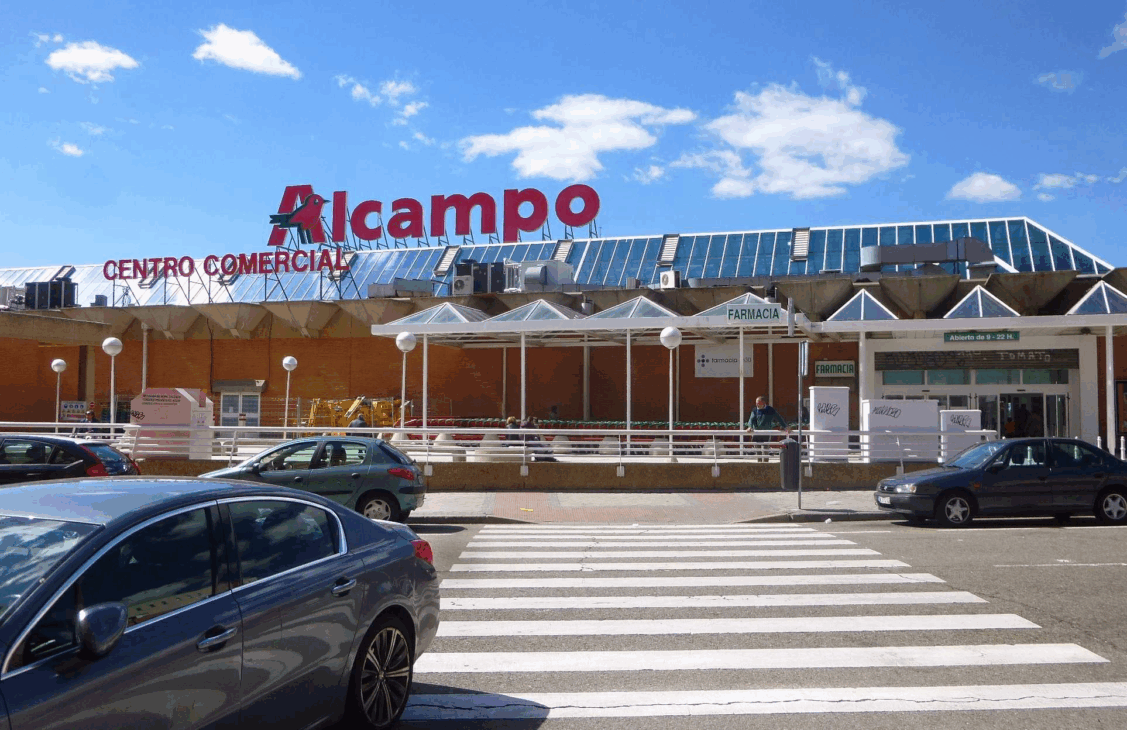
According to recent announcements, the Spanish chain Alcampo, which belongs to the French group Auchan, has decided to close 25 stores and lay off about 710 employees, which represents approximately 3% of its workforce in Spain.
This measure is part of a broad restructuring process to face changing consumption habits and economic instability.
-
Brazil’s Imigrantes Highway Celebrates 50 Years with Plans for Major Expansion, Including a 6 km Tunnel and Third Lane to Ease Traffic to São Paulo’s Coast

-
Brazilian Job Market Surprises: Unemployment Falls to 5.6%, Hits Record Low for May, Brazilian Incomes Rise, and Underemployment Reaches Lowest Level Ever Recorded by IBGE

-
Chinese E-commerce Giant Predicts Robots Will Replace 700,000 Delivery Workers as Autonomous Vehicles Expand to 200 Cities, Offering Training for Workers to Maintain Their Machines

-
Trump warns Europe with 100% tariff threat on digital tax, potentially impacting wine and trade agreements


At the center of Alcampo’s restructuring is a multichannel strategy aimed at adapting the company to the new consumer profile.
The chain is focusing on smaller stores, greater digital presence, and modernization of physical locations, all aimed at increasing operational efficiency and reducing costs.
This transformation comes shortly after the acquisition of 224 stores from the DIA chain in 2023, which did not meet the company’s expectations, mainly due to issues related to size and location.
The regions most affected by the store closures include Madrid, Castilla y León, Aragón, Asturias, Galicia, Cantabria, La Rioja, Navarra, and the Basque Country.
As reported, the group also plans to modernize more than 60 establishments and open a new logistics platform that will expand its operational capacity, a strategic investment to strengthen competitiveness in the current market.
Alcampo’s decision is not isolated and reflects a difficult global scenario for food retail.
Closure of Daily Table in the United States
In the United States, the Daily Table chain announced the permanent closure of all its units, in a move that surprised the public due to the social nature of the business.
Founded in 2015, Daily Table’s mission was to tackle issues of hunger and obesity by offering nutritious food at affordable prices.
However, according to the chain itself, the current economic context made it impossible to obtain the necessary financing to maintain operations, culminating in the cessation of activities.
By the time of closure, Daily Table had served over 3 million customers and provided significant savings for its communities, solidifying its important social role.
The stores are conducting special liquidation sales with substantial discounts to clear their remaining inventory.
The closure of Daily Table highlights the challenges faced by businesses that seek to combine social sustainability and economic viability, especially in the face of an unstable global financial environment and rising operating costs.
The Brazilian Scenario and Its Impact on Food Retail
In Brazil, the supermarket sector is also feeling the effects of this global economic instability and changes in consumer behavior.
Major chains like Pão de Açúcar, Carrefour, Extra, Assaí, and Atacadão have been seeking ways to adapt to maintain competitiveness and continue growing.
According to recent data from the Brazilian Supermarket Association (ABRAS), the segment has been facing challenges related to inflation, high input costs, and currency fluctuations that directly impact prices to consumers.
This forces the chains to review their pricing strategies and investments.
To face this reality, Brazilian chains have intensified digitalization, with their own apps, loyalty programs, and expansion of online sales.
Carrefour and Pão de Açúcar, for example, are heavily investing in e-commerce and delivery services to cater to consumers seeking convenience and speed.
Additionally, the growth of cash-and-carry in Brazil, represented by chains like Assaí and Atacadão, shows the increasing preference for bulk purchases, driven by families and small merchants seeking savings and practicality.
On the other hand, store closures and staff adjustments have occurred on a smaller scale in Brazil, but remain a concern.
Experts warn that the Brazilian economic scenario, influenced by internal and external factors, could pressure the sector to take more rigorous measures in the coming years, especially if inflation is not controlled and consumers’ purchasing power continues to decline.
Restructurings and Strategies in Food Retail
These cases illustrate the urgent need for the retail sector to adapt to new market dynamics.
According to industry experts, the survival of companies will increasingly depend on their ability to innovate, modernize stores, invest in technology, and strengthen digital channels to connect with consumers.
However, this transformation does not occur without social impacts, such as mass layoffs and the closure of establishments that many consumers regularly used.
Unions and worker representatives have sought greater transparency during restructuring processes and are trying to negotiate alternatives to minimize the effects on jobs, including proposing reallocations and professional training.
The scenario is challenging, as companies need to balance cost reductions with service quality, while also adapting to changes in consumer habits, which today seek more convenience, personalized experiences, and digital options.
The COVID-19 pandemic accelerated these changes, forcing retail to invest in e-commerce and omnichannel strategies.
In addition to modernizing physical locations and expanding online commerce, another fundamental point for the sector is logistics.
The creation of more efficient distribution centers can represent an important competitive advantage, as demonstrated by Alcampo’s investment in its new logistics platform.
The sector also faces increasing competition from marketplaces and pure e-commerce, which attract consumers with convenience and product variety.
This reinforces the need for traditional supermarket chains to reinvent themselves to maintain their market share.
In addition to economic and operational issues, the environmental impact and sustainability are gaining increasing attention in retailers’ strategies.
The pursuit of reducing waste, optimizing energy use, and offering healthier and more sustainable products are trends that, according to experts, will be decisive for building customer loyalty in the future.
In conclusion, adapting to technological transformations and the ability to anticipate consumer demands are seen as the main paths for chains like Alcampo and others in the retail sector to not only survive but also grow in an increasingly complex global market.
With the closure of dozens of stores and thousands of layoffs announced, it is clear that the sector faces enormous challenges to remain relevant and sustainable.
And you, how do you think supermarket chains can reinvent themselves to continue serving the public without losing jobs? What strategy do you consider most effective for food retail in the coming years?