Portuguese
  Spanish


India Approves Purchase of 97 Tejas Mk1A Fighters for US$ 7.4 Billion, Strengthening Air Force and Expanding Domestic Production by 2032
The Indian Cabinet Committee on Security (CCS) approved, in August 2025, the purchase of 97 Tejas Mk1A military fighters. The move bolsters the fleet of the Indian Air Force (IAF) and involves a contract estimated at US$ 7.4 billion, approximately 62,000 crore.
The manufacturer Hindustan Aeronautics Limited (HAL), based in Bangalore and under the Ministry of Defence, confirmed the approval.
The agreement is part of the government initiative Make in India, which aims to strengthen domestic production in up to 25 sectors.
-
U.S. Navy’s Ticonderoga-class Cruiser Becomes a 9,800-Ton Missile Fortress with Advanced Aegis System Capable of Tracking Hundreds of Targets

-
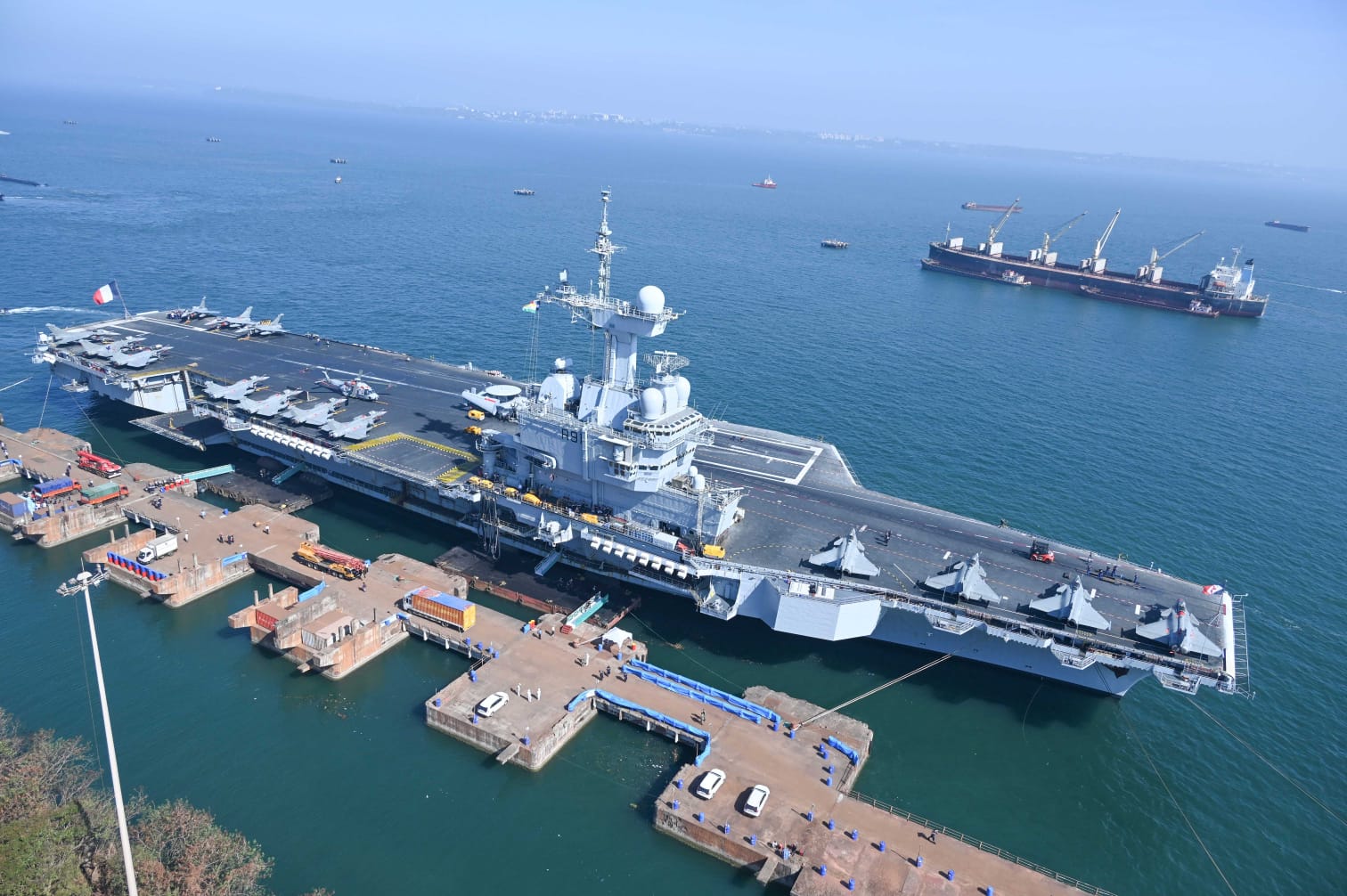
France’s Charles de Gaulle: The Sole Nuclear-Powered Aircraft Carrier Outside the US, Weighing 42,500 Tons and Equipped with Two Atomic Reactors

-
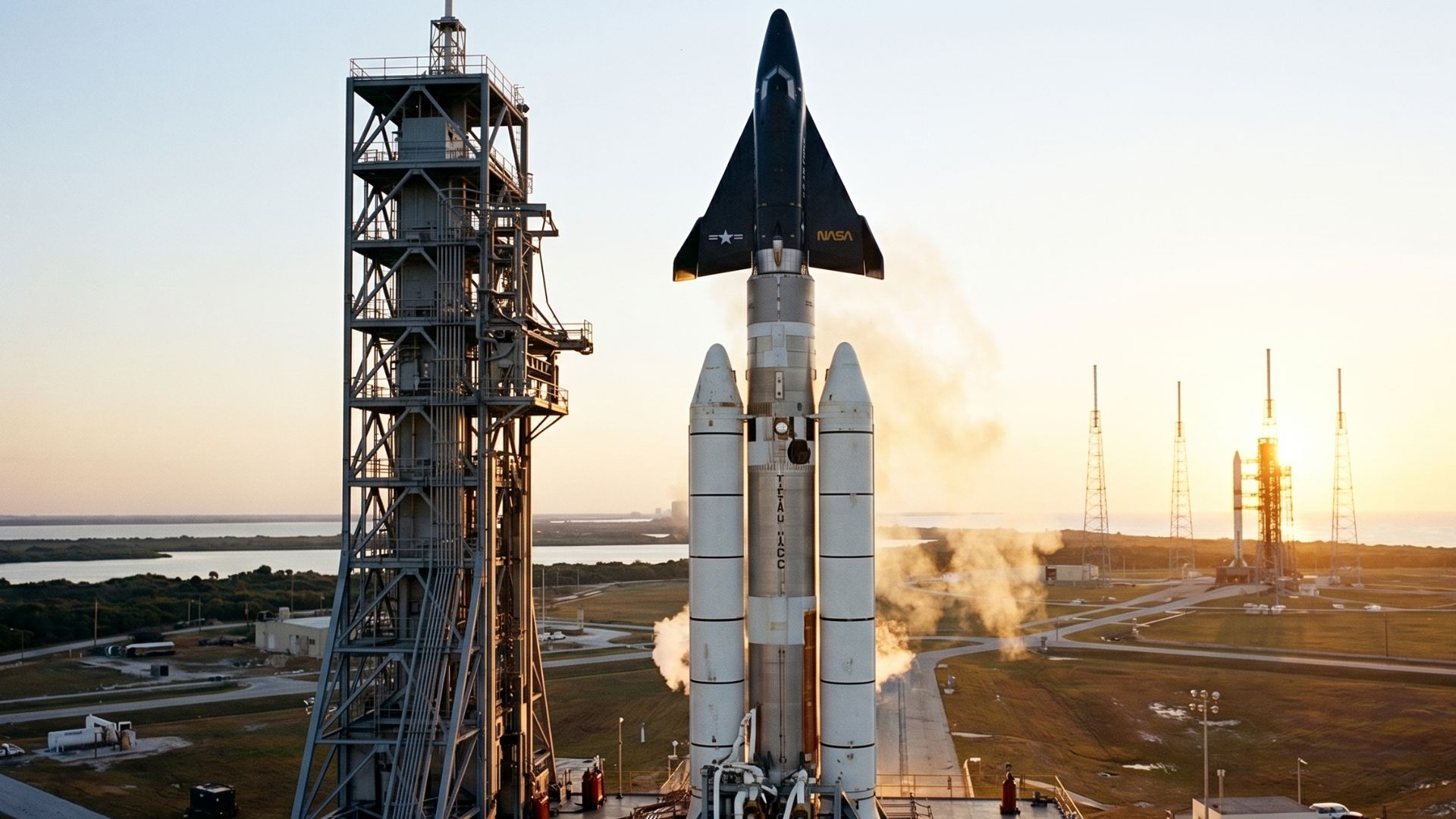
The military spaceplane that almost took the Cold War into orbit: Boeing X-20 Dyna-Soar was designed to re-enter above Mach 20, fly for up to 40 hours, land like a plane, and transform Titan rockets into a gateway to a new era of orbital warfare.
-
FAB bets on national drones and increases investments to strengthen the Brazilian aerospace industry



Most importantly, the plan also seeks to transform India into a global hub for design and manufacturing, as well as increase GDP by 25% by 2025.
Order History
The current order expands a process initiated in 2023, when the government authorized the previous purchase of 83 jets.
This first contract included 73 single-seat Mk1A fighters and 10 two-seat Mk1 trainers. The total of orders, including the new purchase, elevates the ordered fleet to 180 aircraft.
Additionally, between 2006 and 2010, HAL had already delivered 40 single-seat Tejas fighters to the IAF. Therefore, when all the new batches are received, India will have 220 units of the model, consolidating the largest fleet of this type of aircraft in the country.
Expected Deliveries
The initial schedule anticipated that the 83 aircraft ordered in 2023 would be delivered by 2029. However, three units were already delivered in 2024, and HAL has increased its production capacity to 16 aircraft per year between 2024 and 2029.
According to the company’s director, D. K. Sunil, during the Aero India 2025 event, at least eleven fighters are expected to be delivered by March 2026.
Furthermore, the remaining 83 aircraft are expected to arrive by mid-2028. The 97 new fighters will have deliveries completed by 2032.
Tejas Mk1A Features
The Tejas Mk1A is part of the Light Combat Aircraft (LCA) program by state-owned HAL. It is classified as a fourth-generation lightweight multi-role fighter.
The project was born to reduce India’s dependence on foreign aircraft and to modernize the IAF fleet.
These aircraft can perform air interception missions in short- and medium-range combats. They also engage in ground attacks, destruction of ground targets, and tactical reconnaissance.
The central proposal is to offer lightweight, agile fighters with simple maintenance capable of achieving high speeds.
International Competition
The model competes in the lightweight fighter market with other well-known names. Among them are the JF-17 Thunder, used by Pakistan and China, and the F-16 Block 70, employed by the United States Air Forces.
With an operational range of 1,850 km, the new Tejas will come equipped with GE F404 afterburning engines, procured by the IAF. This setup is expected to upgrade the lightweight combat version and enhance its strategic capabilities.
Modern Systems and Armaments
The Mk1A carries AESA (Active Electronically Scanned Array) radar, in addition to advanced avionics and electronic warfare systems.
Another highlight is its compatibility with modern armaments, such as the air-to-air Astra Mk1 missile and the BrahMos-NG cruise missile.
Therefore, the approval of the new contract not only increases the Indian fleet but also reinforces the country’s efforts to strengthen its air defense with domestic and competitive technology against international rivals.
With information from Revista Fórum.