





 Portuguese
  English
  Spanish
  7 min of reading
  0 comments


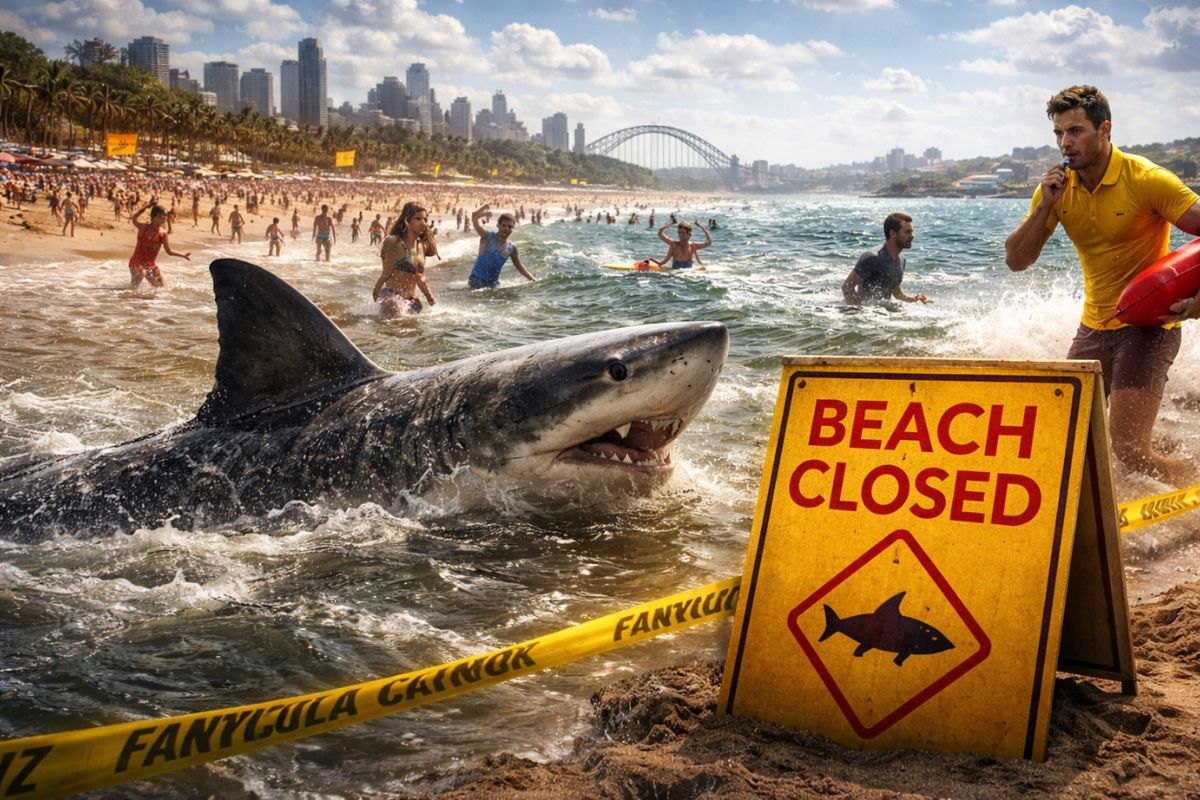
Heavy Rains Cloud The Sea, Four Shark Attacks In Two Days Injure Swimmers And Surfers, Close 28 Beaches Between Sydney And The North East Coast And Leave Experts On Alert About The Impact Of Extreme Events On Predator Behavior.
In a city that prides itself on having a hundred beaches and faces the Pacific Ocean, the last 48 hours transformed Sydney’s daily life into a laboratory of panic and uncertainty. In just a few days of January 2026, four shark attacks struck children and adults at different points along the coast, all in a strangely murky sea after violent rains, raising the question no one can ignore: why so many shark attacks in such a short time.
As families tried to understand how a 12-year-old boy, swimming in a calm cove in Vaucluse, ended up fighting for his life, two other surfers were attacked at iconic Sydney beaches, and a fourth case, 320 kilometers to the north, showed that the problem went far beyond a single animal. In response, authorities closed 28 beaches in a stretch that extends from Sydney to Crescent Head, and the city that lives by the sea was suddenly prohibited from accessing it.
From City Of A Hundred Beaches To A Nightmare Scenario In 48 Hours
Sydney is often described as the city of a hundred beaches, a place where the sea is not just a backdrop but part of the identity of its residents.
-
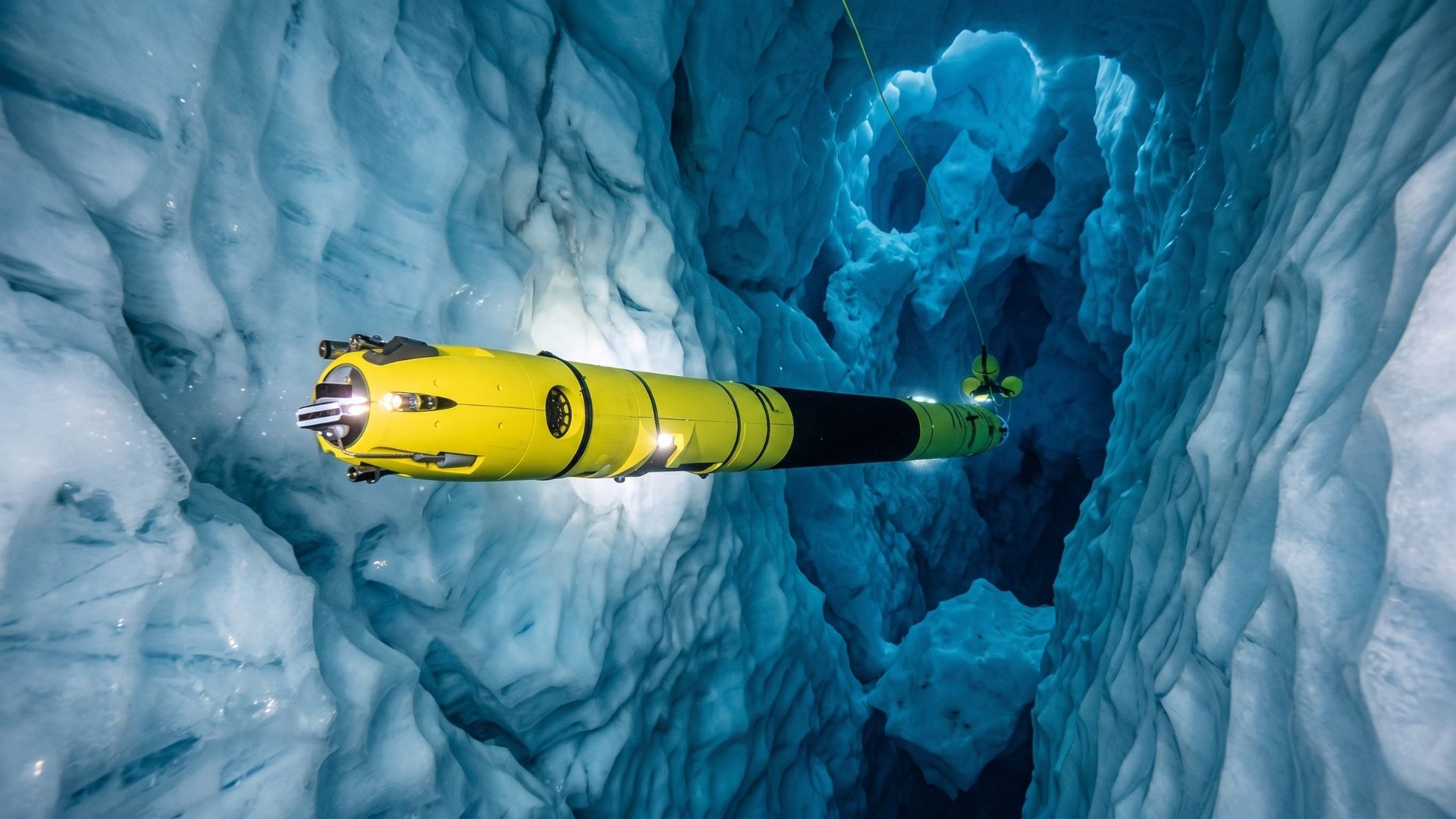
A torpedo-sized submarine robot was launched through a 600-meter hole in the “doomsday glacier” and revealed cracks melting up to 10 times faster; Icefin showed from the inside how warm water threatens Thwaites, an ice mass capable of raising sea levels by almost 70 cm.

-
The iPod is back in full force: young people are reviving Apple’s old device to escape digital distractions and control their own soundtrack.

-
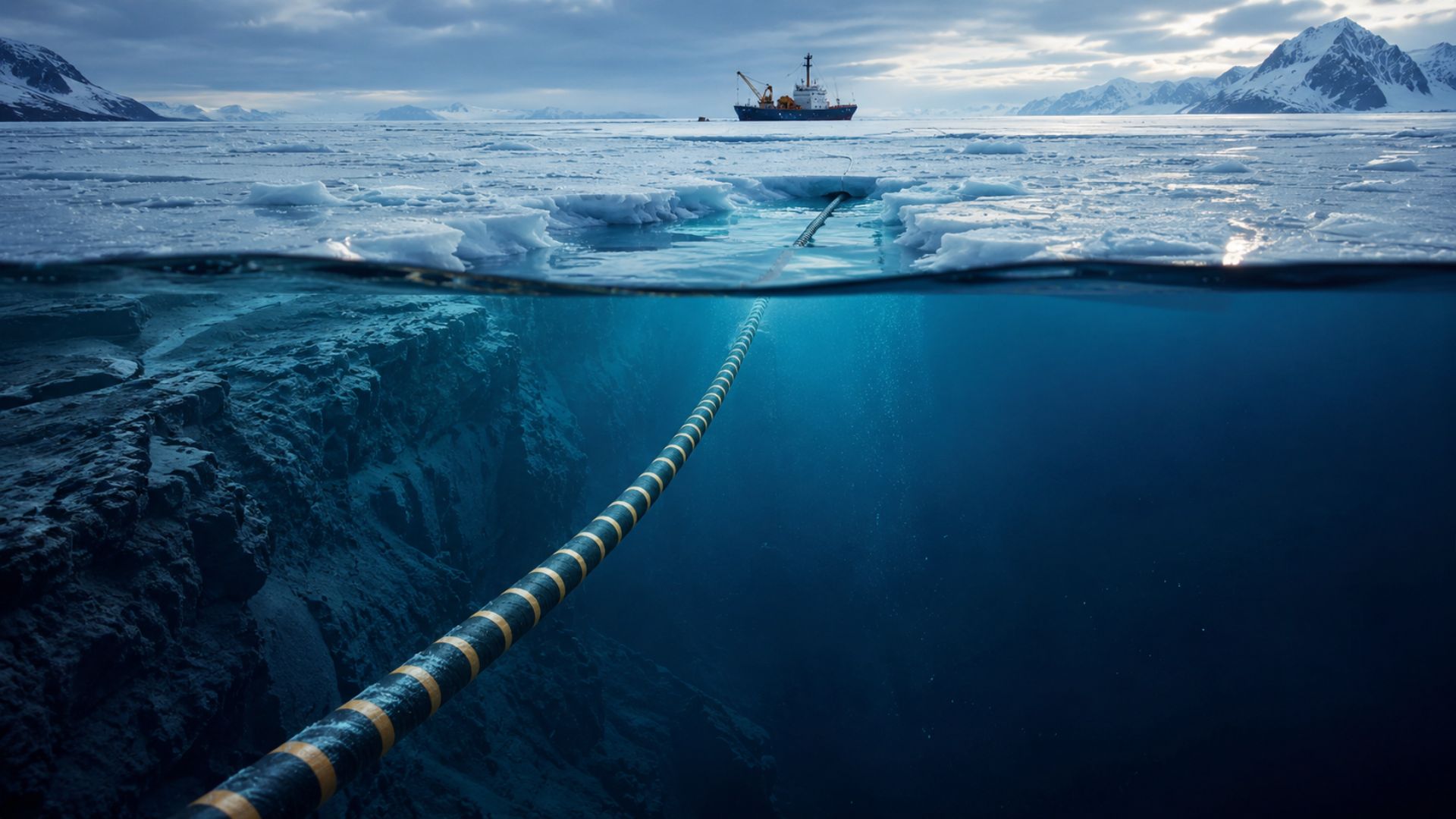
For the first time in history, a submarine cable will descend to four thousand meters deep under the ice of the North Pole to ensure that the internet between Europe and Asia no longer depends on conflict zones in the Middle East.
-
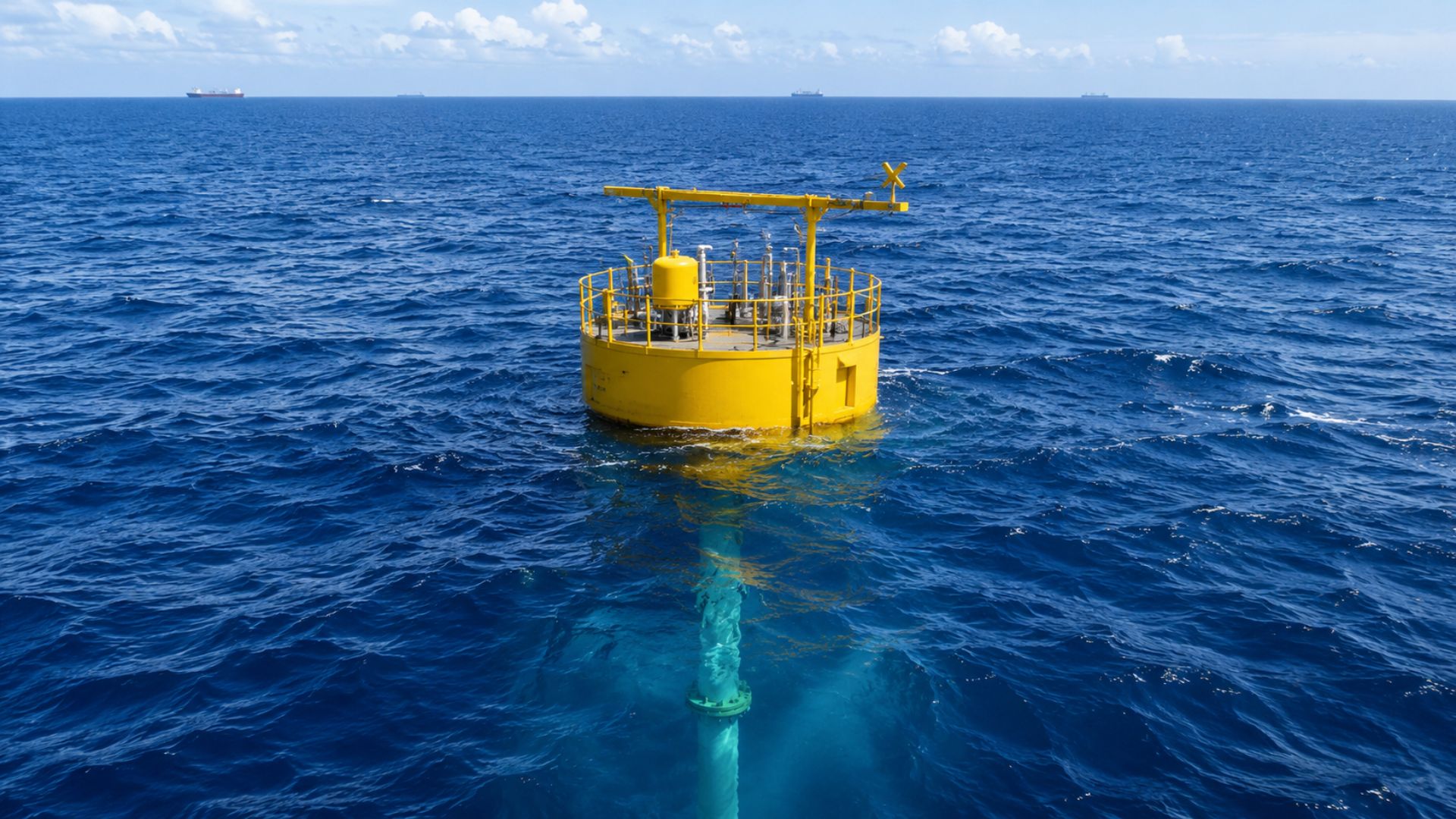
A British company has installed in the middle of the ocean the world’s first floating platform that generates electricity 24 hours a day from the temperature difference between the surface and the depths of the Atlantic, without relying on wind or sun.

For the locals, diving is as routine as taking the bus, and areas like Vaucluse, in the eastern part of the city, are seen as safe havens, with calm bays far from the strong currents of the open sea.
On Sunday, January 18, 2026, that ritual was brutally interrupted. Shortly after 4 PM, on a typical summer afternoon, a 12-year-old boy was swimming with friends in a tranquil cove in Vaucluse.
Laughter, dives, and the sense of safety of a protected harbor formed the perfect childhood scene. What no one saw was the shadow silently gliding beneath the surface.
The heavy rains from the previous days had left the usually clear water with a greenish and milky tint.
Visibility plummeted, and the sea turned into a mix of saltwater, sediments, and organic matter, creating an ideal environment for sensory confusion.
Suddenly, the laughter turned into a single scream. The water around the boy began to bubble and turn red.
The shark violently surged from the depths, bit the boy’s legs with enough force to shake him like a rag doll, and then released its grip.
First Attack: 12-Year-Old Boy In Vaucluse Fights For His Life
The rescue was a race against time. Friends and beachgoers instinctively jumped into the sea, dragging the injured boy to shore.
No one had any doubt: this was a shark attack, with multiple lacerations and significant blood loss.
Paramedics classified the boy’s condition as critical and unstable. He was rushed to Westmead Children’s Hospital and taken directly to the operating room in a desperate attempt to save not only his legs but his life.
The initial analysis of the bite pattern and attack site pointed to a recurring suspect in murky waters: the bull shark, a species known for its aggression and ability to swim in shallow waters, harbors, and even freshwater rivers.
At that moment, the city still believed it was facing an isolated incident, one of those rare statistical events that shock but fade away. No one imagined that the sequence of shark attacks was just beginning.
Second Attack: Destroyed Board In Dee Why, 11-Year-Old Boy Escapes By A Whisker
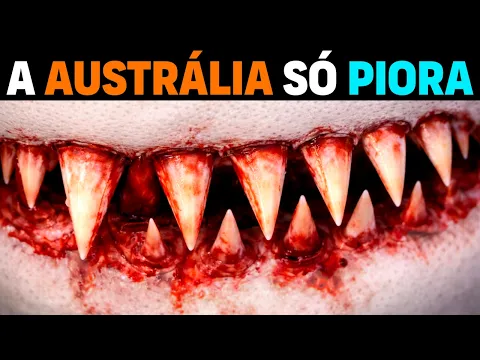

On the morning of Monday, January 19, the expectation was for relief. Instead, confirmation came that the ocean had become a hostile territory.
At the northern beaches of Sydney, in Dee Why, an 11-year-old boy was paddling on his board during a typical surfing session in an area where the sport is almost a religion.
Without warning, he felt the impact from below. The shark did not bite the boy’s body but attacked directly at the board, biting several times and tearing pieces of fiberglass, as if it were attacking a fleeing prey.
By a miracle, the boy emerged physically unscathed, but the image of the destroyed board quickly spread, becoming a symbol of the fear that was beginning to take hold of the beaches.
The incident in Dee Why showed that shark attacks were not confined to a calm cove in Vaucluse, but also affected classic surfing areas, where the routine of waves and boards should dictate the rhythm of the day, not fear.
Third Attack: Adult Surfer Nearly Dies In Manly Thanks To A Makeshift Tourniquet
On that same Monday evening, it was Manly’s turn, one of Sydney’s most famous beaches, to record the most severe attack in the sequence after the case of the 12-year-old boy. There, surfer André de Ruyter, 27, faced the sea in murky conditions when the predator struck again.
The attack was direct and relentless. The shark bit André’s leg hard, causing a deep laceration, rupturing arteries and vital tissues. Within seconds, the surfing session turned into a rescue operation.
Other surfers used the leash, the cord that secures the ankle to the board, as a makeshift tourniquet to try to stem the bleeding until help arrived.
According to doctors, this makeshift remedy was crucial in preventing the surfer’s death on the beach. He arrived at the hospital in critical condition, facing injuries that would likely leave physical and functional scars for the rest of his life.
By this point, the shark attacks had already changed Sydney’s emotional relationship with the sea, transforming a space for daily leisure into a zone of real risk.
Fourth Attack And Closing Of 28 Beaches On The East Coast
On Tuesday morning, the fourth attack in less than 48 hours showed that the crisis extended beyond the limits of the metropolis.
About 320 kilometers north of Sydney, near Point Plomer, a 39-year-old surfer was knocked off his board by a shark that seemed to be patrolling the entire east coast.
This time, the injuries were deemed minor, but the psychological impact was enormous. It was no longer possible to treat the situation as an unfortunate coincidence. *The sequence of shark attacks in such a short span began to be viewed as an unprecedented crisis with national repercussions.
The response came in the form of a massive operation. Surf Life Saving New South Wales coordinated the immediate closure of dozens of beaches.
More than 28 beaches along hundreds of kilometers of coastline were closed, from Sydney to Crescent Head.
The sands were evacuated, safety nets were checked, and drones with high-definition cameras began to patrol the surface of the sea in search of any suspicious shadows.
The government also mobilized smart drumlines, technological traps used to capture and move sharks away from bathing areas.
Even so, the atmosphere was one of temporary defeat. Sydney, the city that lives by the sea, was officially banned from entering it.
What Explains So Many Shark Attacks In Such A Short Time
To understand the origin of this sequence of attacks, scientists looked not only at the animals but also at the environment in which they were situated.
In the days leading up to the first case, intense storms hit Sydney and much of the east coast, dragging large volumes of sediments, organic debris, and sewage into the ocean.
This discharge transformed the sea. The traditionally clear waters gave way to a brackish and murky environment with low visibility. It is precisely under these conditions that the bull shark thrives.
Unlike other species, the bull shark feels at home in dark water, mixed with freshwater and full of suspended particles, an environment where the senses of vibration and motion detection become more important than sight.
At the same time, the runoff from the rains attracted schools of small fish close to the shore, creating a large feast in shallow waters.
In such a scenario, shark attacks are often not deliberate hunts for humans, but misidentifications in the midst of sensory chaos.
In the murky water, the animal detects movements and vibrations. Upon bumping into an arm, leg, or board, the shark bites to investigate.
This test bite, delivered by an animal with such strength, is sufficient to cause catastrophic injuries in seconds.
In other words, there was not a single killer shark roaming the coast but several individuals attracted by the same exceptional environmental conditions.
When The Sea Stops Being A Playground And Becomes A Kingdom Of Predators
On January 25, 2026, the waters began to clear, sediments dispersed, and the bull sharks retreated to deeper areas.
The beaches along the east coast began to reopen slowly, but Sydney’s relationship with the sea was not left unscathed. The scar is both psychological and collective.
By the time this account was concluded, there were no confirmed details about the state of health of the boy attacked on January 18.
Australia records about 20 shark attacks per year, of which, on average, four are fatal. Whether he entered this more tragic statistic remains unknown.
The episode leaves, however, a clear lesson. When the water loses its transparency, the sea stops being a playground and becomes the kingdom of predators.
In marine environments altered by extreme rains, dark water, and intense runoff, the risk increases, and we are the visitors.
And you, after learning about this sequence of shark attacks in Sydney, would you enter the sea on a day of murky water or prefer to wait for the ocean to clear before risking it again?






Be the first to react!