Portuguese
  Spanish


Donald Trump’s Decision to Impose a 50% Tariff on Products from Brazil Will Generate Immediate Impact on the Trade Balance Between the Two Countries. Brazilian Cities That Export the Most to the United States Could Be Directly Affected, Putting Strategic Sectors of the National Economy at Risk.
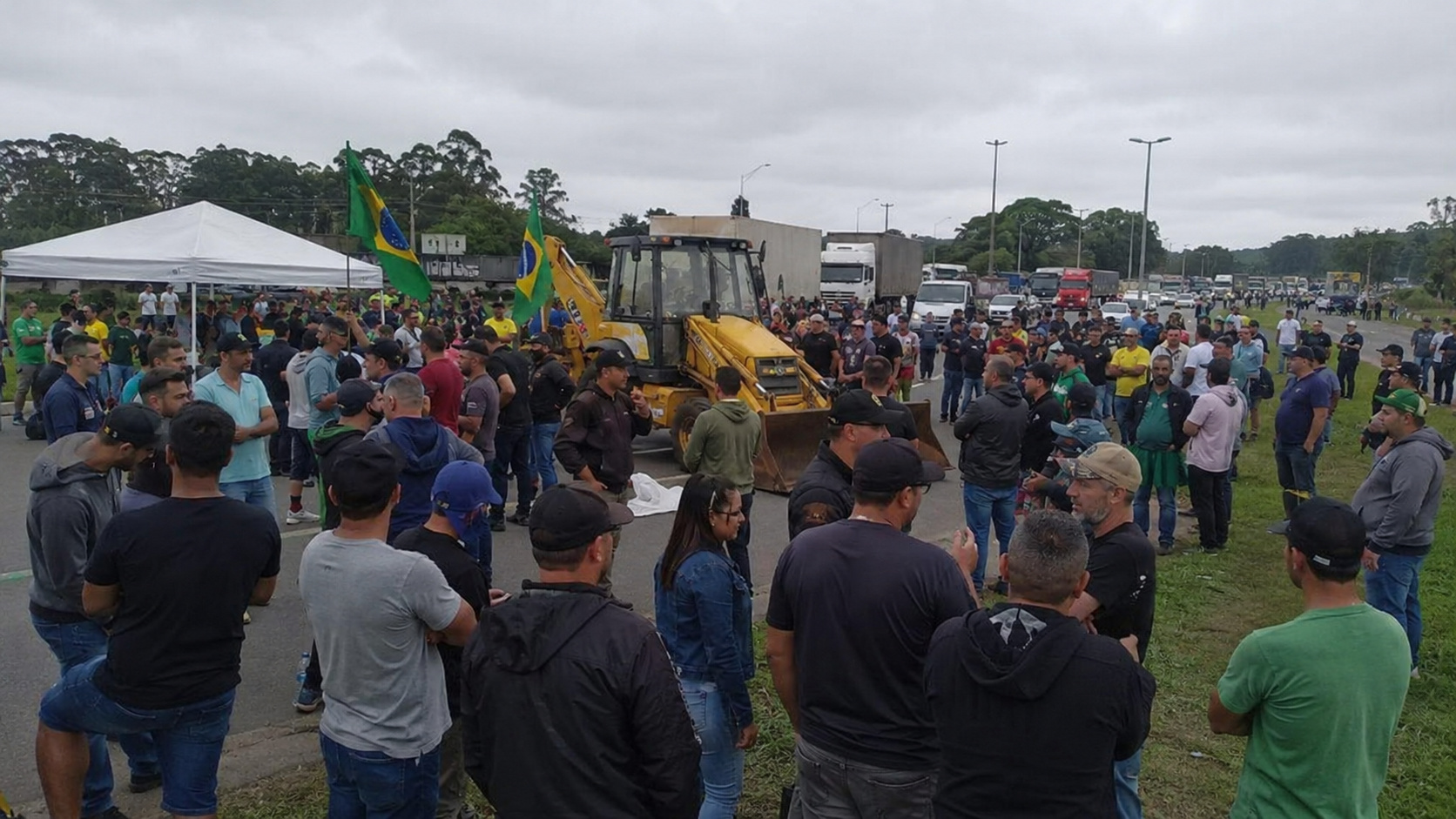
In a statement published on the Truth Social platform, President Donald Trump declared that the United States will impose a 50% tariff on all products imported from Brazil starting on August 1.
The measure, according to the Republican, is a direct response to what he called “trade injustices” and “attacks on free speech”, attributing criticism to the Brazilian Supreme Court (STF) for decisions against U.S. digital platforms and for how it has been conducting cases against former President Jair Bolsonaro.
“I met and had contact with former President Jair Bolsonaro, and I deeply respected him,” Trump wrote. Trump classified the trials as “witch hunts” and used the incident to justify the economic sanction.
-
U.S. Women’s History Museum Stalled in Congress Amid Gender Identity and Diversity Debate

-
European Parliament Approves Digital Euro, Aiming to Challenge Visa and Mastercard’s Dominance and Transform Payments Across Europe by 2029
-
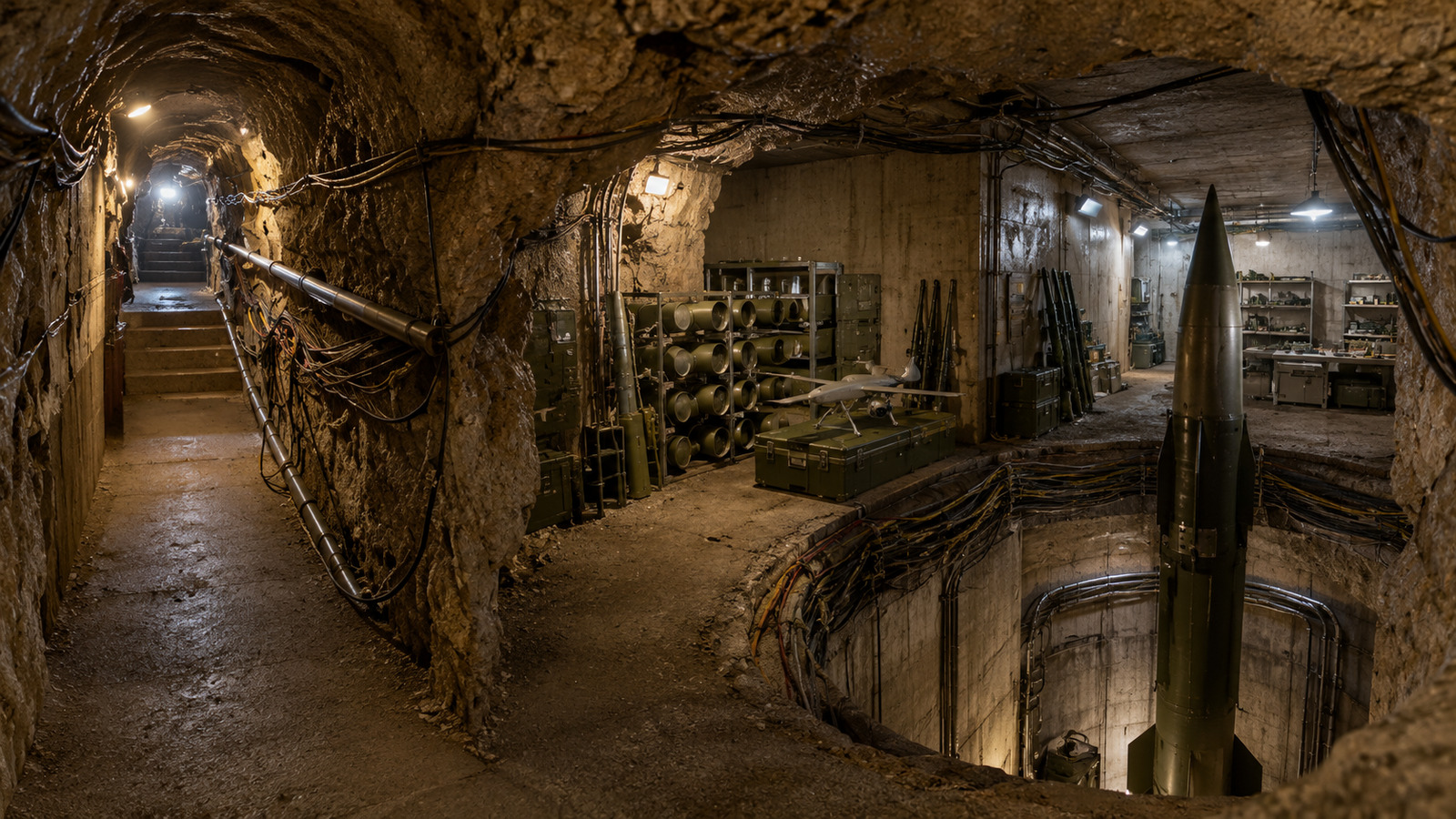
Israel finds Hezbollah militarized tunnel over 200 meters long under village, with 4 missile launch shafts, 12 chambers, anti-tank missiles, drones, and weapons depots at a depth of 25 meters.

-
Ukraine launches largest drone attack on Moscow since 2022, Russia claims to have intercepted nearly 200 aircraft near the capital, Kapotnya refinery targeted again, and offensive reignites alert about war reaching the Russian energy heart just a few kilometers from the Kremlin.



Besides the political nature, the U.S. president argued that there is a trade imbalance between the two countries.
According to him, the new rate is a way to compensate for the “tariff and non-tariff barriers” imposed by Brazil.
And he issued a warning: if the Brazilian government retaliates with an increase in tariffs, the U.S. will raise charges by the same proportion.
Rio de Janeiro and São José dos Campos on the Front Line
With the new scenario, Brazilian cities that export the most to the United States are expected to feel the direct impact of the decision. Information released by VALOR.
Rio de Janeiro leads Brazilian exports to the U.S., with about US$ 4.9 billion in products shipped in the last year, most linked to the oil sector.
With the new tariff, crude and refined oil exported from the Fluminense capital is expected to face a sharp drop in competitiveness, which could affect jobs and investments in the state.
Another vulnerable municipality is São José dos Campos, in São Paulo, a hub for the national aerospace industry. The city exported approximately US$ 1.7 billion in aircraft and parts — mainly due to Embraer’s activity.
With the 50% tariff, profit margins may be squeezed, and the company will find it more difficult to compete with manufacturers in the United States.
Duque de Caxias and Piracicaba Are Also Expected to Feel Effects
Duque de Caxias, also in the state of Rio, is another important export center, especially for refined oil.
Piracicaba, in the interior of São Paulo, stands out for selling heavy machinery to Americans. These exports involve strategic industrial sectors that support extensive production chains.
Even smaller cities that do not directly appear on the lists of top exporters can also suffer.
Many integrate the production chain of sectors such as aviation, oil, and manufacturing, supplying parts, inputs, and logistics services.
Cities That Sell the Most to the U.S.
| Municipality | State | Value, in US$ billions |
| Rio de Janeiro | RJ | 4.9 |
| São José dos Campos | SP | 1.9 |
| Duque de Caxias | RJ | 1.6 |
| Piracicaba | SP | 1.3 |
| Serra | ES | 1.3 |
| São João da Barra | RJ | 0.9 |
| Santos | SP | 0.8 |
| Ilhabela | SP | 0.6 |
| Guarulhos | SP | 0.6 |
| Gavião Peixoto | SP | 0.6 |
Agriculture Could Be the Next Target
Although the taxation initially targets industrial products, Brazilian agriculture remains an important player in trade with the U.S.
Sectors such as meat, juices, and forest products also have a presence in the U.S. market and could face barriers in the future if commercial tensions increase.
The Measure Could Affect Investments and Jobs
Besides the pressure on exporting companies, taxation may create uncertainties in the business environment, deterring foreign investments and delaying expansion plans of large domestic industries.
Trade with the United States is one of the engines of the Brazilian economy, moving billions of dollars each year.
The effects of the 50% tariff could be felt both in large industrial centers and in peripheral regions that depend on these activities to maintain jobs and income.