Portuguese
  Spanish


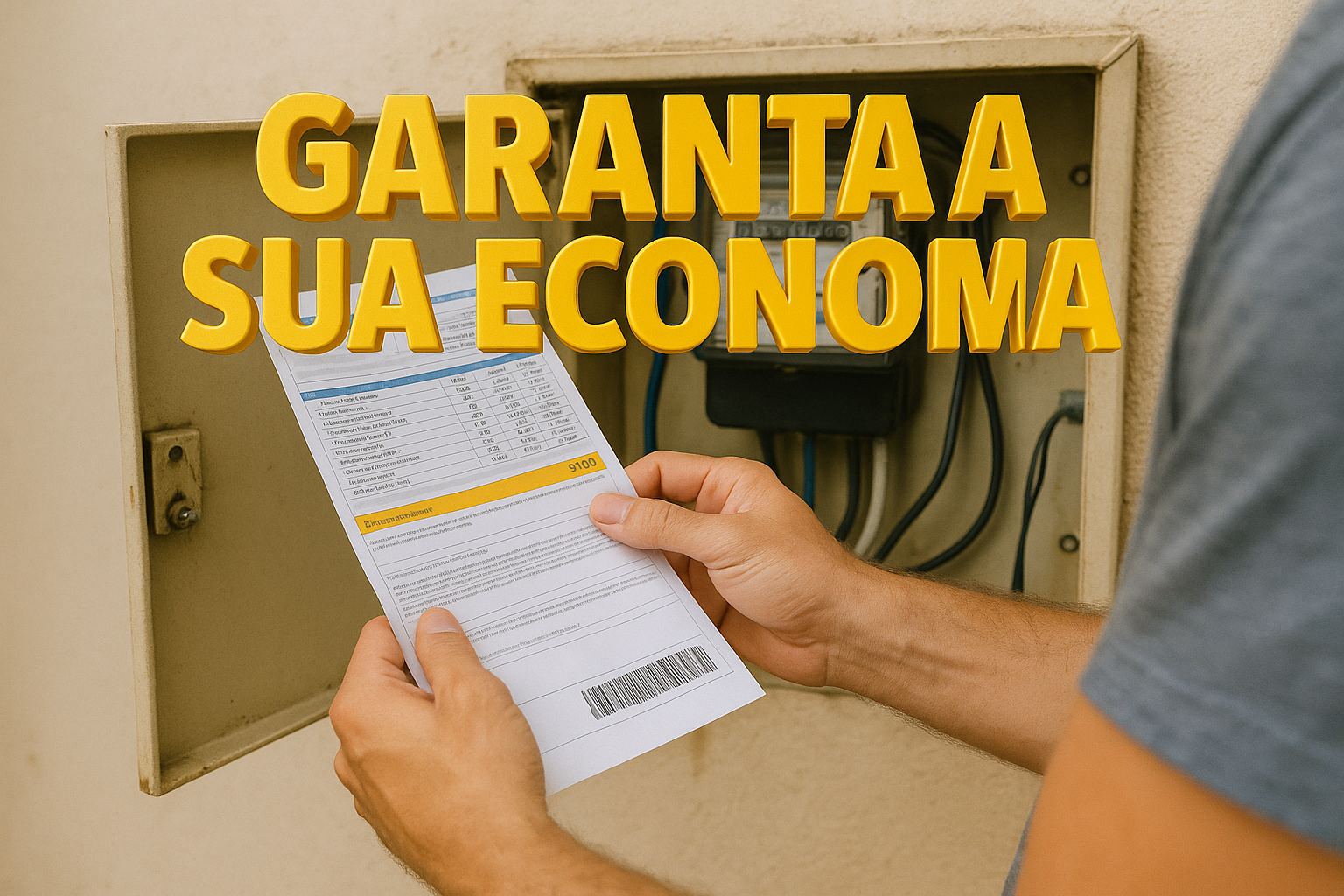


Updated Social Tariff Rules in 2026 Expand Access to Automatic Discounts on Electricity Bills for CadÚnico Registrants, BPC Beneficiaries, and Families with Special Health Needs
Additionally, under rules in effect since January 2026, the benefit now incorporates broader criteria and automatic application, reinforcing access to energy as an essential right, according to the guidelines of the National Electric Energy Agency (Aneel) and the Ministry of Social Development and Assistance.
Federal Program Ensures Fairer Access to Electricity
First of all, the Social Electricity Tariff is a federal benefit created to ensure fairer and continuous access to electricity. Thus, the discount is automatically applied to the monthly bill, varying according to the family profile and the volume of energy consumption.
-
Brazilian Startup Turns Coffee Grounds into Plant-Based Leather, Cutting Water Use by Over 50 Times for High-Impact Sustainable Fashion

-
Eco Invest Auction Aims to Unlock $10 Billion in Investments, Focusing on Green Fertilizers, Critical Minerals, Batteries, and AI for Clean Industry in Brazil

-
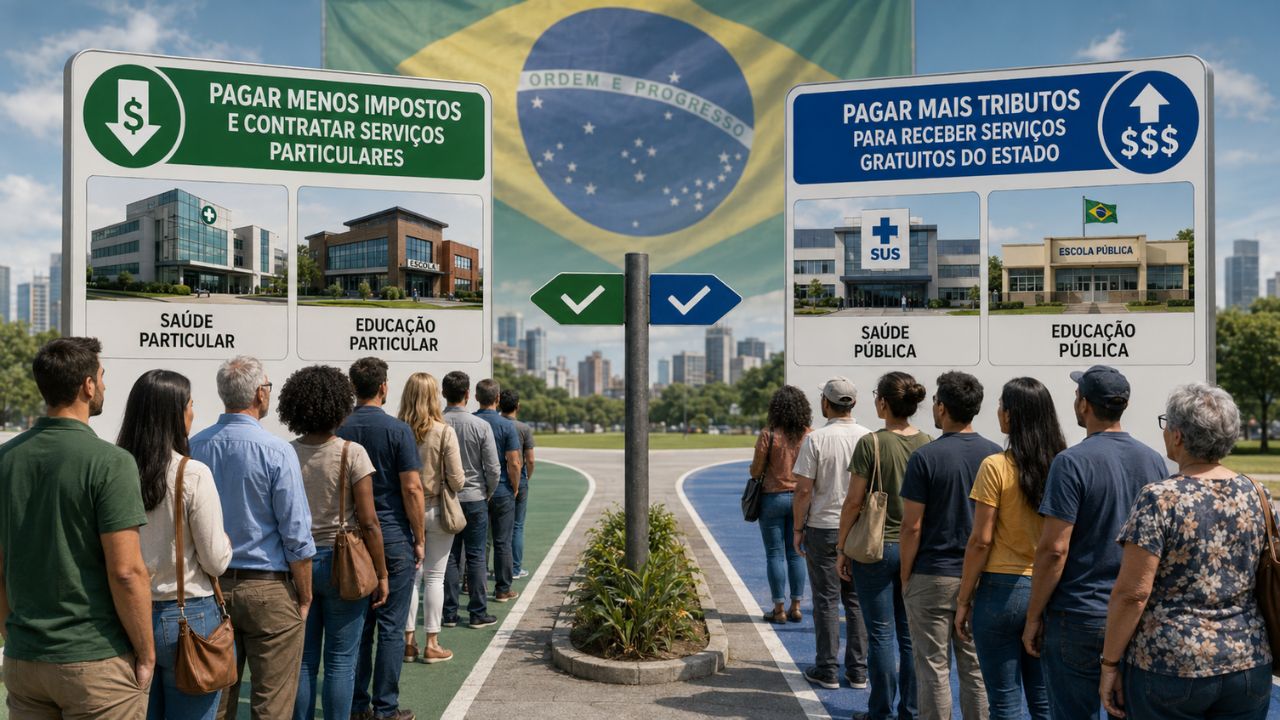
Half of Brazilians Prefer Lower Taxes with Private Health and Education, While 44% Opt for Higher Taxes for State-Provided Services, Datafolha Survey Reveals

-
Brazil’s Most Expensive Toll Rises to R$ 40.60 on Route from São Paulo to the Coast, Nearly Matching Bus Fare to Santos



Moreover, in many situations, the program allows for basic monthly consumption to be exempt from charges, leaving only local fees and taxes, which consequently makes the electricity bill much more affordable.
CadÚnico Families May Have Their Electricity Bills Waived in 2026
In this context, families registered in the CadÚnico remain the primary audience for the Social Tariff in 2026. According to the criteria maintained this year, families with monthly income per person of up to half the minimum wage remain automatically eligible.
Additionally, within this group, under regulations valid in 2026, consumption of up to 80 kWh per month may receive full exemption from the energy charge, thereby reducing one of the heaviest fixed costs in the family budget.
BPC Beneficiaries Remain Automatically Included
Similarly, elderly individuals aged 65 and older and people with disabilities receiving the Continuous Cash Benefit (BPC) continue to be automatically included in the Social Tariff, provided they are registered and have updated data in the CadÚnico.
This classification, as stipulated in the Organic Law of Social Assistance, guarantees greater financial security, especially for families relying on the assistance benefit to cover basic expenses.
Continuous Use of Electrical Equipment Expands Access to the Benefit
In addition to traditional groups, another audience covered includes families with members dependent on the continuous use of essential electrical equipment, used for health treatment or life support.
In these cases, the rules become more flexible. Thus, the monthly income limit can reach up to three minimum wages, therefore allowing access to the Social Tariff even outside the standard income criterion.
Automatic Application Simplifies Access to the Social Tariff in 2026
Finally, with the legal updates in effect from 2026, the application of the Social Tariff has become even simpler. Thus, it is not necessary to request the discount from the energy distributor, as long as the family data is correct and updated in the CadÚnico.
In general, therefore, the following may receive the Social Electricity Tariff in 2026:
- Low-income families registered in the CadÚnico
- BPC beneficiaries, such as elderly individuals and people with disabilities
- Families with members using essential electrical equipment
- Indigenous and quilombola families registered in the CadÚnico
In this scenario, how can this expansion of the Social Tariff practically transform the monthly budget of Brazil’s most vulnerable families?