Portuguese
  Spanish


Mexico Leads New Trade Openings for Brazilian Agribusiness, with 22 Products Released Since 2023 and Strong Presence of Meats, Amidst the Impact of Tariffs Imposed by the United States.
Mexico has become, since 2023, the main vector for market expansion for Brazilian agribusiness.
With the release of 22 products previously not imported from Brazil, sales totaled US$ 870 million, more than half of the total generated by new trade openings during the period, estimated at US$ 1.73 billion.
This movement occurs as the United States raises import barriers, pressuring regional supply chains and creating space for closer ties between Brasília and Mexico City, according to information originally published by the CNN Brazil portal.
-
Flower strips in Brazilian farms become pest control strategy, attracting predator insects and reducing the need for chemical pesticides.

-
Yara acquires Texas ammonia plant for $1.3 billion, boosting global fertilizer competition with 1.3 million tons annual capacity

-
At 35, Lawyer Leaves Corporate Career to Turn 1-Hectare Farm into Organic Supplier for Schools in Southern Brazil

-
Solar-powered agricultural robots operate 24/7, remove weeds with 8mm precision, and aim to cut herbicide use without fuel consumption in the fields.



Exports to Mexico Lead Expansion of Brazilian Agribusiness
Among the destinations that most absorbed newly enabled products, Mexico accounts for 50.4% of the additional total.
Next are Egypt, Vietnam, Turkey, and Algeria, which together contribute a significant but lesser share compared to the advancement observed in the Mexican market.
The picture reflects a strategy of the Brazilian government to diversify destinations following the escalation of American tariffs.
Animal Proteins Boost Sales
Animal proteins illustrate the intensity of Brazilian entry.
In 2024, exports of beef generated US$ 214 million and those of pork US$ 102.6 million to Mexico.
Both markets were opened recently and are now among the flagship items of the agenda.
These numbers reinforce a pattern: the protein category has accumulated the most new qualifications since 2023, boosting additional revenue with products that previously had no access.
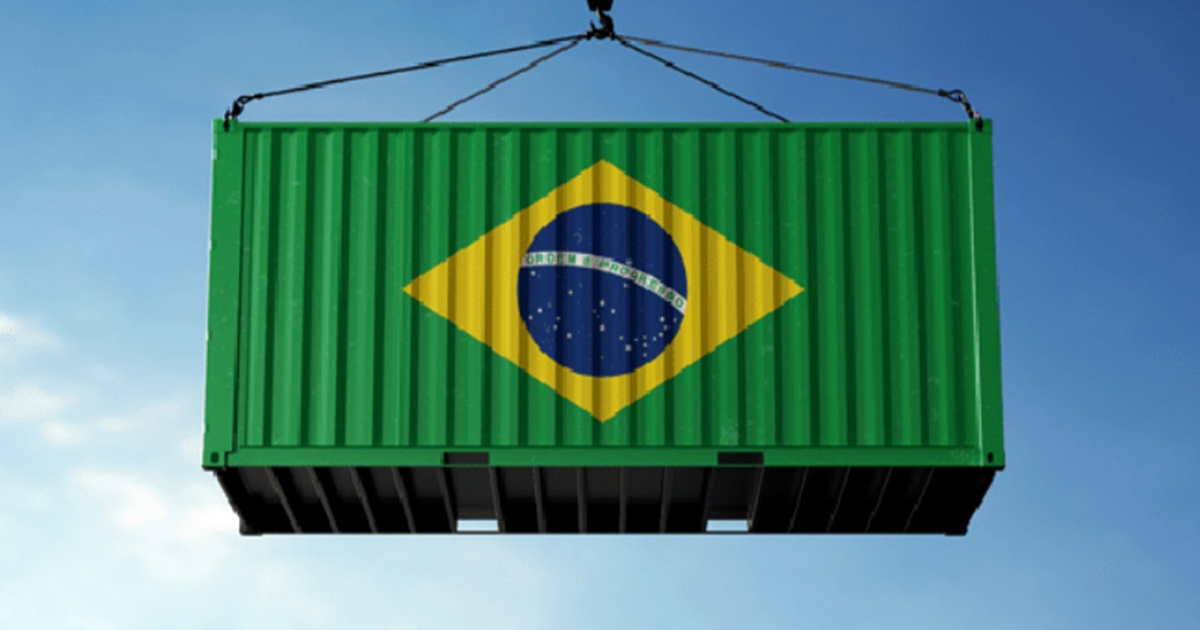
US Tariffs Create Window of Opportunity
The tariff shift by the United States under President Donald Trump reshaped regional trade routes and raised alerts among exporters in the hemisphere.
In 2025, Washington began implementing broad measures — including an executive order stipulating reciprocal tariffs and a baseline of 10% — altering costs and predictability for suppliers, especially from Mexico.
The redistribution of flows in this environment favored Brazil’s opportunity reading and accelerated the search for alternatives to absorb production that could be affected in the US.
Trade Mission to Mexico
In light of the new scenario, both countries signaled their intention to strengthen ties.
The Brazilian government is considering sending an official mission to Mexico City on August 27 and 28, led by the Vice President and Minister of Development, Industry, Commerce, and Services, Geraldo Alckmin, to negotiate trade facilitation and regulatory alignment.
The initiative follows technical meetings held just over a month ago on Mexican territory, where negotiators explored pathways to enhance exchange, according to reports published by CNN Brazil.
Lula and Sheinbaum Discuss Tariffs
Last month, President Luiz Inácio Lula da Silva spoke by phone with the President of Mexico, Claudia Sheinbaum, about the tariff situation and its ramifications.
According to official reports, Lula advocated for deepening economic ties in a “current moment of uncertainties” and proposed to resume negotiations for a broader trade agreement than the current Economic Complementation Agreement (ACE), still considered limited.
However, the negotiations remain at an early stage.
Pacic Reduces Mexican Barriers
Historically, Brazilian agricultural products faced in Mexico rates that, according to sector technicians, could reach 60%.
Since 2022, however, the adoption of the Paquete Contra la Inflación y la Carestía (Pacic) by the Mexican government has eliminated or reduced tariffs on a basket of foods, providing temporary price relief and facilitating the entry of various foreign products, including Brazilian.
The combination of domestic demand, tariff adjustments, and competitive supply contributed to the recent surge in Brazilian sales.
Sanitary Opening for Meats
The commercial advance was accompanied by sanitary decisions.
In March 2023, Mexico published requirements for Brazilian beef, allowing shipments from Santa Catarina and, in the case of other states, of aged and boneless cuts according to zoosanitary standards.
In February of the same year, the country expanded its opening for fresh pork, eliminating the previous requirement for thermal processing.
These changes unlocked business opportunities that today appear among the main highlights of the bilateral agenda.
Why Mexico Became a Priority for Brazil
In addition to geographical proximity and market size, Mexico offers complementarities to the Brazilian agribusiness industry.
The country is a large consumer of proteins, depends on imports to balance supply, and under the Pacic, sought to ease inflationary pressures with external purchases.
For Brazil, the predictability of demand and the recent sanitary qualifications have reduced uncertainties and supported contracts in 2024 and 2025.
At the same time, Mexico’s weight in new openings creates a cushion against fluctuations linked to the US market, subject to rapid tariff changes by executive decision in the US.
Next Steps in the Bilateral Relationship
The agenda under discussion includes expanding the coverage of the current trade agreement and advancing on regulatory issues affecting costs, such as sanitary procedures and certifications.
The stated objective of Brasília is to diversify destinations and dilute risks, keeping Mexico as a recent anchor for the growth of open markets.
In parallel, the Brazilian government claims it will continue seeking new qualifications in other countries to avoid excessive concentration.
Points of Attention
Two vectors deserve monitoring. First, the evolution of tariffs from the United States, which may be adjusted by executive actions and directly impact partners like Mexico and Brazil.
Second, the permanence or adjustments in the Pacic and in Mexican measures to facilitate imports, which will affect the cost of entry and the competitiveness of Brazilian items.
Depending on these variables, the additional revenue observed since 2023 may gain traction or require repositioning.
Given this scenario, what will be the next Brazilian product to scale in Mexico and consolidate this window opened by the new tariff landscape?