






 Portuguese
  Spanish
  4 min of reading
  0 comments


The Brazilian Energy Sector Is Experiencing Sustainable Advancements with Biogas, Biogas, and Second-Generation Ethanol
In recent years, especially between 2023 and 2025, the demand for innovative solutions has grown significantly in Brazil. According to Statista (2024), electricity generation from renewable sources is expected to reach 639.40 billion kWh by 2025. Thus, vacuum technologies are becoming even more relevant, as they enable significant gains in efficiency and sustainability.
Since 2023, the automotive sector and the energy market have increasingly adopted vacuum systems. These systems are decisive, especially in the fermentation, extraction, and distillation phases of ethanol, whether from corn or lignocellulosic biomass (dry plant matter). Therefore, vacuum has become indispensable in industrial processes aimed at clean energy.
Second-Generation Ethanol and Corn: Efficiency Guaranteed by Vacuum
In the context of second-generation ethanol, which gained momentum in Brazil starting in 2022, the use of agricultural and forestry residues has become a central solution for utilizing biomass. In these cases, vacuum is essential to optimize the extraction of fermentable sugars, increasing distillation efficiency and maximizing the yield of the final product.
-
US$ 7 billion, green hydrogen, and steel with up to 95% less CO₂: the first green steel plant on the planet emerges in Sweden and targets Brazil as the next chapter

-
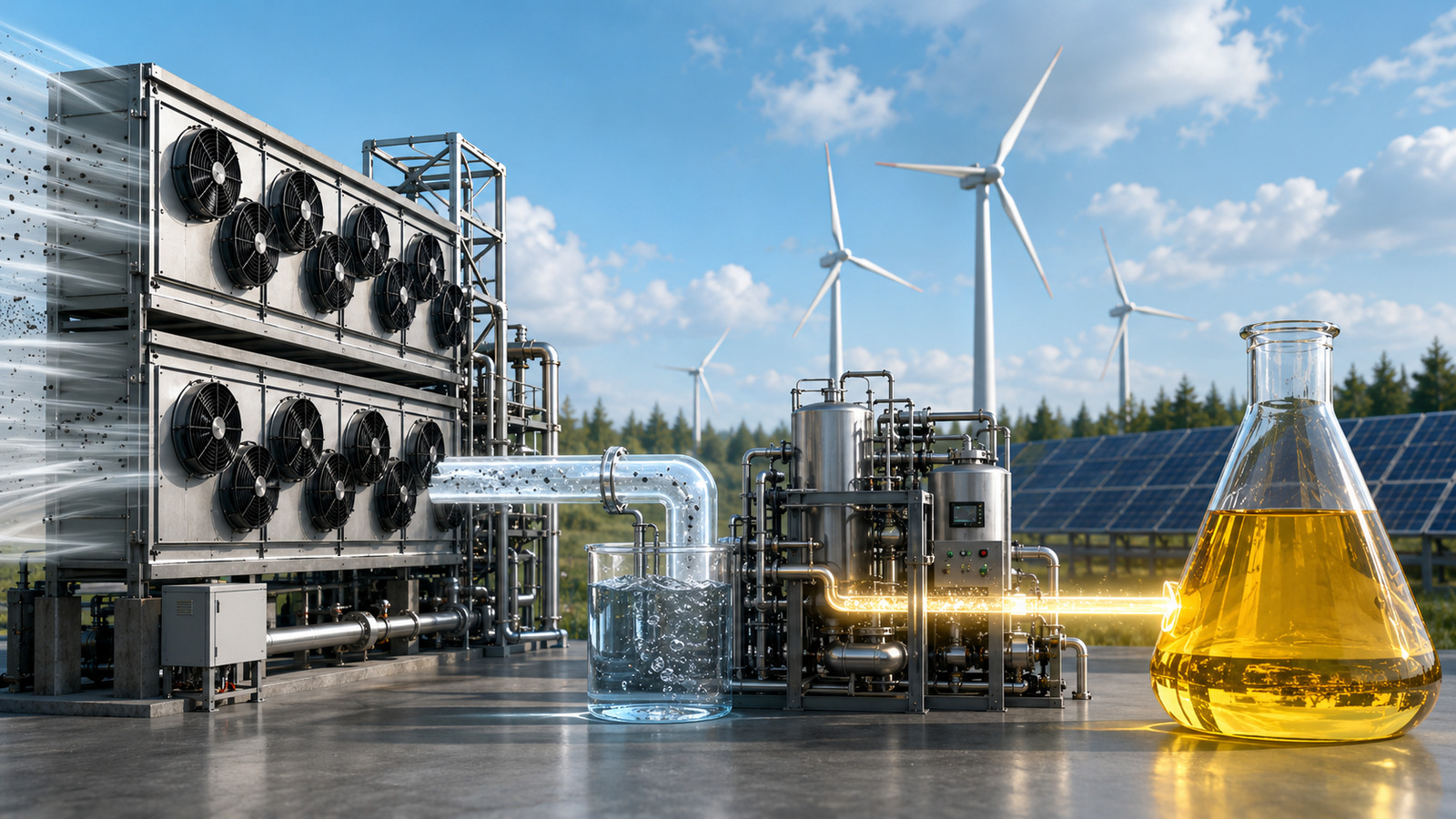
Swedes manage to create synthetic fuel with CO₂, water, and renewable energy, compatible with current engines, but face a huge problem: the energy expenditure is still double the return.
-
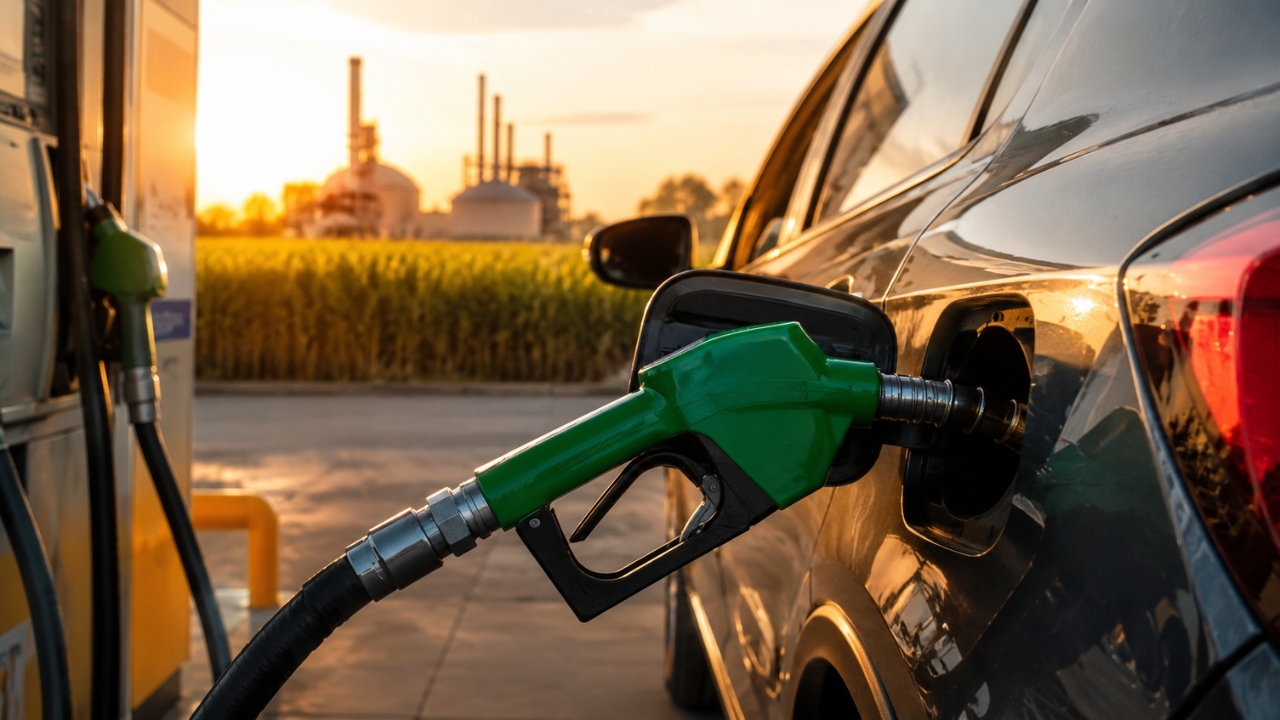
Brazil begins to transform wheat, residues, sweet potatoes, and soy molasses into ethanol, in a new phase of biofuels that seeks to utilize leftovers from the field and industry to fuel flex-fuel cars.

-
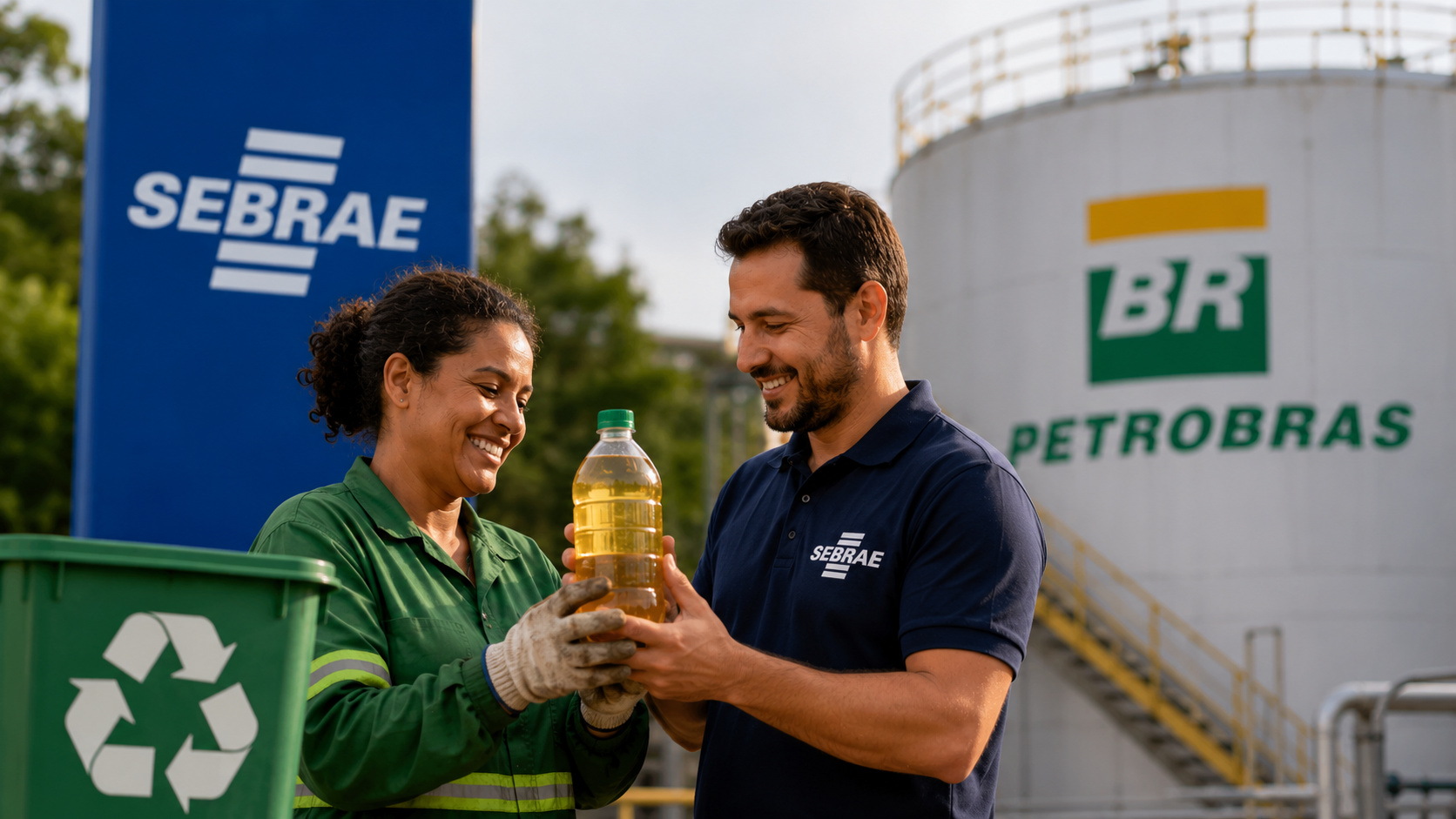
Sebrae and Petrobras join forces in Ceará to include waste pickers in the circular economy and strengthen the biofuel chain, creating new income opportunities and expanding the sustainable use of waste with a direct impact on regional development.


At the same time, corn ethanol, which has solidified globally as a sustainable alternative between 2022 and 2024, uses vacuum pumps to create controlled environments. This leads to higher starch conversion and ethanol separation, ensuring superior yield and consistent quality. Whenever pressure control is refined, industrial results exceed expectations.
Valued Wastes: Biogas and Clean Energy
Since 2023, the Brazilian sugar-energy sector has adopted new practices to transform vinasse – a by-product of ethanol, traditionally polluting – into a strategic input. By reusing vinasse in biogas production, sugarcane mills have begun generating additional revenue and reducing environmental impacts. The Brazilian Biogas and Biometano Association (ABiogás) highlighted that in 2023, national biogas production reached record levels, proving the potential of waste for generating renewable energy.
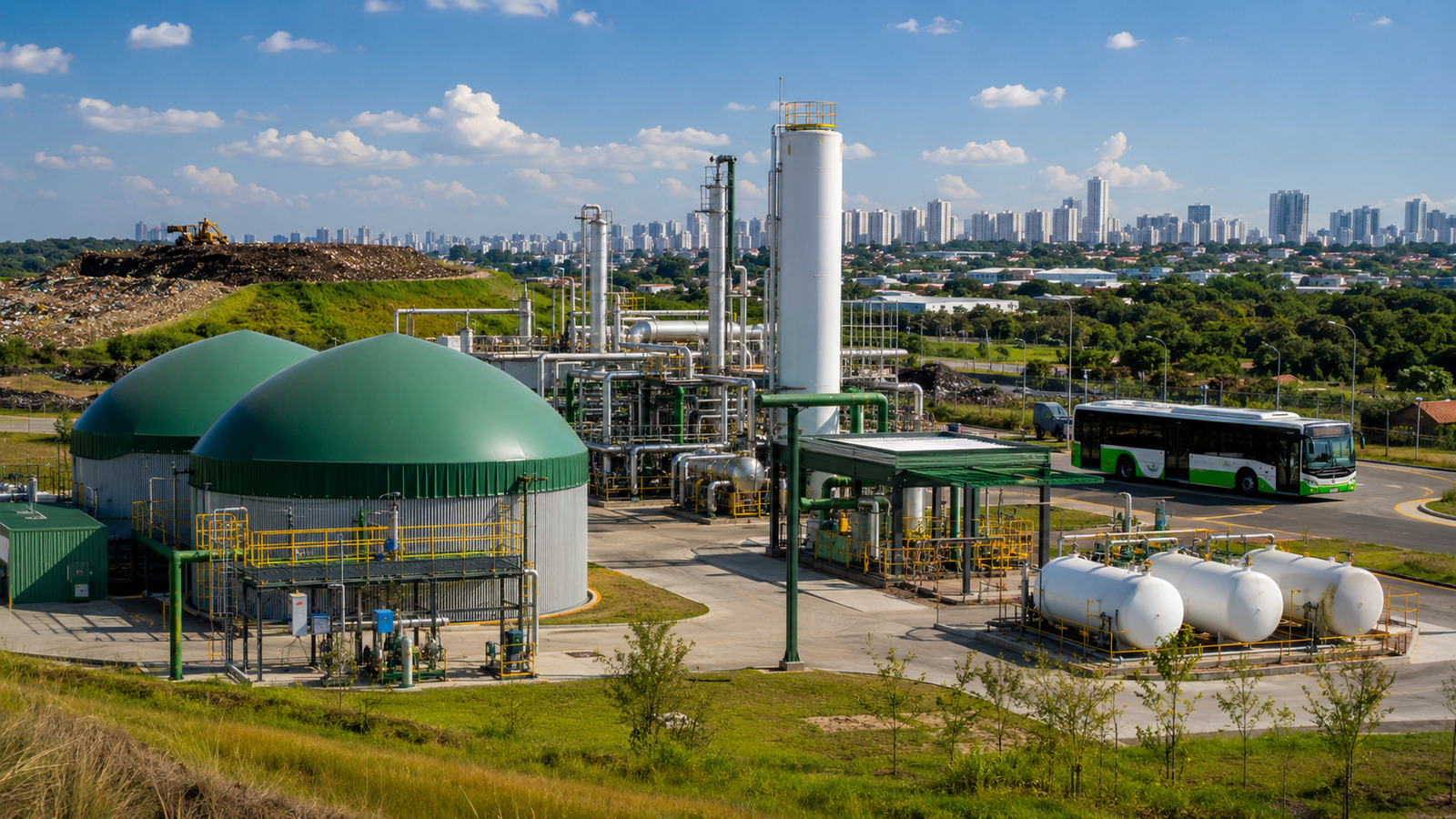
Moreover, landfills have been protagonists since 2021. When organic waste decomposes, the biogas generated can be purified and converted into biogas. This process, enabled by vacuum systems, contributes not only to sustainability but also to reducing greenhouse gases – according to data from the Energy Research Company (EPE, 2024).
Biogas Revolutionizes Industrial and Logistics Sectors
Biogas is already boosting large food companies, fertilizer manufacturers, automakers, and the national agribusiness. According to ABIogás, since 2022, corporations have been adopting biogas to replace natural gas, cutting carbon emissions and improving operational efficiency.
The use of biogas guarantees, at the same time, the valorization of organic waste and diversification of the energy matrix. Additionally, it generates carbon credits, making its adoption strategic and aligned with international market requirements for low emissions.
Carbon Capture: Innovation with Vacuum Technology
Vacuum technology has also established itself between 2022 and 2025 as a crucial tool for carbon capture and use. Methods such as CCS (carbon capture and storage) and CCU (carbon capture and utilization) have started to utilize vacuum to create pressure gradients. This has increased efficiency in gas separation, optimizing techniques like membrane separation and direct air capture (DAC), according to a report from the International Energy Agency (IEA, 2024).
Vacuum swing adsorption also allows CO₂ to be removed from filters for later use or safe storage. This enables companies to repurpose carbon dioxide in greenhouses, beverages, safety systems, and as a chemical input – thus fostering a circular and sustainable economy.
Regulation and Safety: ANP Resolution No. 886/2022
In 2022, the National Agency of Petroleum, Natural Gas and Biofuels (ANP) published Resolution No. 886, which defines standards for the quality control of biogas. The rule establishes limits for the composition of biogas generated by both sugarcane mills and landfills, detailing the maximum levels of hydrogen sulfide, volatile gases, and nitrogen, according to the specifications of the purification equipment manufacturer.
Busch Brasil, a reference in the segment, has recommended, since 2022, the conduct of detailed technical studies before implementing vacuum systems. Careful evaluations of power, durability, and operational safety ensure greater efficiency and longevity for biogas projects.
The Sustainable Future and the Role of Vacuum Solutions
Companies that have, since 2022, invested in customized vacuum solutions for biogas are leading the transition to clean energy in Brazil. Busch Vacuum Solutions, along with Pfeiffer Vacuum+Fab Solutions, provides systems that, in addition to increasing performance, offer safety and long-term reliability for sustainable operations.
Thus, the national energy sector advances toward a new era – cleaner, more profitable, and connected to the needs of the planet. The future of renewable energy and biofuels has already arrived, shaping the Brazilian automotive and industrial market based on innovation, efficiency, and rigorous regulation.
What new opportunities will clean energy and vacuum technology open for the automotive sector and the energy matrix of Brazil in the coming years?







-

1 person reacted to this.