Portuguese
  Spanish


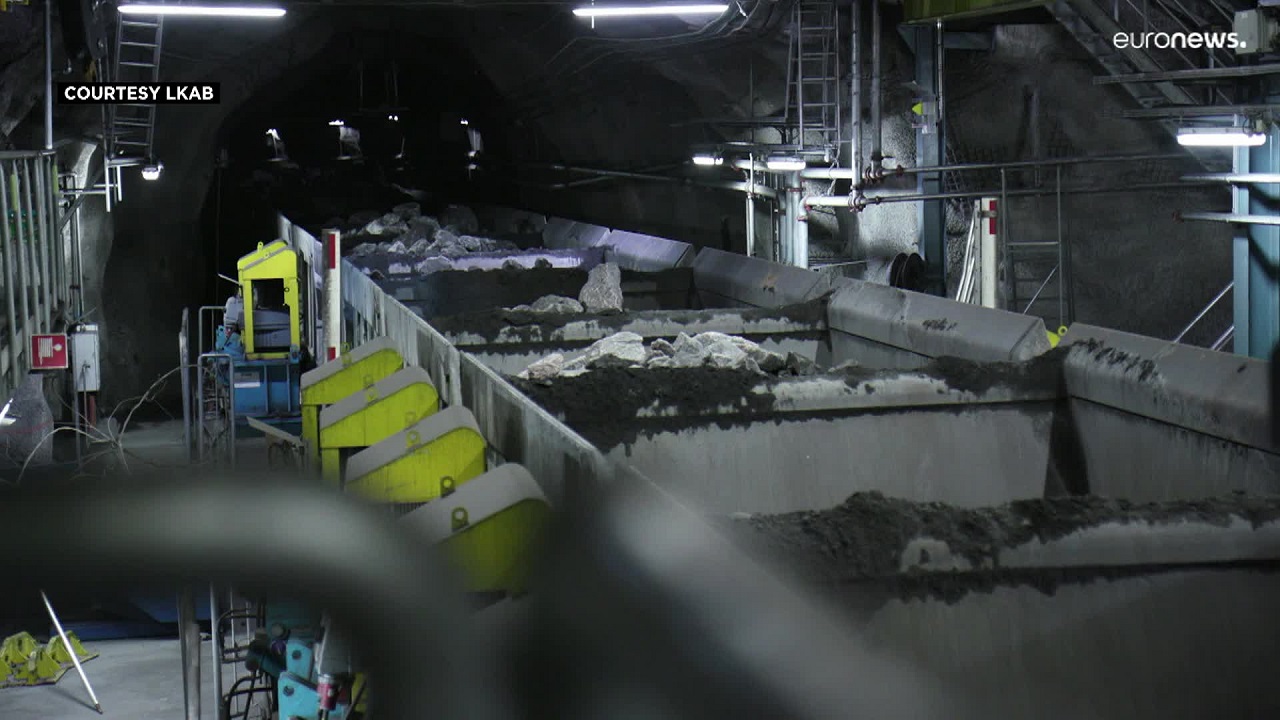

Swedish Company Develops Technology Capable of Producing Iron and Steel Based on Hydrogen, Avoiding the Emission of Tons of CO2 into the Atmosphere and Making the Steel Industry More Sustainable.
The Hydrogen Breakthrough Ironmaking Technology (Hybrit) project, which began focusing on the production of hydrogen-based iron and steel, is advancing with new results. This project aims to establish a fossil-free value chain from the mine to the finished steel product.
New Hydrogen-Based Iron Features Superior Properties
Recent tests conducted at the Research and Development plant and laboratory show that direct reduced iron (DRI) using hydrogen technology produces a product with significantly improved properties and quality.
The hydrogen-based iron and steel technology, carbon-free, with fuel reduction generated by the Hybrit technology at the pilot plant, is highly metallized and has advanced aging and mechanical properties compared to direct reduced iron using fossil-based reducing gas, such as natural gas.
-
Project Daedalus: The 190-Meter Spacecraft Aiming to Reach Another Star with Nuclear Fusion and a 50-Year Fuel Supply

-
Giant 2.2 km Device Sweeps Plastic from Pacific Ocean, Cleaning an Area the Size of a Football Field Every 5 Seconds to Contain World’s Largest Ocean Garbage Patch
-
Brazil’s Public Health System Launches Study on Semaglutide’s Impact on Obesity
-
NASA’s Giant “Space Flower” to Unveil Earth-like Planets by Blocking Distant Stars’ Light




According to the CTO of SSAB and a member of the Hybrit board, Martin Pei, the company is very pleased and proud of the consistency in good results and excited about the opportunities that hydrogen-based iron and steel can provide for the green transition of the steel industry. Due to years of work by the research team focused on this technology, it has become possible to make the hydrogen-based pathway to decarbonize steelmaking more accessible and efficient.
Advancements with the technology can reduce climate change. In June 2021, the initiative succeeded in generating the world’s first hydrogen-direct reduced sponge iron at the pilot plant developed with support from the Swedish Energy Agency.
By August of the same year, SSAB showcased the first fossil-free steel plate developed from hydrogen-reduced sponge iron, also produced at the company’s pilot unit in Lulea, Sweden.
European Union Makes Million-Euro Investments
The method has proven effective in decarbonizing iron extraction from ore in steel production and reversing the current rates of the climate crisis, responsible for approximately 7.2% of global greenhouse gas emissions.
The European Innovation Fund contributed €143 million to this project. The company states that the EU could invest much more in the technology to avoid losing more ground compared to competitors such as China and the U.S.
The company emphasizes that it is not interested in a trade war with the U.S. and does not want to engage in a race to see which side uses more state subsidies.
Mining Company Vale Also Focuses on Renewable Steel Production
In October of last year, Vale S.A and German steelmaker Stahi-Holding-Saar GmbH & Co. KGaA signed a memorandum of understanding to find solutions focused on renewable steel production.
With the memorandum already signed, Vale and SHS plan to study and explore several initiatives such as using Vale’s green briquettes of iron ore and direct reduction pellets in steelmaking, a briquette factory located near SHS facilities, and Tecnored technology.
According to the mining company, the initiative contributes to achieving its commitment to reducing 15% of scope 3 net emissions by 2035. Since 2021, Vale has engaged about 30 steel customers, representing around 50% of the company’s scope 3 emissions. With the memorandum, the companies are ready to shape the transition to green production. As such, green steel production is set to begin in 2027.