






 Portuguese
  Spanish


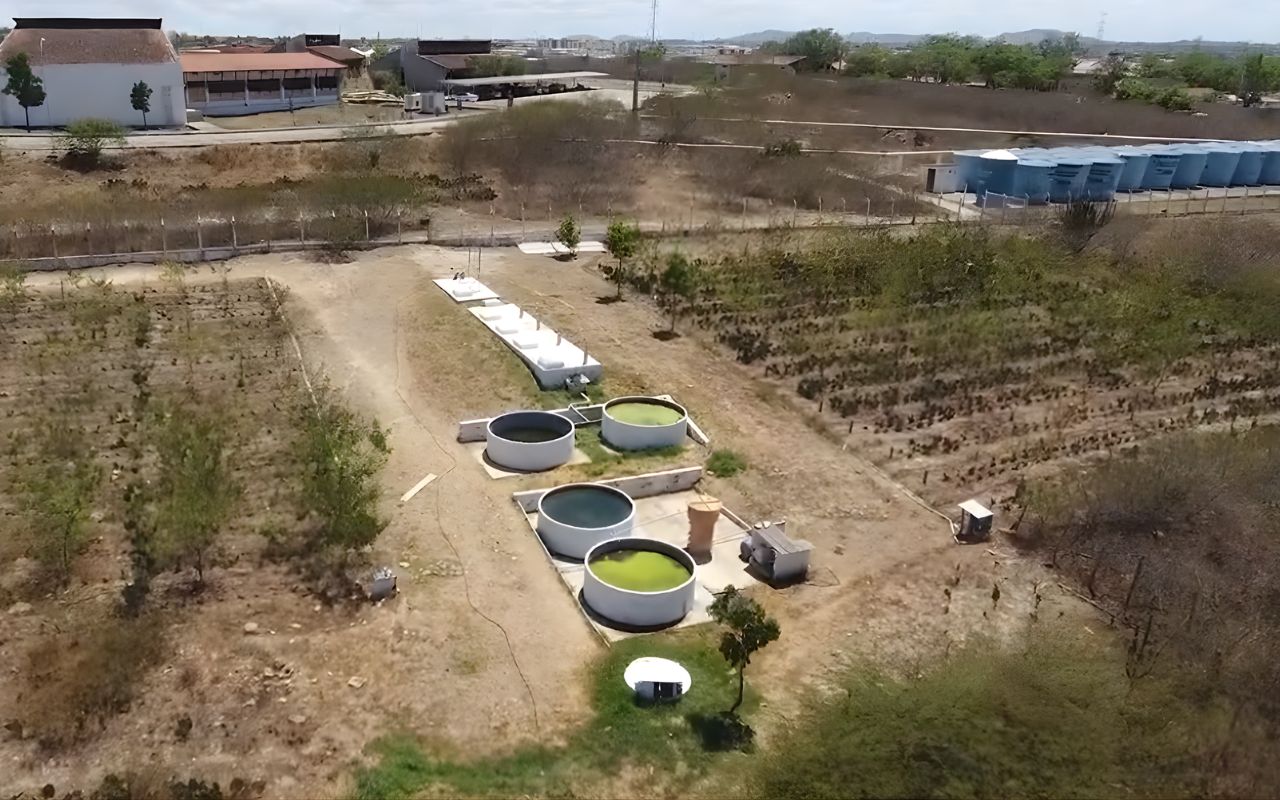


SARA System Treats Domestic Sewage, Transforms Wastewater into Reusable Water for Irrigation and Provides Rural Sanitation, Health, and Water Security to the Brazilian Semiarid Region.
The expansion of the SARA System (Environmental Sanitation and Water Reuse) has been reshaping the routines of rural communities in the Brazilian Semiarid. Between 2020 and 2024, 25 units were deployed in eight states, bringing basic sanitation and allowing the reuse of wastewater in agricultural production.
At the same time, another 32 structures are in the installation phase, with completion expected by 2027.
Since the initiative began, investments from the Ministry of Integration and Regional Development (MIDR) total R$ 3.5 million.
-
Longest Solar Eclipse of the Century Will Turn Day to Night for Over 6 Minutes, Allowing Star Gazing; Won’t Recur for 156 Years

-
Brazilian Researcher Develops Protein Supplement from Tilapia Waste, Combining Innovation and Sustainability with Economic Potential

-
Women in São Paulo Unknowingly Tracked by Coin-Sized Tags Hidden in Cars and Belongings, Raising Stalking Concerns
-
Near a $750 million AI data center in Brazil, a resident’s well runs dry, leaving her unable to afford the $25,000 needed for repairs.


SARA System Combines Sanitation and Water Security
Unlike traditional models, the SARA System was designed to operate simultaneously on two critical fronts: the treatment of domestic sewage and water reuse.
The technology is coordinated by the National Water Security Secretariat (SNSH), in partnership with the National Institute of the Semiarid (INSA/MCTI).
This integrated approach aims to provide a practical response to the environmental conditions of the region.
How Does the SARA System Work?
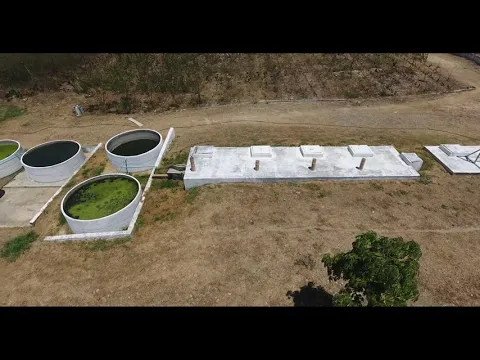
The process occurs in a decentralized manner. The sewage generated in households goes through collection and treatment stages until it reaches appropriate parameters for agricultural use.
After clarification, the water is directed to controlled irrigation of gardens, orchards, and small productive areas.
The model reduces environmental impacts and increases the use of resources already available on the properties.
Water Reuse Reduces Costs in Family Farming
In addition to ensuring access to water for irrigation, the system brings economic benefits. The nutrients present in the treated effluent help enrich the soil.
This reduces the need for chemical fertilizers, lowering expenses in rural production.
In areas marked by prolonged droughts, this savings becomes even more relevant.

Direct Impacts on Community Health
Open sewage, common in many rural areas, represents one of the main factors of environmental contamination.
With the SARA System, this scenario is replaced by an appropriate treatment model.
The change helps reduce the risks of waterborne diseases and improves local sanitary conditions.
Rose Edna Pondé, general coordinator of Instruments of the National Irrigation Policy at MIDR, emphasizes:
“With the implementation of SARA, we have eliminated open sewage and adopted a water reuse system that promotes health, preserves the environment, and strengthens production in the Semiarid.”
Where Has the SARA System Been Deployed?
The installed units are distributed across Alagoas, Bahia, Ceará, Minas Gerais, Paraíba, Pernambuco, Piauí, and Sergipe.
A total of 153 farming families have been directly served.
In rural schools, 586 students now have access to adequate sanitation and areas dedicated to food production.
Technology Adaptable to Different Realities
The SARA System can be implemented in three modalities. The family version serves individual households, while the school model is aimed at educational institutions and support for school meals.
The community structure encompasses several homes in the same locality.
This versatility expands the reach of the technology in different rural scenarios.
Affordable Investment and Prolonged Useful Life
The average implementation cost per family is estimated at R$ 13,4 thousand.
The expected useful life is approximately 20 years, with maintenance considered simple.
Technical studies indicate that the investment can be compensated in the first years, thanks to savings on water and agricultural inputs.
Reports from farmers indicate increased productivity and greater stability in production.
There are also records of reduced need to sell animals during drought periods.
Rose Edna Pondé summarizes this transformation:
“With SARA, the rural worker stops living with open sewage and starts living in a healthier, more productive, and dignified environment.”
The potential for replication allows the SARA System to be combined with other federal programs.
Among them, the Sweet Water Program, also coordinated by the National Water Security Secretariat.
This synergy enhances the impacts on water security, food production, and regional development.


