






 Portuguese
  Spanish
  3 min of reading
  0 comments


Know The 17 Minerals That Drive Technology, Feed Industries, And Spark Disputes Among Powers
The rare earths are a group of 17 chemical elements that have become indispensable for modern life.
Although the name suggests scarcity, they are scattered across various countries, but in such small concentrations that make extraction complex and expensive.
These elements, such as neodymium, lanthanum, cerium, and yttrium, power the technology industry, energy transition, and defense sector.
According to the United States Geological Survey (USGS), 70% of global production comes from China, which also dominates the refining and chemical separation stages, maintaining control over the global market.
What They Are And What They Are Used For
These metals have unique magnetic, luminescent, and electrochemical properties, being used in the manufacturing of permanent magnets, wind turbines, electric vehicles, satellites, chips, lasers, and smartphones.
Even in small quantities, their technological value is priceless. The magnets made with neodymium and praseodymium are powerful and durable, allowing for smaller and lighter equipment, which enhances energy efficiency.
This makes rare earths essential for reducing the weight of electric motors and increasing the range of battery-powered vehicles. In addition, medical devices, radars, and optical systems rely on them.
The Pentagon, in reports from 2023, classified these minerals as critical to the national security of the United States, which explains the growing international interest.
Why They Are Called Rare
Despite the name, rare earths are not scarce, but difficult to extract. They are often mixed with other minerals, requiring complex and costly chemical processes for separation and purification.
According to the USGS, the largest known reserves are in China, Brazil, Australia, and India. The Bayan Obo mine in northern China concentrates huge volumes of elements used in permanent magnets, surpassing the reserves of Australia (Mount Weld) and Greenland (Kvanefjeld).
China’s dominance in refining and exporting these elements means that the US and Europe depend heavily on the Asian country, increasing global geopolitical tension.
-
Helicopter Drops 180 Tons of Sand and Gravel on Swedish River to Revive Ecosystem Damaged by Decades of Exploitation

-
Brazilian Company Launches Retro Smartphone with 48 MP Camera, T9 Keyboard, and Privacy Features for Social Media-Free Use

-
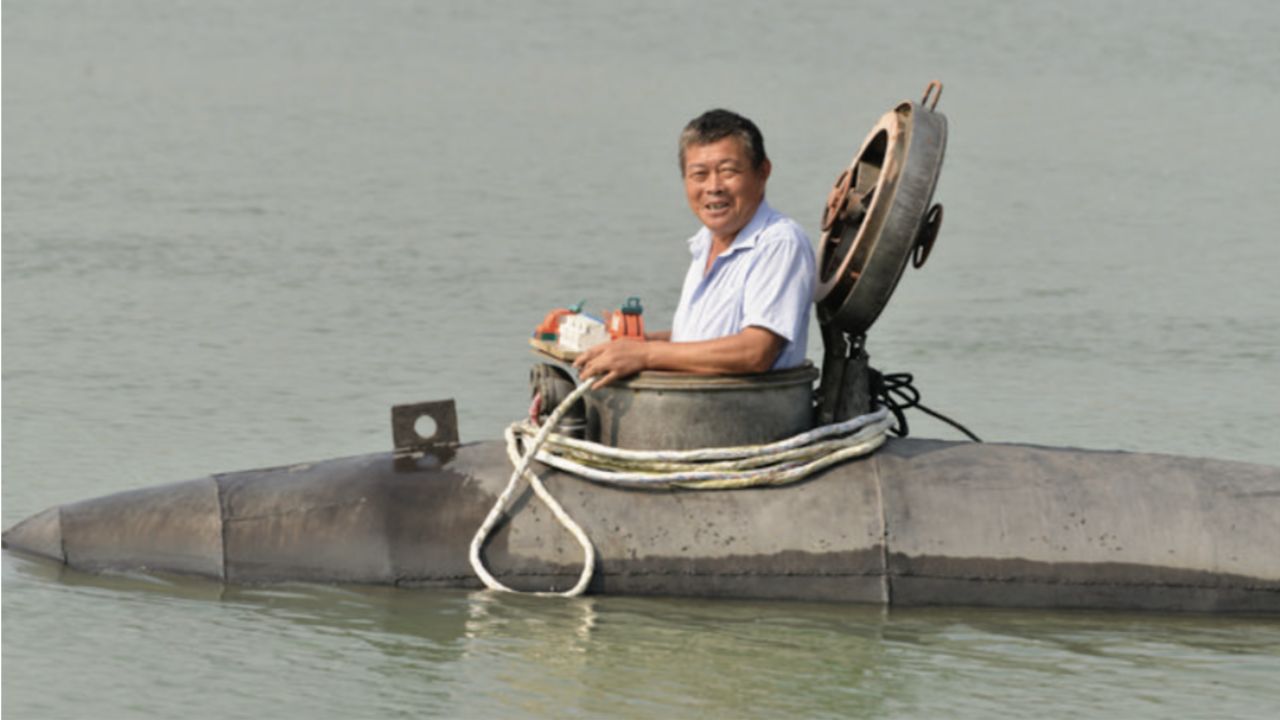
Self-Taught Chinese Farmer Builds 5-Ton Submarine from Scrap, Launches It in Anhui River
-
Invisible Induction Technology Enables Wireless Power for Blenders, Coffee Makers, and Air Fryers, Reducing Countertop Cables




The Role Of Brazil
Brazil Has The Second Largest Rare Earth Reserve In The World, according to the Ministry of Mines and Energy (MME).
The country holds about 25% of known deposits, located mainly in Goiás, Minas Gerais, Bahia, Amazonas, and Maranhão. The Minaçu (GO) is one of the few regions outside Asia with commercial scale production, through deposits in ionic clay.
Additionally, studies from the University of São Paulo (USP) indicate high mineral potential in the Rio Grande Elevation, a submerged formation 1,200 km off the coast of Rio Grande do Sul, rich in critical minerals.
The Brazilian government, in partnership with the United Nations (UN), seeks to recognize this area as a natural extension of the territory, expanding its sovereignty over strategic resources.
Global Interest
The United States, Amid Trade Stalemates Since 2024, Is Negotiating With Brazil And Other Countries For Access To Strategic Reserves.
In July 2025, the Brazilian Mining Institute (Ibram) confirmed meetings with representatives from the US Embassy, interested in agreements for controlled supply of these minerals.
Meanwhile, the European Union, in 2023, approved the Critical Raw Materials Act, with goals to reduce Chinese dependence by 65% by 2030. However, China continues to lead the value chain, from refining to export.
This concentration of power raises alarms about the future of global energy and technological transition.
Why They Drive The World
In the era of clean energy and digitalization, rare earths are the invisible heart of modern technology.
They sustain everything from wind turbines to smartphones and electric vehicles, connecting industries and driving economies.
For this reason, controlling their production is controlling the future.
Thus, while Brazil consolidates its reserves and the world seeks new sources, one question remains:





-

-

-

3 people reacted to this.