






 Portuguese
  Spanish


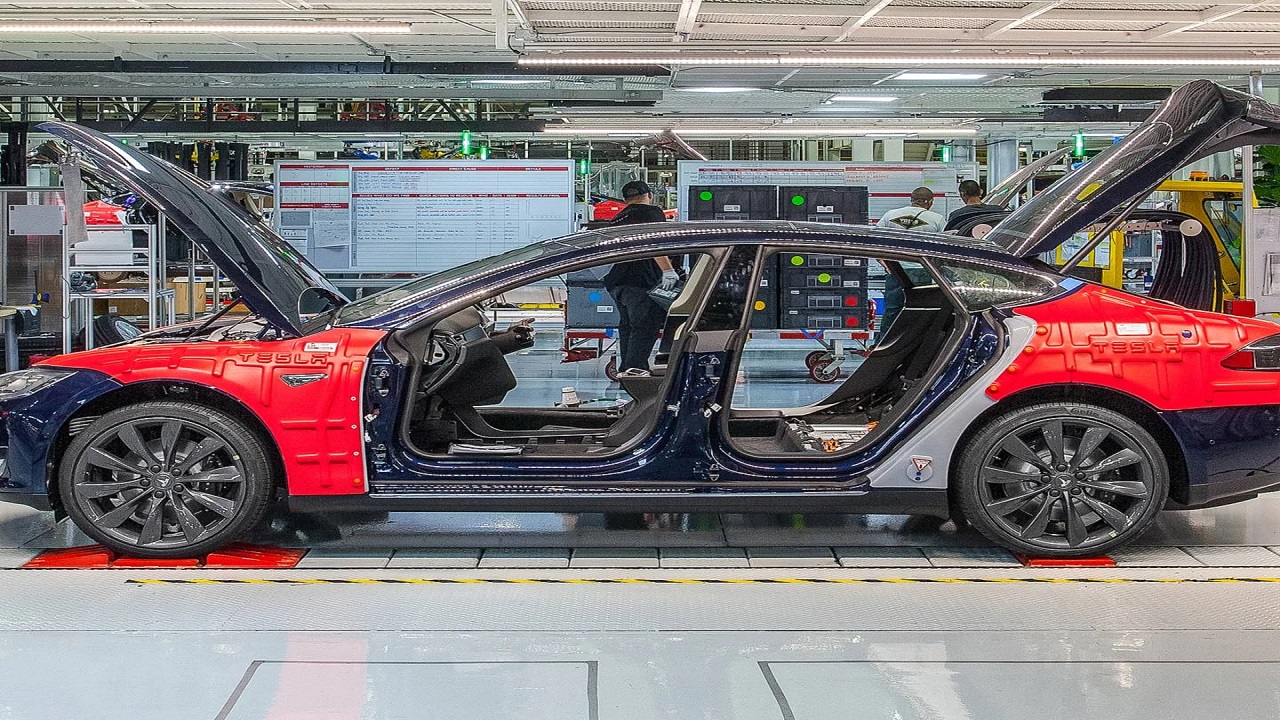

Elon Musk, CEO of Tesla, Says That The New Manganese Battery May Be The Key To Scaling Production Of Electric Cars And Making Them More Affordable.
In a speech to Tesla employees at the Berlin Gigafactory during the factory’s opening ceremony, Elon Musk confirmed that his team is exploring manganese as a material for new batteries. According to the businessman, the studies aim to scale the batteries of electric cars to the 300 terawatt-hours of annual production necessary to achieve sustainable transportation, but alternatives to affordable LFP battery materials will be needed for that.
Elon Musk Advocates For The Use Of Manganese-Based Electric Vehicle Batteries
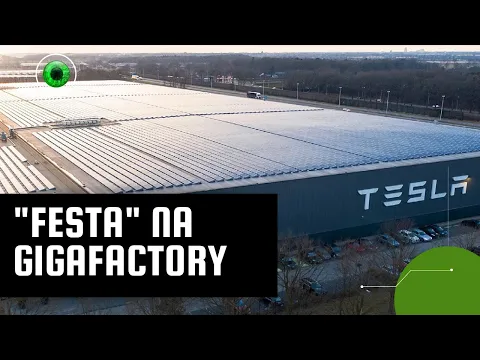

Elon Musk has been an advocate for the use of manganese as a cathode material in electric vehicle batteries, and he reiterated his preferences during the opening ceremony of the Tesla Gigafactory Berlin.
When asked about the potential of manganese as a battery manufacturing material in a speech before the employees of the German Gigafactory, Elon Musk responded as follows: “I think there is interesting potential for manganese.”
-
2027 Toyota Corolla Cross Unveiled: New Design, Enhanced Fuel Efficiency, Reduced Maintenance Costs, Advanced Technology, Connected Services, and Up to 10-Year Warranty

-
Fiat Cronos Precision 2018: Affordable Sedan with Spacious Trunk and Reliable Maintenance
-
Volkswagen to Cut Production by 1 Million Cars by 2030, Reducing Jobs and Platforms, Focusing on More Profitable Models

-
Toyota Launches First 100% Electric Car in Brazil: bZ4X with 343 HP, All-Wheel Drive, 361 km Range, Priced at $419,990 BRL, Limited to 99 Units



This is not the first time that Tesla’s CEO mentioned exploring manganese as an alternative to the current iron or phosphorus the company uses in LFP batteries for its standard vehicles. According to Musk, the world will need nothing less than 300 terawatt-hours (TWh) of battery cell production at some point to completely shift away from fossil fuels. This scale can only be achieved with cheap and abundant materials like those used in manganese-based batteries.
Nickel Prices Soar And Elon Musk Studies The Possibility Of Manganese-Based Batteries
The recent skyrocketing increase in nickel prices due to the Russian invasion of Ukraine only proved that Tesla’s CEO was right, as the common nickel-cobalt-aluminum battery materials used in long-range electric vehicles are anything but cheap and abundant.
That’s why Elon Musk wants to add manganese to the iron and phosphorus used to produce batteries for more affordable electric cars in order to ultimately have a chance to reach the hundreds of TWh/year of production needed on the path to sustainable transportation.
Tesla is already using manganese in some of its Powerwall battery cells, but at the opening ceremony of the Berlin Gigafactory, Tesla’s CEO, Elon Musk, stated that it can and should become a viable alternative to the common battery materials currently used, as “on a large scale, we need tens, perhaps hundreds of millions of tons. So, the materials used to produce these batteries at scale need to be common materials or you can’t scale,” the businessman emphasized.
In 2020, Tesla CEO Already Spoke About The Use Of Manganese For Battery Production
Although this may have surprised some, Electrek reminds us that Musk spoke about manganese at the company’s Battery Day in 2020 when he was revealing the concept of Tesla’s 4680 battery cell. Musk shared: “It’s relatively simple to make a cathode with two-thirds nickel and one-third manganese, which will allow us to produce 50% more volume of cells with the same amount of nickel.”
In addition to the previous comment and the mention of manganese in his recent speech, not much is known about Tesla’s potential for future manganese-based batteries.
However, the CEO made it clear that for Tesla to scale massively, it needs to use common materials. According to Electrek, Tesla is not the only company studying the use of manganese for batteries. Many research groups have already published studies on using manganese-based batteries for higher energy density and cost reduction.







