





 Portuguese
  English
  Spanish
  4 min of reading
  0 comments


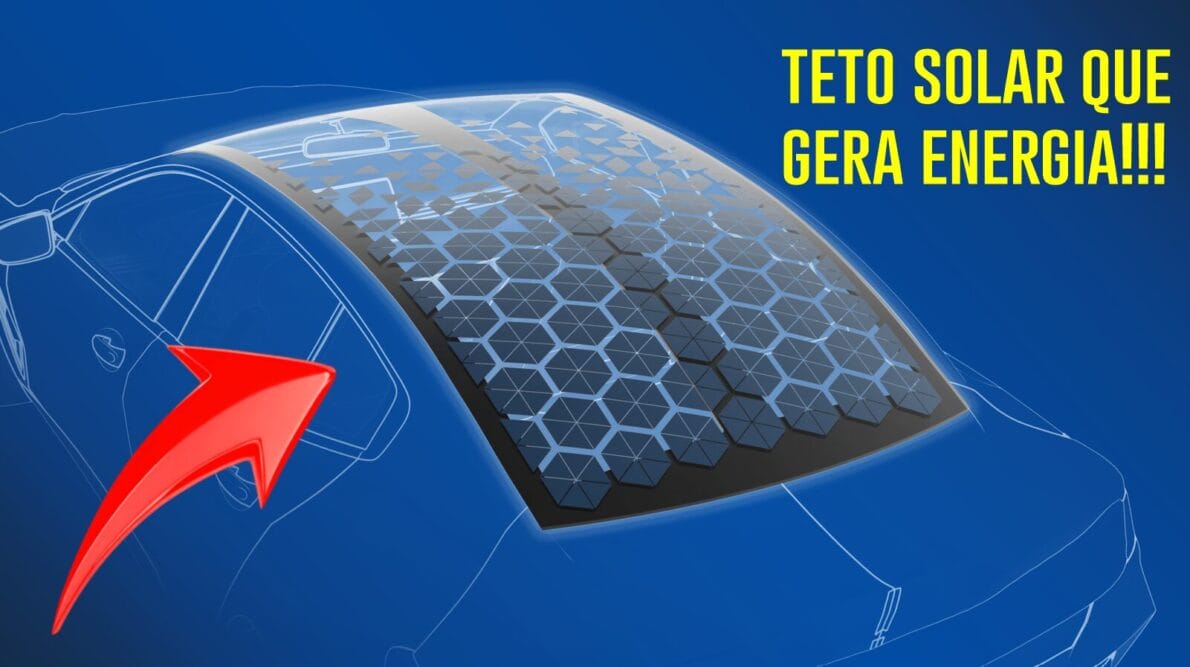
The German Company Created an Integrated Solar System in Windows and Roofs of Electric Cars, Providing Additional Range of Up to 2,500 Km Per Year
The German company Webasto, a global reference in automotive systems, has developed a new concept for solar roofs for electric cars that promises to revolutionize sustainable mobility. The system, called “EcoPeak“, is an innovative solution that not only integrates solar energy directly into the vehicle but also uses 80% sustainable materials.
This advancement can offer up to 2,500 km of additional range per year, representing significant savings in energy consumption and a reduction in environmental impact.
Innovation With Sustainability for Electric Cars
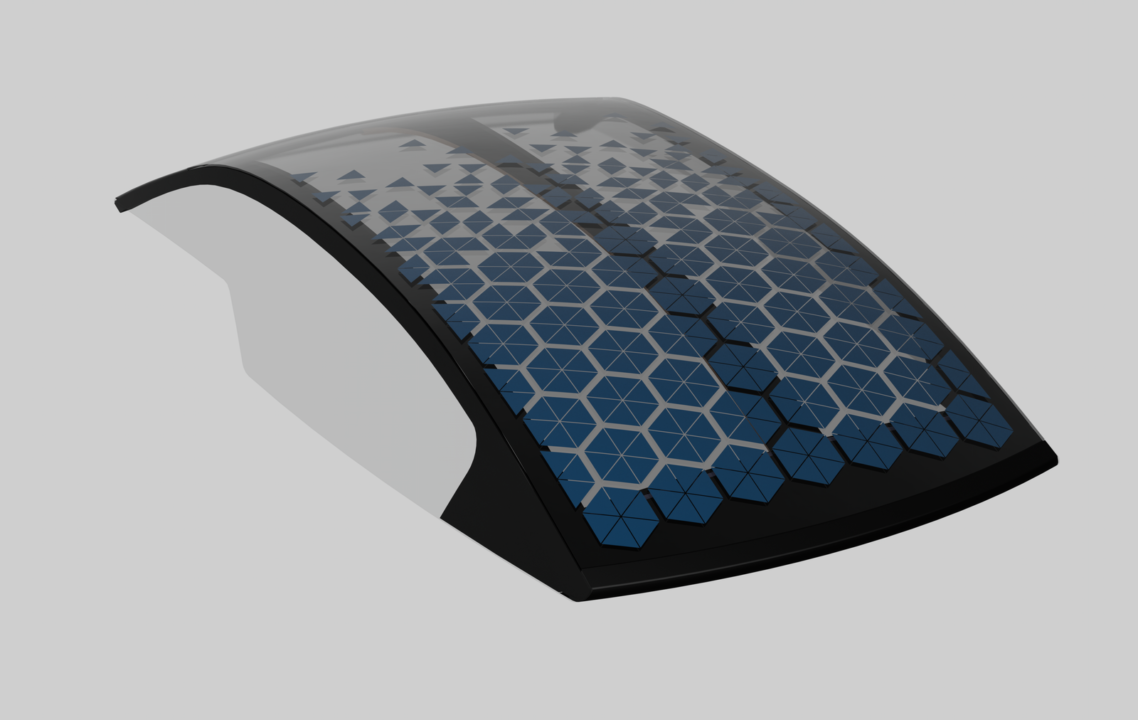
Webasto aims to reduce CO₂ footprint both in the production and operation of vehicles. To achieve this, the “EcoPeak” roof is designed with recycled materials balanced with biomass, ensuring that the resources used are renewable and have a low environmental impact.
-
GOODBYE TO DELAYS? BYD faces a surge in orders after launching technology that recharges electric cars in just minutes

-
Nissan Kait arrives costing less than R$ 100,000 in May and enters into direct competition against Pulse, Kardian, WR-V, and Tera in Brazil.

-
Electric car priced at R$ 69,000 may be manufactured alongside the Spark EUV in Brazil and threatens to revolutionize the national entry-level market.
-
GWM Haval H6 flex hybrid arrives with giant range, dual-fuel engine, and premium technology to challenge Corolla Cross and Compass in Brazil
Additionally, the design incorporates solar cells capable of generating up to 350 kWh of electricity annually, directly contributing to the vehicle’s range.
This concept not only provides greater energy efficiency but also represents an important step towards reducing dependence on fossil fuels and external energy sources.
The energy generated by the solar cells integrated into the roof can be used to power the vehicle’s systems, reducing the need for frequent recharging.
Weight Reduction and Greater Efficiency
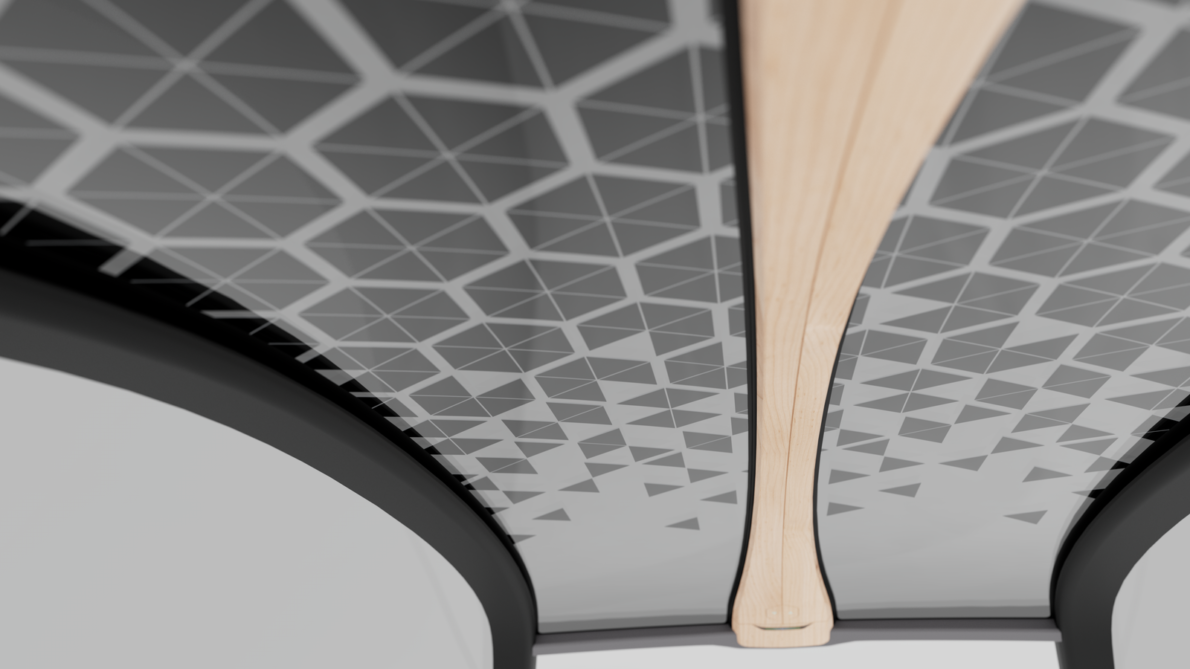
The use of sustainable materials, such as biomass-balanced polycarbonate, allows the roofing system to be up to 40% lighter than conventional aluminum solutions. This translates into greater fuel efficiency and better driving dynamics.
Even with the weight reduction, the durability of the “EcoPeak” system remains at elevated levels, meeting Webasto’s stringent quality standards.
This weight reduction has a direct impact on the efficiency of electric cars, as lighter vehicles consume less energy to move.
Moreover, with the incorporation of recycled materials, Webasto reaffirms its commitment to the circular economy, reducing waste and extending the lifespan of resources.
Intelligence in Using Light and Shade
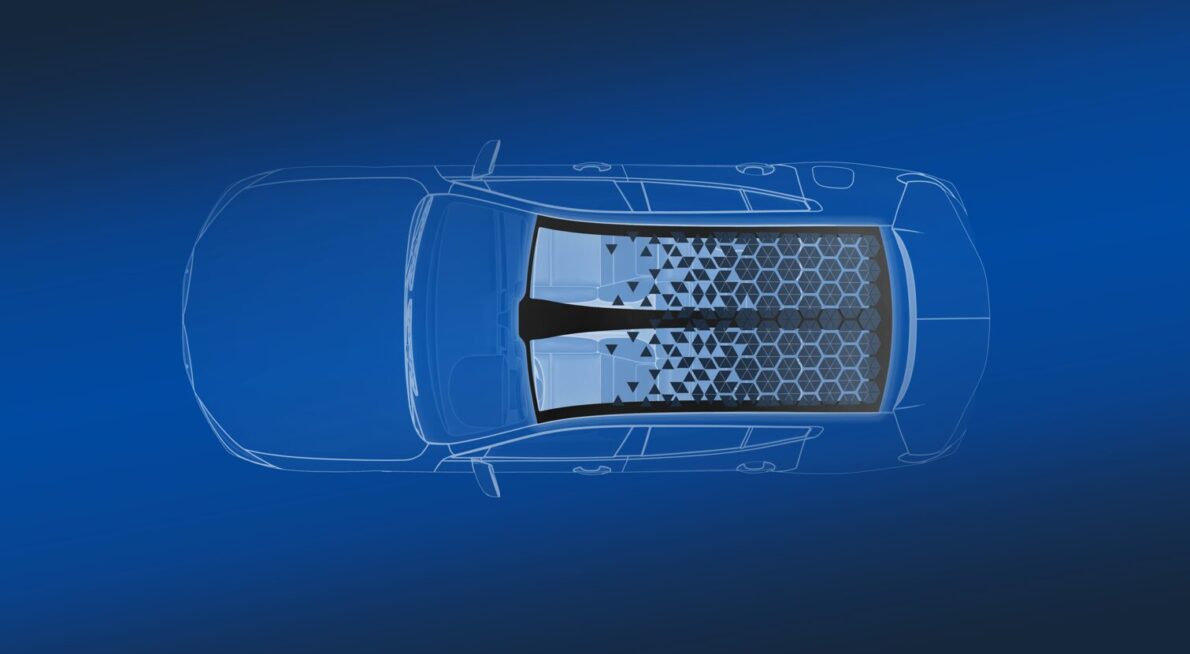
The “EcoPeak” roof covers both the top area of the car and the rear window, offering a larger surface for solar energy capture.
This expansion allows maximum use of available sunlight, regardless of the vehicle’s position. Additionally, the roof incorporates blinds made from recycled PET fabric, reinforcing the sustainability of the system.
The use of these blinds also provides an intelligent way to regulate light entry inside the vehicle, increasing passenger comfort and helping to maintain the ideal temperature in the car.
In this way, the system not only contributes to energy efficiency but also enhances the driving experience and comfort for occupants.
Less Emissions, More Range
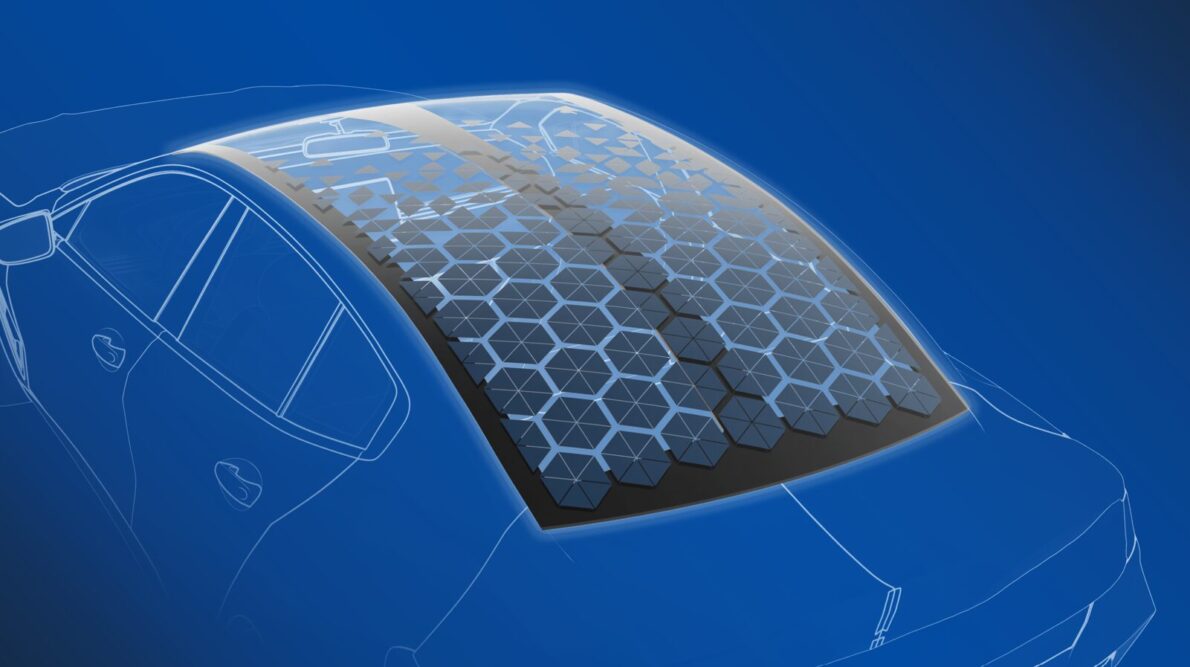
The conceptual study developed by Webasto shows a reduction of up to 50% in CO₂ emissions compared to traditional roofing systems. This is made possible by the combination of lightweight design, use of sustainable materials, and the integration of solar cells.
According to Jan Henning Mehlfeldt, a member of Webasto’s Board of Directors, “The expanded area of our roof concept has a significant impact on the global CO₂ footprint of vehicles.”
The reduction in emissions is not limited only to the production phase but also throughout the vehicle’s lifespan, as the “EcoPeak” system generates clean energy directly from the sun.
This advancement reflects Webasto’s commitment to developing innovative solutions that not only benefit the environment but also meet consumer expectations for sustainable and efficient products.
Solar Energy and Electric Cars: A Promising Future for Mobility
The use of solar energy in automobiles is becoming an increasingly relevant trend in the mobility sector. With the “EcoPeak” roof, Webasto bets on the growth of this area, offering a solution that not only reduces dependence on external energy but also promotes the use of renewable sources.
In a global context where the search for clean energy sources is a priority, innovations such as the “EcoPeak” solar system represent a crucial advancement towards the transition to electrification and sustainability in transportation.
The fact that the roof generates up to 350 kWh per year may seem small at first, but in the long run, this energy contribution has the potential to considerably reduce total energy consumption.
A Step Towards the Future
Webasto’s innovation demonstrates that it is possible to unite modern design, energy efficiency, and sustainability in a practical solution for the automotive industry.
With the “EcoPeak” roof, not only electric car manufacturers but also consumers will be able to enjoy technology that promotes clean and sustainable mobility.
This innovative solution is yet another example of how the industry is adapting to environmental needs and consumer desires for greener products.
By integrating solar energy directly into vehicles, Webasto paves the way for a future where sustainability is not just a differentiator but a fundamental part of the automotive experience.






Be the first to react!