Portuguese
  Spanish


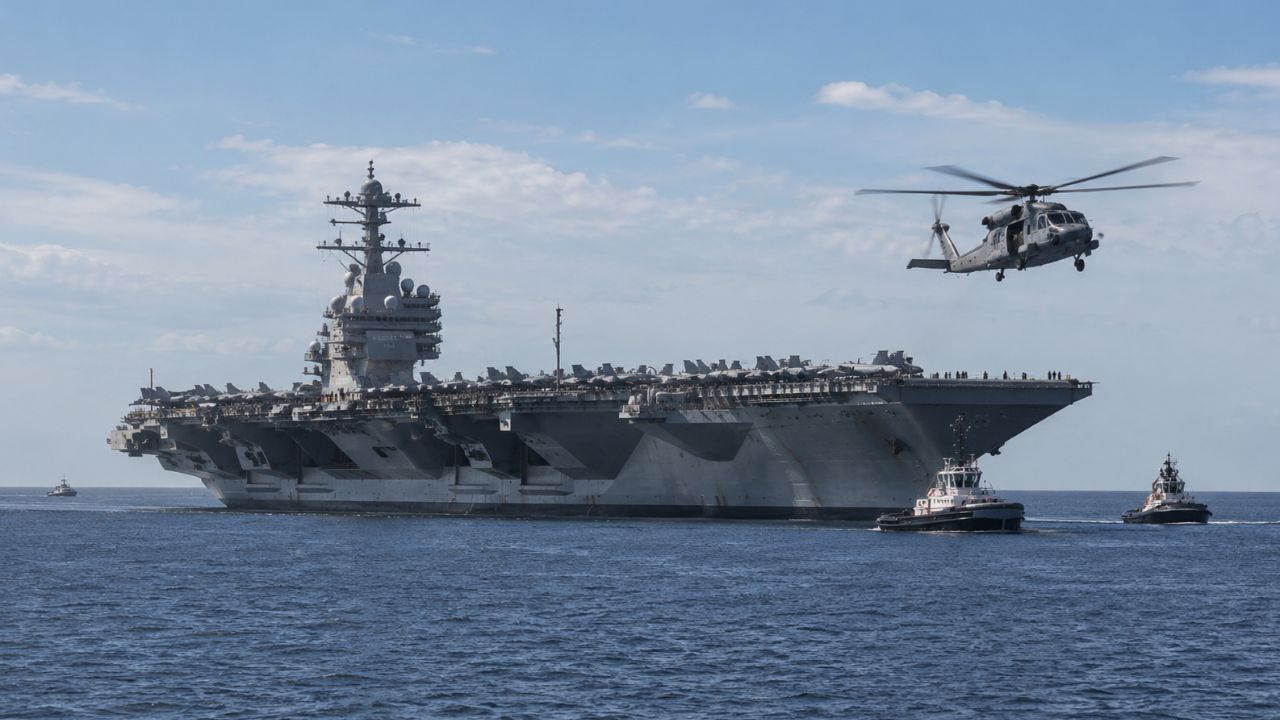

The USS Gerald R. Ford made history with a 316-day mission. Check out the details of the return of the Navy’s most modern aircraft carrier and its operational milestones.
The naval American scene records a new historical milestone with the return of the USS Gerald R. Ford (CVN-78) to its base in Virginia. After crossing the Strait of Gibraltar this week, the ship officially concluded a 316-day deployment, becoming the longest mission of a United States aircraft carrier since the end of the Vietnam War.
With this achievement, the Ford surpassed the previous record set by the USS Abraham Lincoln in 2020, which remained in operation for 294 days. The journey, which began on June 24, 2025, tested not only the durability of the machine but also the human endurance of the approximately 4,500 sailors on board, according to information from Poder Naval.
The carrier strike group is expected to dock in Norfolk by the end of May 2026, when the crew will finally conclude nearly 11 months of continuous vigil. For Acting Secretary of the Navy, Hung Cao, the mission’s success reflects the absolute dedication of the military personnel involved.
-
U.S. Navy’s Ticonderoga-class Cruiser Becomes a 9,800-Ton Missile Fortress with Advanced Aegis System Capable of Tracking Hundreds of Targets

-
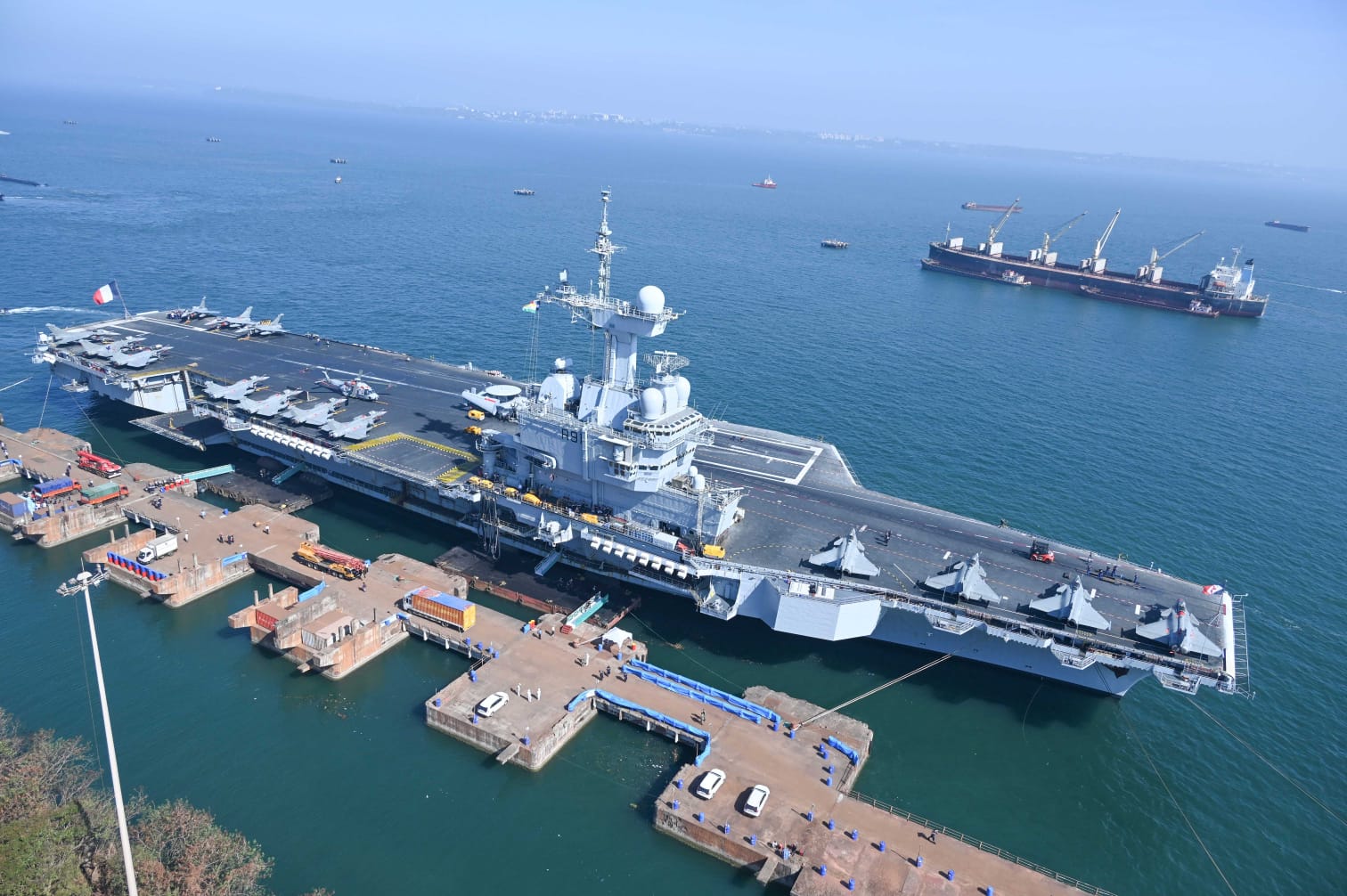
France’s Charles de Gaulle: The Sole Nuclear-Powered Aircraft Carrier Outside the US, Weighing 42,500 Tons and Equipped with Two Atomic Reactors

-
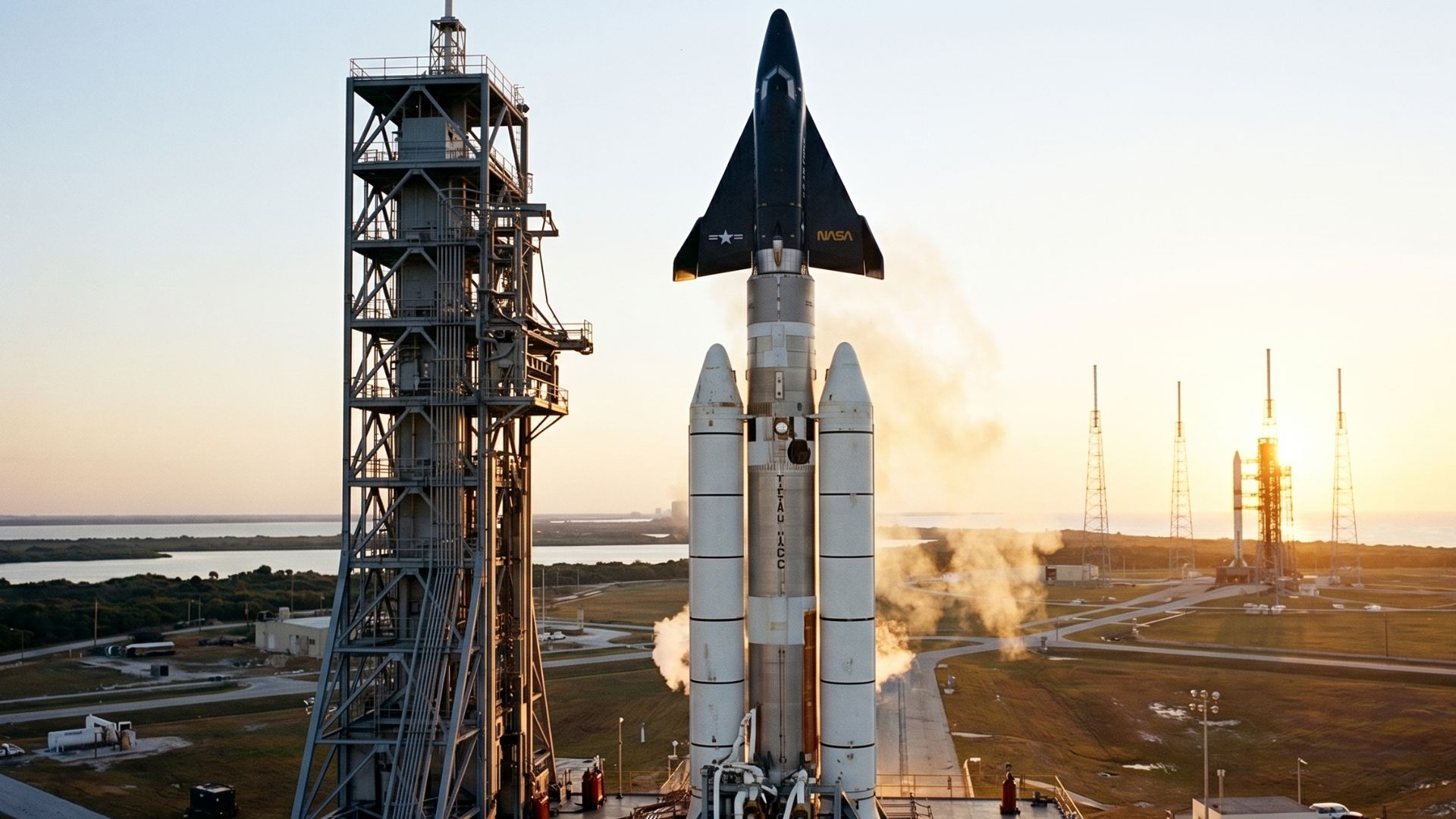
The military spaceplane that almost took the Cold War into orbit: Boeing X-20 Dyna-Soar was designed to re-enter above Mach 20, fly for up to 40 hours, land like a plane, and transform Titan rockets into a gateway to a new era of orbital warfare.
-
FAB bets on national drones and increases investments to strengthen the Brazilian aerospace industry



Operations in multiple locations
The prolonged stay at sea was dictated by an agenda of global crises that required the aircraft carrier’s presence in three distinct regions.
The USS Gerald R. Ford acted as a tool of diplomatic and military pressure in various contexts:
- Caribbean: Integrated into “Operation Southern Spear,” reinforcing U.S. presence and acting strategically against Nicolás Maduro’s regime in Venezuela.
- Middle East: Operated in the Red Sea and Eastern Mediterranean to contain Iran’s influence.
- Direct Attacks: Provided fundamental air support in “Operation Epic Fury,” which struck targets linked to Iranian forces.
Throughout its trajectory, the security of the aircraft carrier and its 75 aircraft was ensured by an escort that included the destroyers USS Winston S. Churchill and USS Bainbridge. Thus, the ship proved its versatility by rapidly transitioning between regional surveillance missions and active combat operations.

Internal challenges and incidents during the journey
Despite the strategic success, the 316-day mission was marked by incidents that highlighted the wear and tear of such a long operation. In March 2026, a considerable fire broke out in the laundry room of the USS Gerald R. Ford. The fire caused internal damage and forced the displacement of hundreds of sailors from their original quarters.
Therefore, the ship had to carry out temporary repairs in the middle of the Mediterranean to maintain its functionality without interrupting critical operations in the Middle East. On the other hand, this record time at sea also served to collect real data on the behavior of its structure under prolonged stress, something essential for the future of the Ford class.

The Billion-Dollar Technology of the USS Gerald R. Ford
The USS Gerald R. Ford is the ultimate exponent of a new lineage of super aircraft carriers. Unlike Nimitz-class ships, it uses the EMALS electromagnetic system to launch aircraft, which, theoretically, allows for a much greater number of takeoffs per day.
However, the path to get here has been arduous and extremely expensive:
- Total Cost: Between construction, research, and development, the project’s value exceeded US$ 37 billion.
- Technical Problems: There were persistent failures in the EMALS catapults and magnetic ammunition elevators.
- History: The keel was laid in 2009 and the ship was christened in 2013, but commissioning only occurred in 2017.
- Readiness: Its first real combat mission only happened in 2023, after years of testing and adjustments.
After returning to Norfolk, the ship will undergo an exhaustive technical review and a prolonged maintenance period.
Thus, the $13.3 billion construction cost giant prepares for the necessary repairs after writing its name in the historical records of the contemporary Navy.
With information from Poder Naval