






 Portuguese
  Spanish


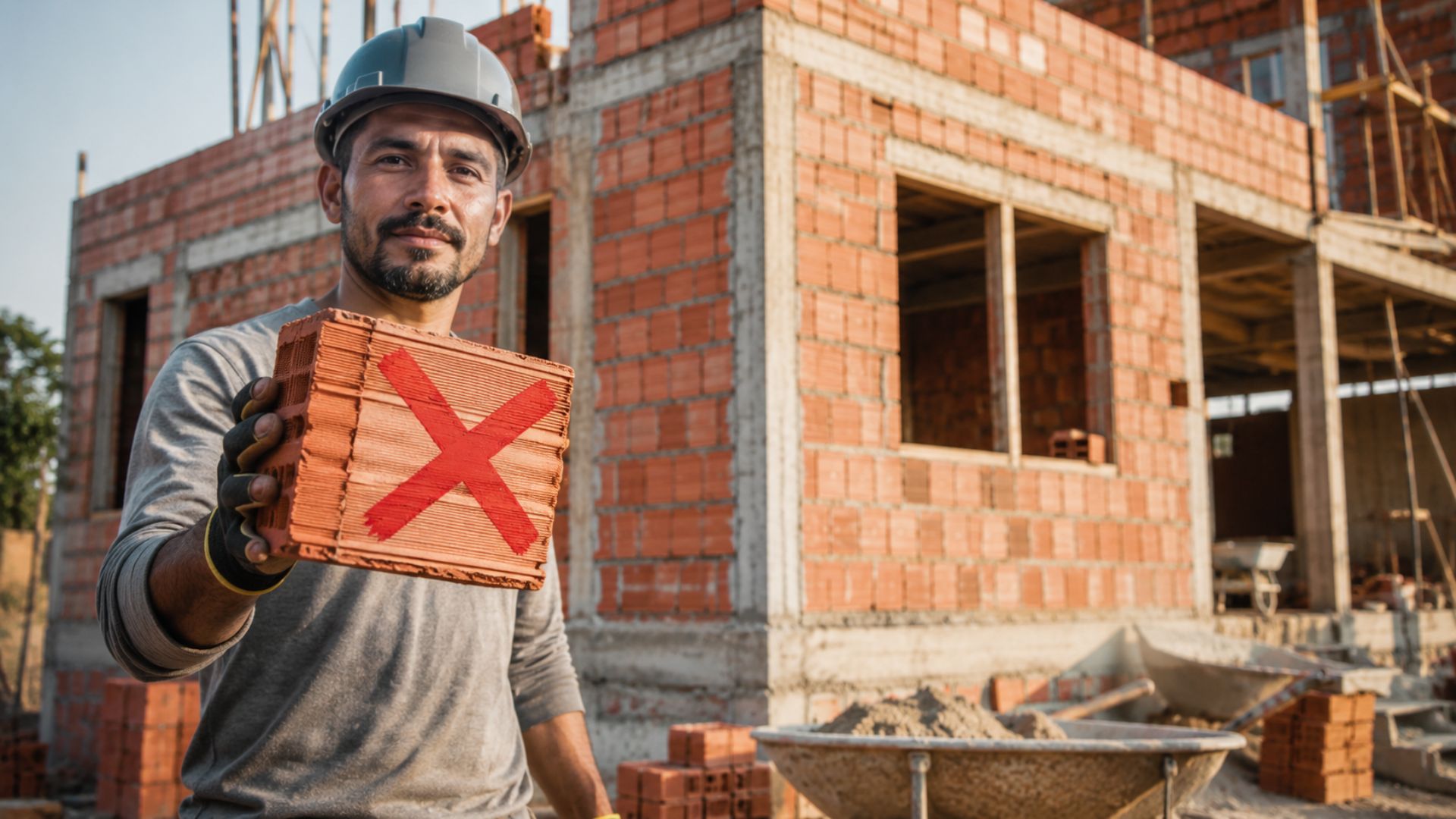
Industrialized methods accelerate construction, reduce debris on site, and increase control over materials, deadlines, and finishes in residential and commercial projects. Systems like Steel Frame, concrete walls, and pre-fabricated modules gain ground by minimizing losses and simplifying traditional construction stages.
The pursuit of faster construction with less waste has expanded the use of industrialized wall systems in Brazilian civil construction, especially because these methods reduce time-consuming site stages and decrease the volume of waste generated during execution.
Among the most widely used alternatives currently are Light Steel Framing, on-site molded concrete walls, and pre-molded or modular components, solutions that arrive at the construction site with more detailed planning and help reduce improvisation during assembly.
Industrialized systems gain ground in civil construction
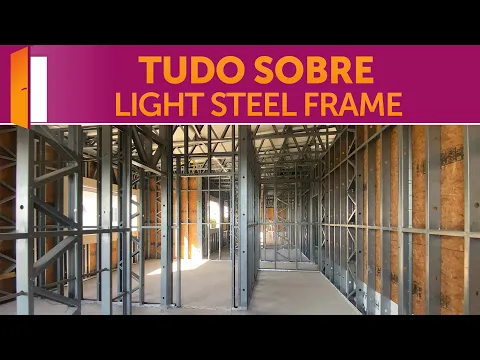
In Light Steel Framing, light galvanized steel profiles form the structure of the walls, which then receive closing panels, insulation, and installations compatible with the architectural, structural, electrical, and hydraulic designs previously defined for the construction.
-
Canadian City Builds 8 Tiny Homes in 72 Hours for Homeless Youth, Plans 40 Affordable Houses for Female-Led Families Amid Housing Crisis

-
45-year-old Brazilian mother of 9 and grandmother of 12 receives 27 m² house made from recycled plastic, built in 15 hours with interlocking blocks and a recycled roof.
-
Ireland Installs 654 Modular Homes to Shelter 2,640 Ukrainian War Refugees, Offering a 60-Year Guarantee and a Model for Future Housing Crises
-
Sagrada Família Becomes World’s Tallest Church at 172.5 Meters, Surpassing German Church with Gaudí’s Design




In addition to accelerating assembly, the system reduces dependence on mortar, water, and improvised cuts on site, as most pieces can arrive ready for installation, contributing to a cleaner, more organized, and predictable construction.
For on-site molded concrete walls, the approach takes a different path to achieve productivity: forms are positioned according to the design, receive pre-planned reinforcements and installations, and are then filled with concrete.
After concreting, the structure already assumes sealing and resistance functions, reducing subsequent stages that would normally be necessary in conventional systems with blocks, pillars, beams, scratch coat, brown coat, and finish coat applied separately.
Faster construction without rework stages
Much of the difference lies precisely in the execution sequence adopted on site, as industrialized systems eliminate repetitive processes and reduce the time spent on corrections throughout the construction.
In traditional construction, for example, the wall typically undergoes block laying, mortar curing, opening of chases for installations, and only then receives closure of these points and application of coatings.
On the other hand, industrialized systems require important decisions to be anticipated during the design phase, including conduit routing, location of plumbing points, installation of frames, structural reinforcements, and panel layout.
With this more detailed planning, interferences between teams decrease, and the need to break newly executed walls to correct forgotten or misplaced installations tends to fall considerably during construction.
In the case of concrete walls, demolding can occur in a short period, often close to 24 hours, provided that the concrete mix, design, curing conditions, and technical resistance criteria are respected.
Reduced waste and less debris on site

Another factor that helps explain the advancement of these methods is the reduction in material waste, a result of the combination of more detailed designs, standardized parts, and less reliance on manual cuts made directly on site.
Meanwhile, in conventional masonry, mortar waste, broken blocks, rework, and openings for installations end up increasing the volume of debris and raising costs for transport, dumpsters, and proper disposal of waste.
With methods like Light Steel Framing and prefabricated systems, components arrive closer to their final dimensions, which reduces waste and the need for improvised adjustments during assembly.
Even so, loss percentages vary according to the project, team, logistics, suppliers, and technical supervision, so general estimates should be treated as a reference and not as an automatic guarantee for any construction project.
Technical planning influences construction project results
Even with gains in productivity and waste reduction, the adoption of these systems does not eliminate the need for rigorous technical planning before construction begins.
In practice, architects, engineers, installers, and suppliers need to work in a more integrated way to avoid incompatibilities that could compromise the schedule, finish, and performance of the building.
Site-cast concrete walls have a technical reference in ABNT NBR 16055, while Light Steel Framing relies on ABNT NBR 16970, a standard for systems with cold-formed light steel profiles and thin sheet coverings.
In practice, time savings appear when the executive project is complete, the team knows the method, and materials arrive at the construction site according to the defined schedule.
When these requirements fail, the technology loses some of its advantage, because late adjustments can compromise productivity, finish, acoustic performance, thermal performance, and compatibility of installations.

Construction cost goes beyond material price
Compared to conventional masonry, the final cost should not only consider the material value per square meter, because part of the savings can appear in factors such as reduced project duration, less waste, and less rework.
Furthermore, this calculation includes aspects such as component transportation, availability of specialized labor, distance from suppliers, chosen finishing standard, and performance requirements foreseen for each type of construction.
In repetitive works, such as housing complexes, standardized modules, and large-scale developments, industrialization tends to gain more efficiency because the process is repeated and reduces variations.
For small renovations or highly customized projects, the analysis needs to be done on a case-by-case basis, with a detailed budget and technical responsibility, to avoid generic promises that are not confirmed on site.
Industrialized construction increases predictability in projects
More than just accelerating the schedule, these systems change the traditional logic of the construction site by transferring part of the decisions and preparation to the design and component manufacturing stage.
Because of this prior organization, projects with industrialized walls can reduce debris, minimize rework, and progress more quickly, without depending on the slow sequence of laying, breaking, correcting, and coating typical of conventional methods.
The result, however, depends on compatibility, qualified suppliers, execution according to standards, and technical monitoring during all stages, especially in connections, installations, and interfaces between systems.
As civil construction seeks productivity and waste reduction, wall systems with greater industrialization tend to occupy more space, especially in projects that require schedule control, cleanliness, and cost predictability.


Be the first to react!