






 Portuguese
  Spanish


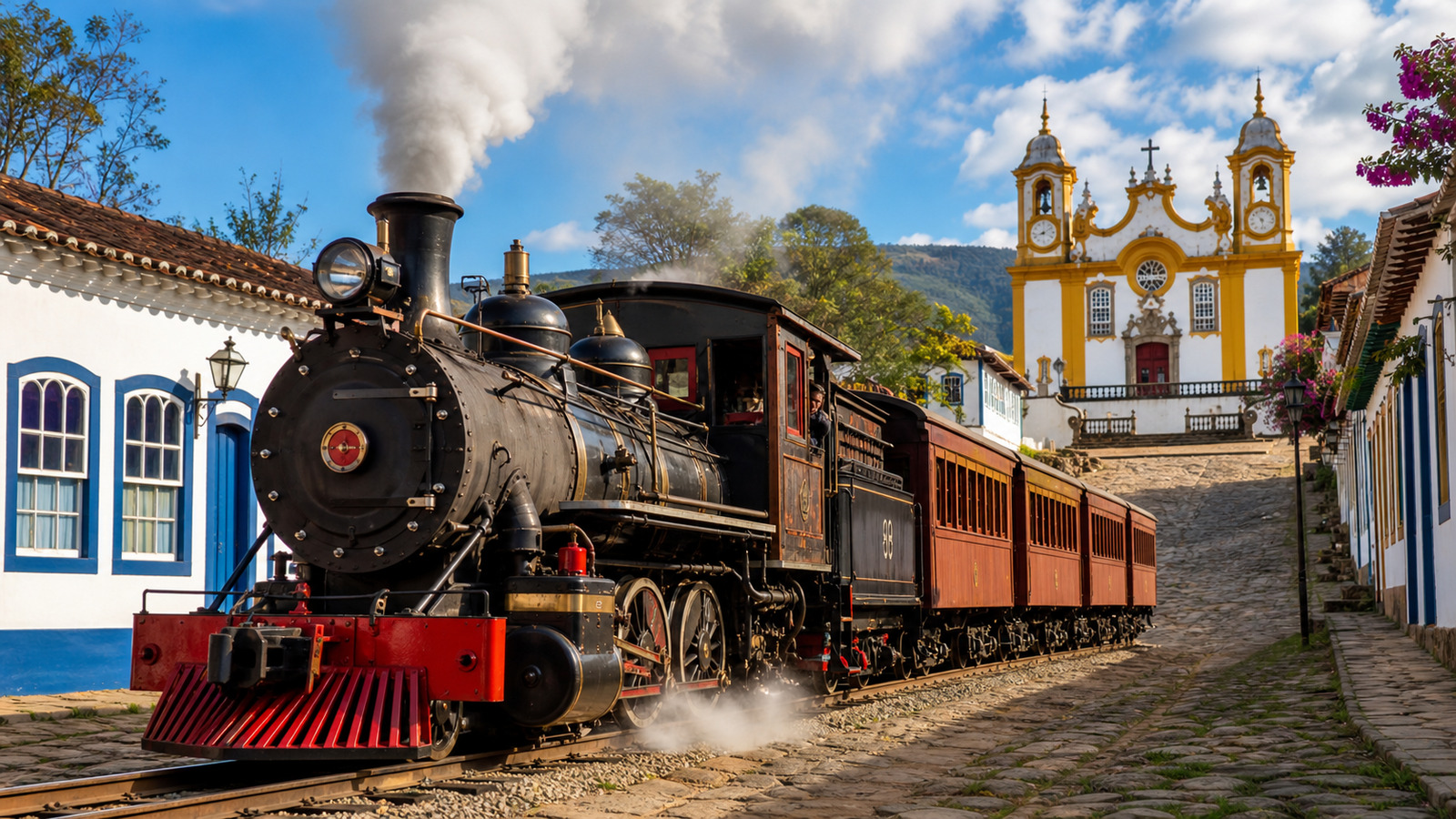

Listed by IPHAN since 1938, Tiradentes preserves Baroque churches, stone streets, colonial houses, and Brazil’s oldest operating steam train, attracting visitors with its history, gastronomy, and cultural festivals
At an altitude of 927 meters and 190 km from Belo Horizonte, the historic center of Tiradentes brings together colonial houses, Baroque churches, and Brazil’s oldest operating steam train, in an area listed by IPHAN since 1938, showcasing the beauties of a colonial city.


The colonial city born from gold
Tiradentes emerged around 1702, when Paulista bandeirantes found gold on the slopes of the Serra de São José. The settlement became Vila de São José in 1718 and prospered during the gold cycle.
This phase explains the Baroque churches erected in the following decades. Later, the exhaustion of the mines at the end of the 18th century emptied the village and froze its urban layout for almost 200 years.
-
Brazilian Entrepreneur Turns Door-to-Door Jewelry Sales into a Family Business Empire with Over 70 Stores

-
$75 Million Bridge in Brazil Opens to Connect Cities, Create Jobs, and Cut Travel Time from 30 to 2 Minutes; Spanning 1.24 km, It’s Among the Country’s Largest and Ends Decades of Ferry Queues.

-
Brazilian Farmer Builds 8-Ton Tractor from Army Truck Engine, Plants Over 100 Hectares of Soybeans
-
11-Year-Old Entrepreneur Turns Fear of Bees into Honey Lemonade, Wins $60,000 on Shark Tank, Secures Whole Foods Deal, and Expands Brand Across U.S. Stores




The abandonment helped preserve streets, townhouses, and churches almost intact until their listing by IPHAN. The recognition occurred in 1938, on Tiradentes’ own day.
The city honors someone who never visited it
The city carries a historical paradox. Joaquim José da Silva Xavier, Tiradentes, never set foot in the place that today bears his name.
He was born on the old Fazenda do Pombal, between Ritápolis and São José del-Rei, and grew up far from there. The connection with the village only came later.
On December 6, 1889, shortly after the Proclamation of the Republic, a state decree renamed the old Vila de São José in homage to the martyr.
Churches and stone streets concentrate the itinerary
The city can be explored on foot, but the local pace calls for calm. On weekends, cars are parked at the entrance to the center to protect the original 18th-century cobblestones.
The Matriz de Santo Antônio Church is among the greatest examples of Minas Baroque. The temple features a facade attributed to Aleijadinho, gilded carvings in the nave, and a soapstone sundial from 1785.
The Padre Toledo House Museum occupies the mansion where the Inconfidentes met. The space preserves Rococo painted ceilings and oral tradition about a secret escape tunnel.
The Chafariz de São José, built in 1749, still spouts water from its three original spouts. The Nossa Senhora do Rosário Church, erected in 1708, was frequented by enslaved people.
Largo das Forras gathers handicrafts, trees, and a view of the Serra de São José.
Steam train connects Tiradentes to São João del-Rei
The old Oeste de Minas Railway was inaugurated in 1881. Its steam locomotive has never stopped operating since then.
The journey between Tiradentes and São João del-Rei is 12 km long and takes about 35 to 40 minutes. The tracks have a gauge of 76 cm, one of the narrowest in operation worldwide.
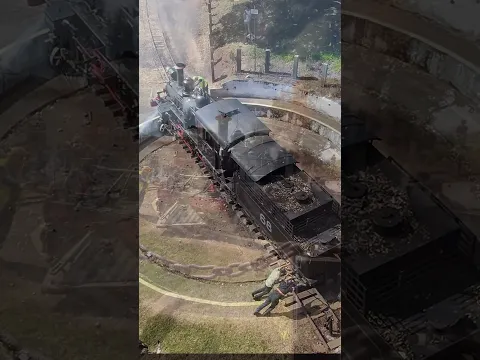
The ride crosses stretches of Atlantic Forest and Cerrado. At Tiradentes station, the manual turntable is still used to turn the locomotive.
The trains run from Friday to Sunday. Those who sit on the right side get a better view of the landscape.
Festivals and Minas Gerais food boost tourism
Tiradentes hosts cultural events at different times of the year. The Film Festival has been held in January since 1998, featuring short and feature films.
The Culture and Gastronomy Festival, created in 1998 by Plataforma Fartura, was included by Condé Nast Traveller in December 2025 among the best places to eat in the world in 2026.
The city also hosts Foto em Pauta since 2004. During Holy Week, processions and sawdust carpets fill the stone streets.
Minas Gerais cuisine appears in colonial mansions, with wood-fired tropeiro, chicken with okra, angu, Serra da Canastra cheese, goiabada cascão, dulce de leche, and fig preserves.
The altitude of 927 meters guarantees cool nights even in summer. The dry winter concentrates the high season and festivals between June and September.
How to get to the colonial city of Minas Gerais
From Belo Horizonte, the fastest route follows BR-040 to Barbacena and then BR-265, about 190 km. The closest airport is Confins, in Belo Horizonte, 230 km away.
Those traveling by bus disembark in São João del-Rei, 15 km away, and continue by taxi or van.
With this ensemble, the historic center of Tiradentes functions as a living open-air museum. The village preserves the past on a compact scale and maintains slow tourism.
With information from Correio Braziliense.


