






 Portuguese
  Spanish


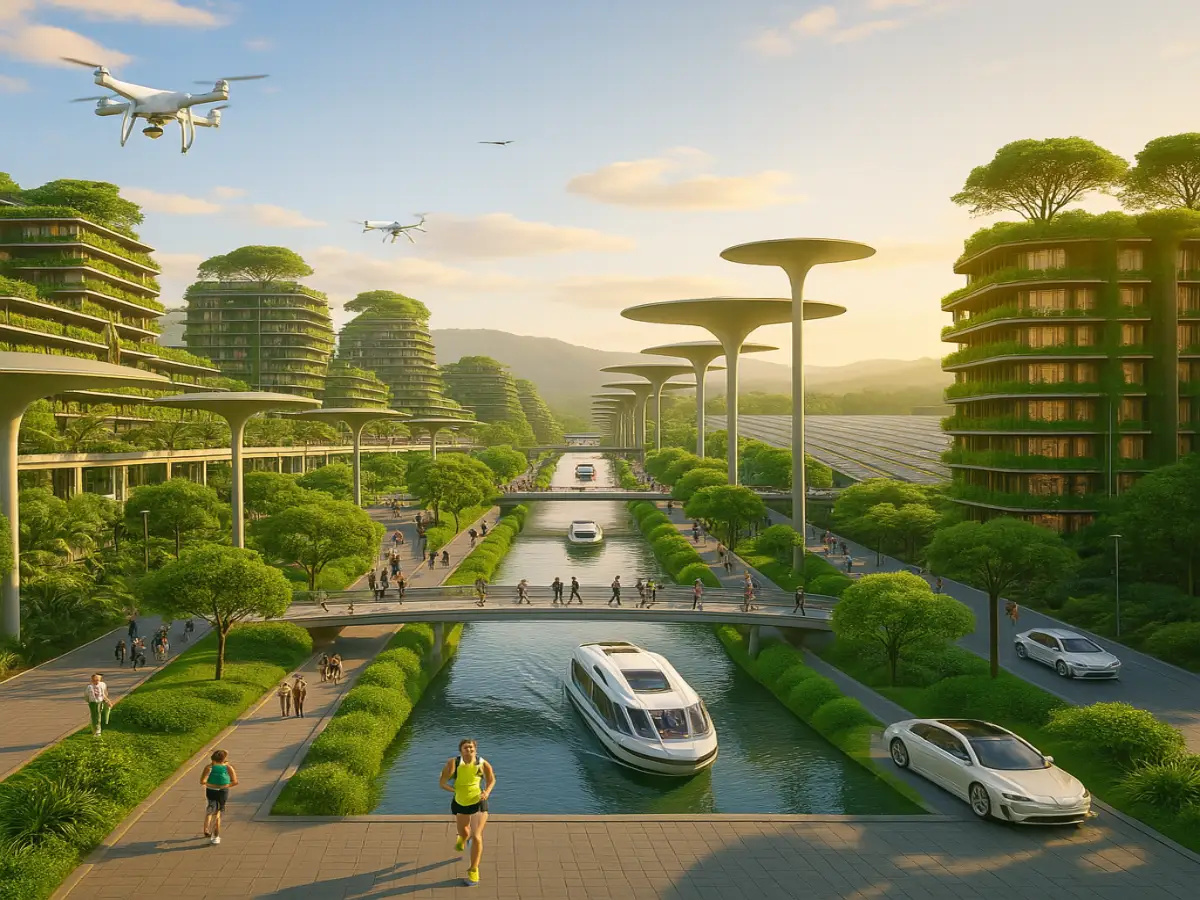


Discover The Revolutionary Architectural Project 100 Km From Cancun: The World’s First Intelligent and Sustainable Forest City Promises to Revolutionize the Concept of Cities in the 21st Century
The Line of Latin America! Imagine a city where nature and technology go hand in hand, with millions of trees, clean energy, and futuristic mobility. Sounds like a dream? Well, it’s a reality! 100 km from Cancun, in the heart of Mexico, the first intelligent forest city on the planet is being born, a project that promises to transform the way we live. Set to be completed in 2026, this marvel of sustainable construction will house 130,000 people in 557 hectares, combining innovation, ecology, and quality of life. Want to know how this will work? Come with us!
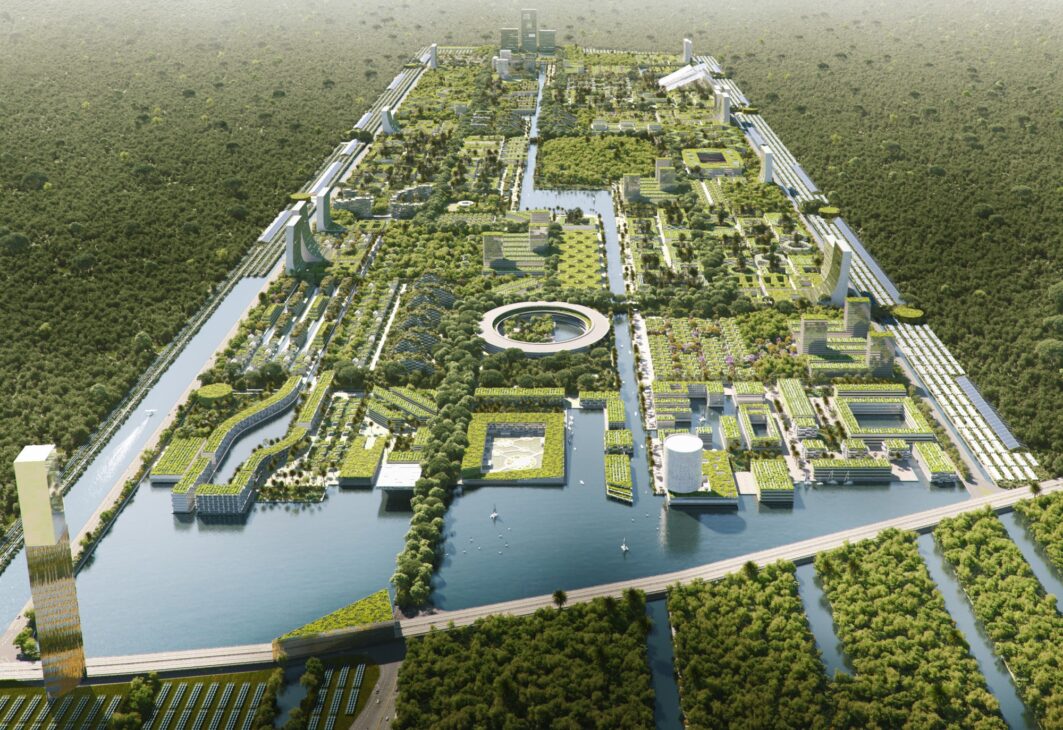
The City is a Tribute to the Ancient Maya Forest Cities: There Will Be 7.5 Million Plants, Including 260,000 Trees of 400 Different Species
Designed by renowned Italian architect Stefano Boeri, known for his ecological infrastructure projects, the city is a tribute to the ancient Maya forest cities. Instead of a gray commercial district, the project returns 400 hectares of pure green life to nature. There will be 7.5 million plants, including 260,000 trees of 400 different species, which translates to about 2.3 trees per inhabitant! “Our goal is to create a model of a city that is truly sustainable, integrating biodiversity into the daily lives of people,” Boeri said in an interview with ArchDaily.
Public parks, private gardens, green roofs, and facades will ensure a perfect balance between buildings and nature. This vegetation is not just beautiful: it will absorb 116,000 tons of CO₂ per year and store 5,800 tons, helping to combat global warming. It’s as if the city breathes along with the planet!
-
College Dropout Turned Window Cleaner Builds $1 Million Cleaning Business with Subscription Model After 18 Years of Door-to-Door Work

-
North Korean Soldier Risks Crossing One of the World’s Most Dangerous Borders, Detained in South Korea

-
Stingless Bee Honey from Brazil Can Cost Up to $120 a Liter, Surprises with Flavors of Wood, Citrus, and Even Cheese
-
Woman Claims to Have Spotted a Technical Pattern in Recent FIFA Tournaments, Predicts Possible World Cup Winner


The Line of Latin America: All Energy Will Come from a Ring of Solar Panels Surrounding the Urban Area
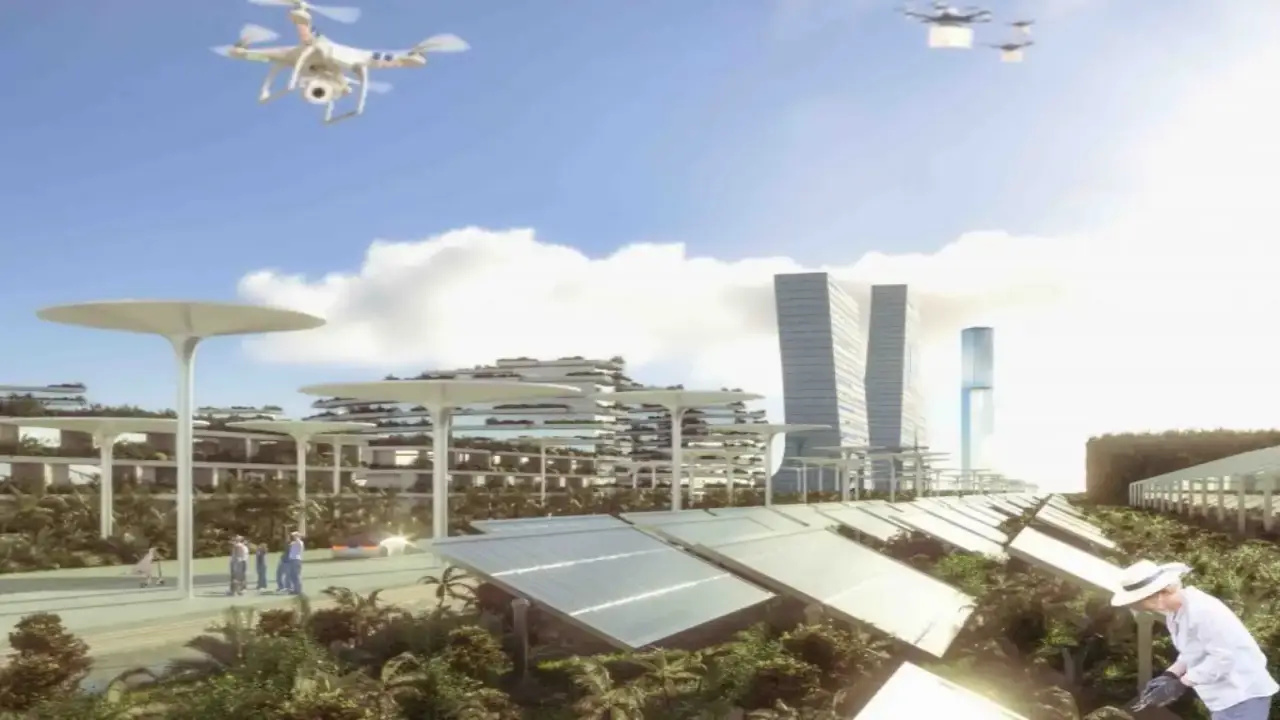
This city is green in appearance and also sustainable down to the last detail. All energy will come from a ring of solar panels surrounding the urban area, ensuring clean electricity for all. Furthermore, the city will have a complete circular economy: all waste will be recycled or reused. No waste! Even food production will be self-sufficient, with irrigated agricultural fields surrounding the city. “We are creating an ecosystem where every resource is valued,” explains Maria Lopez, an environmental engineer involved in the project, in a statement to GreenBiz.
A Desalination Tower Will Capture Seawater and Treat It for Use
Water is the star of this city. A desalination tower will capture seawater and treat it for use. Then, a system of navigable canals will distribute it throughout the urban area to the agricultural fields. These canals are not only functional; they will also beautify the city and connect residents. Aquatic gardens spread throughout the project will help prevent flooding, a common problem in tropical regions. According to the UN Environment Programme, solutions like these are crucial for climate-resilient cities.
Future Mobility: The City Will Feature Mobility in Chain (MIC), a Revolutionary Transportation System
Forget traffic jams! The city will feature Mobility in Chain (MIC), a revolutionary transportation system. Electric cars, boats, and ferries will dominate the streets and canals, while private vehicles will remain parked on the city limits. “We want people to move in a clean and efficient manner, without polluting,” says Carlos Mendez, an urban mobility specialist at the National Autonomous University of Mexico (UNAM). It’s technology and sustainability walking hand in hand!
A Global Innovation Hub
In addition to being an ecological paradise, the city will be a knowledge hub. An advanced research center will attract universities, companies, and organizations from around the world focused on sustainability and technology. Students and researchers from Mexico and other countries will have space to develop solutions for the future of the planet. “It’s a unique opportunity for young scientists to collaborate on projects that can change the world,” says Ana Torres, the dean of a partner university in the project, in an interview with Times Higher Education.
Why Does This Matter?
This city is a construction project and a vision for the future. In a world where climate change is a constant threat, initiatives like this show that it is possible to live in harmony with nature without giving up technology. Recent data from the World Resources Institute indicates that sustainable cities can reduce global emissions by up to 20% by 2050. The forest city of Cancun is a giant step in that direction.

This intelligent forest city is a milestone for Mexico and the world. What do you think about living in a place like this? Leave your comment below and share this news with those who also dream of a greener future!




Bom dia. Gostaria de receber mais informações sobre esse projeto e como posso me inscrever para participar do concurso de aquisição de imóveis.
Eco brasil segue lotado de favelas com esgoto a céu aberto pra todo lado
Caralhis! quase não conseguir ler a matéria com tanto sujeira (anúncio) na página