Portuguese
  Spanish


The story of Trammell Crow shows how warehouses in Dallas, logistics warehouses, and commercial buildings became an important part of the real estate market in the United States
The man who started by cleaning bricks and unloading wagons entered the warehouses of Dallas and helped transform commercial real estate and warehouses into a large-scale business in the United States. Before the tall buildings and shopping centers, Trammell Crow went through jobs related to physical labor, transportation, and direct contact with construction materials.
The information was released by Trammell Crow Company, a commercial real estate development company. The origin of the business is linked to a first warehouse in the Trinity Industrial District, near downtown Dallas, when Crow was 33 years old.
The interest in the construction sector is not just in the biography. The main point is how warehouses, industrial areas, and commercial properties became part of urban growth, creating space for companies, inventory, transportation, and services.
-
An entrepreneur from Alagoas started by selling organza bags as extra income, ventured into digital after motherhood, and transformed personalized packaging into a national business that sells 35,000 units per month, generates about R$ 60,000, and employs 14 people.

-
While playing video games in his room, a 13-year-old teenager was struck by a lightning bolt that entered the house, left a hole in the wall, passed through a metal piece of the desk, and made the boy scream, thinking he was going to die.

-
A metal detector led a prospector to a rock that resisted a saw, acid, drill, and sledgehammer; years later, scientists cut the block with diamond and discovered a 17 kg meteorite from the beginning of the Solar System.
-
Just one message on WhatsApp: Belém launches “Plante Aqui” and plants a tree for free at your doorstep within 15 days, with a goal of 5,000 seedlings by the end of 2026 in the capital of Pará.





The first warehouse in Dallas put logistics and construction at the center of the business
Trammell Crow began his professional career as an accountant, served in the United States Navy during World War II, and then entered the commercial real estate market. This type of market involves buildings used by companies, such as warehouses, offices, shopping centers, and storage facilities.
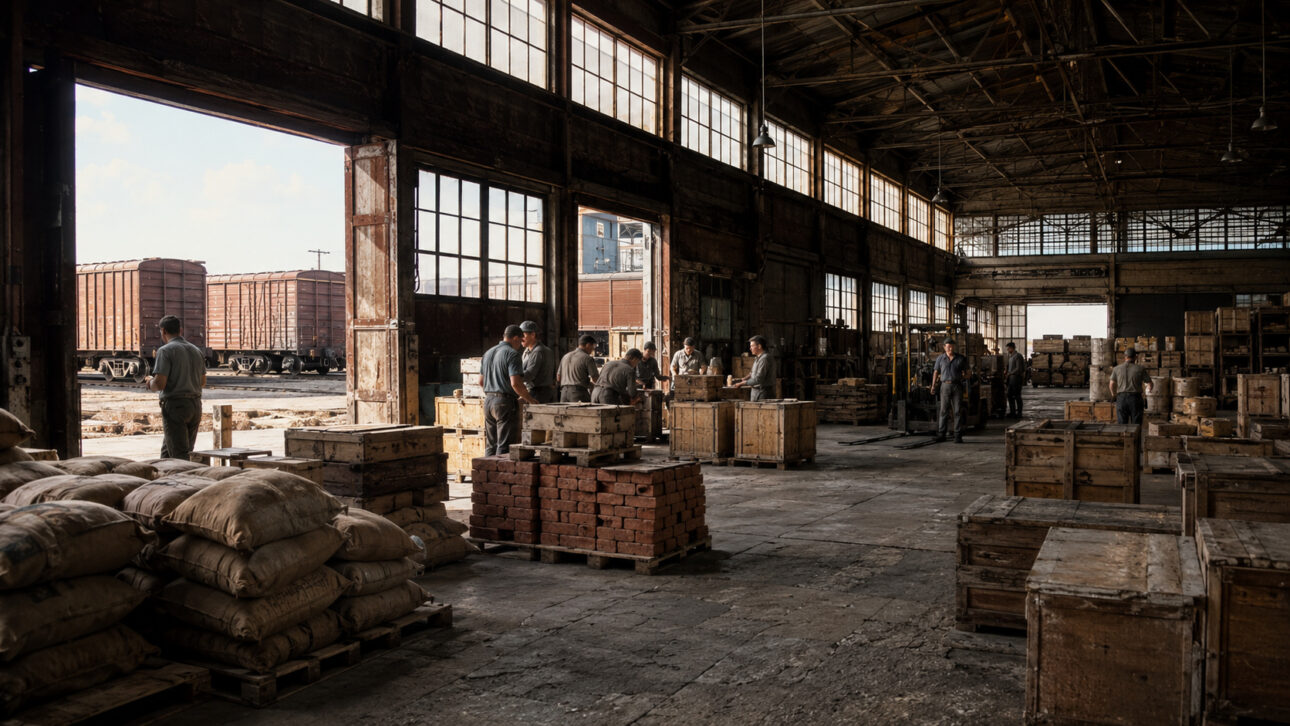
The first step was a warehouse in the Trinity Industrial District, an area close to downtown Dallas. A warehouse is a building designed to store goods, receive shipments, and support companies that depend on transportation.
This choice put logistics at the center of the business. Logistics, in simple words, is the path a product takes to go from one point to another. Therefore, a well-located warehouse can become an important piece for commerce, industry, and distribution.
Commercial warehouses changed the way companies occupied American cities
The investment in warehouses shows how commercial construction can grow alongside a city’s economy. When companies need to store products, receive trucks, or organize inventory, they don’t rely solely on stores and offices.
They need large, functional spaces close to transportation routes. This is where warehouses gained value. They stopped being just storage spaces and became part of the structure that supports businesses.
In Dallas, this type of property helped to bring construction, transportation, and commerce closer together. For the Brazilian reader, the comparison is simple: when a city receives distribution centers and warehouses, the region starts to attract companies, indirect jobs, and new supporting developments.
The company grew by building properties tailored to clients’ needs
Trammell Crow Company, a commercial real estate development firm, notes that the company was among the first to build spaces designed for clients’ needs and also among the first to erect properties before having all occupants defined.
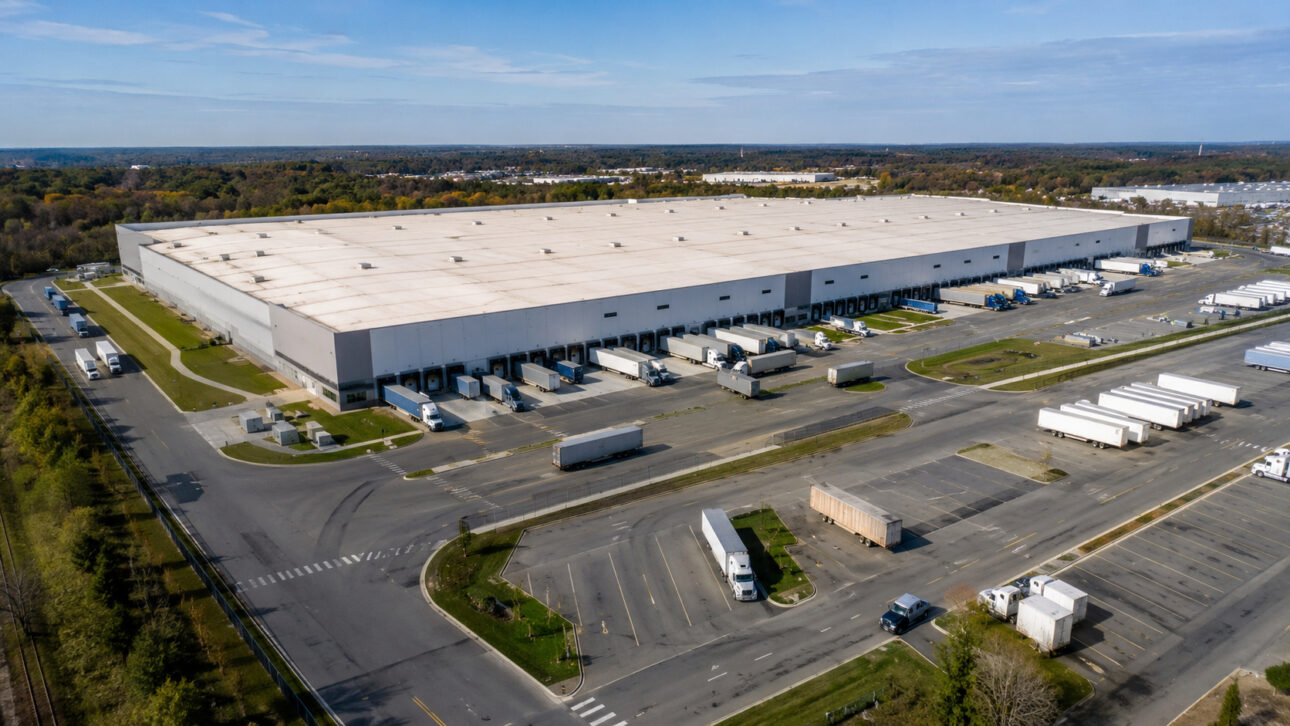
In practice, this means constructing a commercial property focused on the use a company would make of it. Instead of just erecting a common building, the logic was to think about docks, access, internal circulation, storage, and daily operation.
The company also began to erect buildings before closing all occupancy contracts. This practice requires confidence in market demand. The builder takes the risk and hopes that companies will rent or occupy the space later.
From the Trinity Industrial District to commercial buildings, the business began to reshape urban landscapes
Crow’s activities moved beyond warehouses to other types of commercial properties. The company itself notes that he helped reshape the urban landscape of Dallas before expanding the business to other markets in the United States and abroad.
This shows that the impact of a commercial property goes beyond the land. A business building, a shopping center, or a warehouse can change the flow of people, vehicles, services, and investments in a region.
When an area receives this type of structure, new demands arise. Streets need to support more traffic, workers start commuting to the location, and support businesses find opportunities in the surroundings. That is why commercial properties also shape cities.
In 1971, Forbes ranked Trammell Crow at the top of private real estate operators in the United States
The scale of the business gained recognition in 1971, when Forbes magazine ranked Trammell Crow as the largest private real estate operator in the United States. This data shows that the growth was no longer local and had national significance.
Later, the company went public in 1997. Going public means selling shares on the market, allowing investors to buy part of the company. Then, in 2006, the company was acquired by CBRE.

CBRE recorded the completion of the purchase of Trammell Crow Company for US$ 49.51 per share in cash. This move reinforced the business’s corporate dimension and consolidated the link between real estate development, commercial construction, and services for large occupants.
The case shows why warehouses and commercial properties have economic weight beyond construction
The business trajectory of Trammell Crow shows that a city does not grow only with houses and apartments. It also depends on warehouses, logistics hubs, offices, and shopping centers to support businesses and move goods.
The beginning with bricks and wagons helps contextualize the proximity to cargo, material, and physical labor. However, the economic focus is on the shift to Dallas warehouses, where construction and logistics merged into a large-scale business model.
In the end, the case shows how a warehouse can cease to be just a simple building and become the starting point for a larger urban change.
If warehouses and logistics centers have already changed American cities, to what extent can they also reshape the growth of Brazilian cities? Comment or share this post.