Portuguese
  Spanish


The incorporation of amniotic membrane redefines treatment in the SUS, expands therapeutic options, and improves recovery for patients with ocular injuries and disorders
A relevant update in public health was announced by the Ministry of Health, generating a direct impact on public network services. The expansion of the use of amniotic membrane was officially announced on Wednesday (15), following a recommendation from the National Commission for the Incorporation of Technologies in SUS (Conitec), and thus, a series of applications began to integrate the Unified Health System. Ordinances No. 20 and No. 22, published by the Secretariat of Science, Technology, and Health Innovation (SCTIE/MS), formalized the measure and reorganized the use of the technology. This movement demonstrates that the public system seeks to expand access to more effective and modern treatments.
Technical review expands the use of technology in SUS
The change results from a technical evaluation conducted by Conitec and, therefore, directly affects how certain treatments are performed in SUS. After all, the amniotic membrane is now indicated for chronic wounds, diabetic foot, and ocular disorders, expanding the reach of the technology. In addition, the official expectation is that more than 860,000 patients will benefit annually, which reinforces the impact of the measure. This advancement demonstrates that the incorporation of new technologies can reorganize care and enhance the efficiency of treatments.
Regenerative technology accelerates healing and reduces complications
The amniotic membrane is a tissue collected during childbirth and, therefore, stands out in regenerative medicine as a relevant therapeutic alternative. The material has anti-inflammatory and healing properties, which reduces complications in the treatment of various diseases and improves patient recovery. In the case of diabetic foot, for example, healing can occur up to twice as fast compared to conventional dressings, which highlights the effectiveness of the technology. This result demonstrates that the use of the tissue contributes to more efficient and safer treatments.
-
She spent 73 years breathing inside an iron lung, survived the aftereffects of polio, and became the last woman in the United States dependent on the equipment before dying at 78 years old.

-
Brazilian students created a $1 filter using pine bark, cotton, and 3D-printed parts to clean cassava wastewater, reduce the toxicity of a hazardous waste, and transform contaminated water into biofertilizer.

-
Astronaut from Artemis II steps down after mission to the Moon and decision surprises after a record of 406,771 km, a historic 10-day journey, and an unprecedented achievement for Canada.

-
A fossil kept for years in a small museum in Montreal concealed 450-million-year-old soft tissue, a discovery that has only happened once before in history.


Clinical impact reduces hospitalizations and improves quality of life
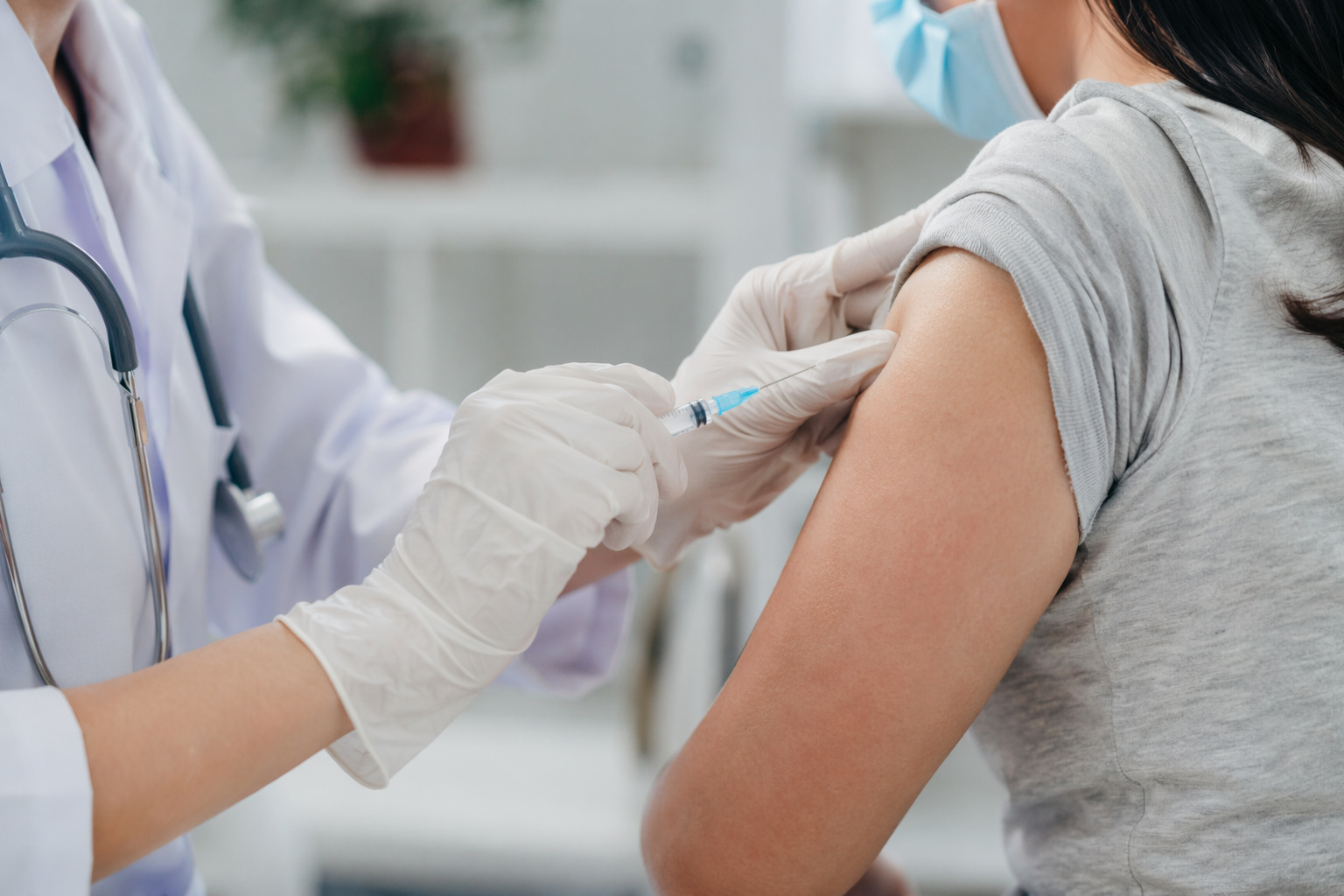
According to Secretary Fernanda De Negri from the Secretariat of Science, Technology, and Innovation in Health, the incorporation of innovative technologies strengthens the SUS and expands access to modern therapies. This measure ensures more therapeutic options and, at the same time, provides faster recovery for patients, reducing complications and infections. This scenario contributes to the decrease in prolonged hospitalizations and the reduction of hospital costs, while improving the quality of life. The positioning reinforces that Brazil is now standing out in the use of regenerative technologies.
Application in ocular diseases enhances vision recovery
The technology is also applied in the treatment of ocular alterations affecting eyelids, lacrimal glands, and eyelashes, expanding its clinical use. In these cases, the tissue aids in the healing of lesions and contributes to pain reduction during treatment, favoring recovery. Furthermore, the amniotic membrane helps restore the ocular surface and improves the quality of vision, optimizing clinical outcomes. The material also reduces the risk of new lesions and proves effective in more complex cases, such as glaucoma, ocular burns, inflammations, perforations, and corneal ulcers.
Consolidated use and expansion in the SUS
The use of the amniotic membrane has been applied in the SUS since 2025, especially in the treatment of extensive burns, demonstrating its clinical efficacy. The official expansion now integrates the technology into a larger set of available therapies, strengthening the public system. This movement highlights how the adoption of innovative solutions contributes to improving care and expanding the reach of treatments.
How can the expansion of regenerative technologies influence the future of care in the SUS and the recovery of millions of patients?