Portuguese
  Spanish


Research led by Embrapa develops resistant plants for space missions and to face climate change on Earth
Brazil is advancing in a new scientific frontier by developing superplants capable of growing in space and under adverse conditions.
The initiative is part of the Artemis program, led by the United States since 2012, according to NASA data.
Moreover, the research is conducted by Embrapa, with support from the Brazilian Space Agency (AEB) and participation from 22 scientific institutions.
-
Six Helicopters to Drop 550 Tons of Poison on Island Near Antarctica to Eradicate Mice Threatening Albatrosses and 19 Seabird Species.

-
Russia Unveils Poseidon: A 20-Meter Nuclear Torpedo-Drone with 10,000 km Range, 185 km/h Speed, and 100-Ton Capacity Threatening Coastal Cities with Radioactive Waves
-
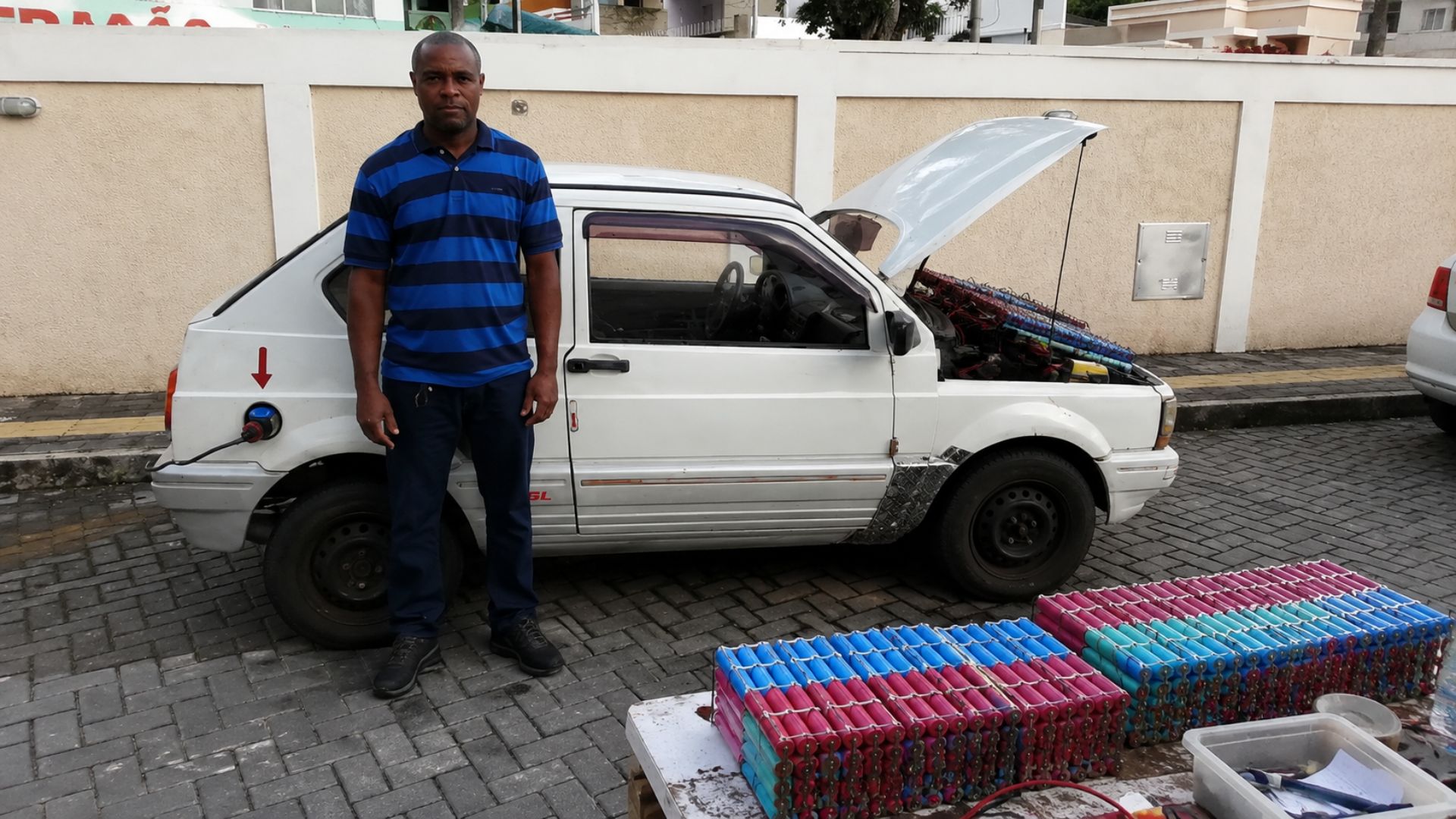
Brazilian Innovator Converts Old Car into Electric Vehicle Using Laptop Batteries and Forklift Motor, Achieves Nearly 90 km/h in Urban Settings

-
Samsung Unveils Smart Oven with Built-In Camera, AI Food Recognition, and Real-Time Monitoring via Smartphone.


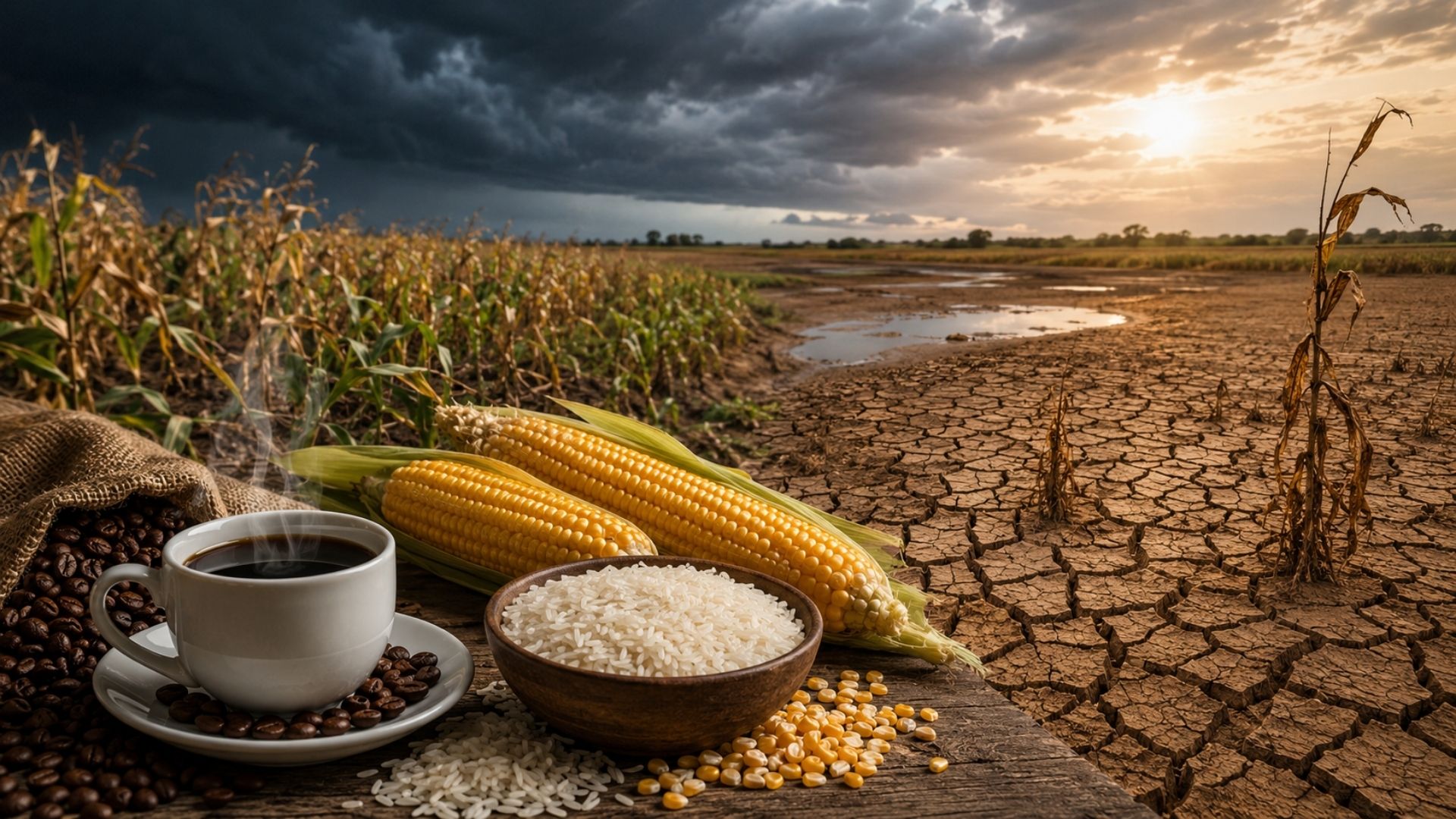
Thus, the goal is to ensure efficient food production in extreme scenarios, both in space and on Earth.
Brazilian superplants gain strength in the Artemis program
Initially, the project is part of the Space Farming Brazil Network, focused on developing more productive and resilient plants.
To achieve this, researchers use genetic variability, enhancing efficiency in the use of water, energy, and nutrients.
According to Alessandra Fávero from Embrapa, the research allows simulating future climatic conditions and selecting more adapted genotypes.
At the same time, the Artemis program currently brings together 56 countries and has already consumed 93 billion dollars in 13 years, according to a NASA audit.
Sweet potato and chickpea lead initial tests
At this moment, the tests focus on sweet potato and chickpea, due to their lower water and heat requirements.
Additionally, other species will be gradually incorporated, including plants aimed at producing medicines and fibers.
Thus, the project expands the potential of agriculture in resource-limited environments.
At the same time, the results may benefit vulnerable regions and strengthen global food security.

Challenges of cultivating plants in the space environment
On the other hand, cultivating life outside Earth involves significant challenges.
One of the main obstacles is cosmic ionizing radiation, capable of compromising biological structures.
In light of this, scientists are developing protective casings to preserve plants.
Meanwhile, space conditions are being simulated in Brazilian laboratories.
In 2024, tests took place at Habitat Mars, from the Federal University of Rio Grande do Norte (UFRN).
In this environment, tomato seedlings were cultivated using hydroponic and aeroponic systems, without the use of soil.
Space tests advance with rockets and ISS
In April 2025, seeds were sent to space on a rocket from Blue Origin, a company owned by Jeff Bezos.
For five minutes, they were exposed to microgravity and then underwent genetic analysis.
Subsequently, in August 2025, plants such as strawberries and orchids were sent to the International Space Station (ISS).
According to Fávero, the first phase of the project lasts five years, followed by tests in low Earth orbit and then in deep space.

Brazil also invests in lunar mission with SelenITA
At the same time, the country is developing the nan satellite SelenITA, scheduled for launch in 2028, according to AEB.
The equipment will study magnetic fields and the terrain of the Moon, especially at the south pole.
The project is led by the Aeronautics Institute of Technology (ITA) in partnership with NASA.
According to the Brazilian Air Force (FAB), the initiative boosts areas such as telecommunications and orbital navigation.
Moreover, these technologies are already being used in monitoring the Amazon and border surveillance.
Impacts on Earth and future applications
The results of the research can be applied in arid and low fertility environments.
According to astrophysicist Gabriel Rodrigues Hickel from the Federal University of Itajubá (Unifei), the benefits will be perceived in the medium and long term.
He highlights that space advancements have already contributed to technologies such as satellite telecommunications and medical diagnostics.
Thus, the development of these plants can transform agriculture in non-ideal conditions.
In light of this scenario, can Brazil lead a new era in food production both on and off Earth?