Portuguese
  Spanish


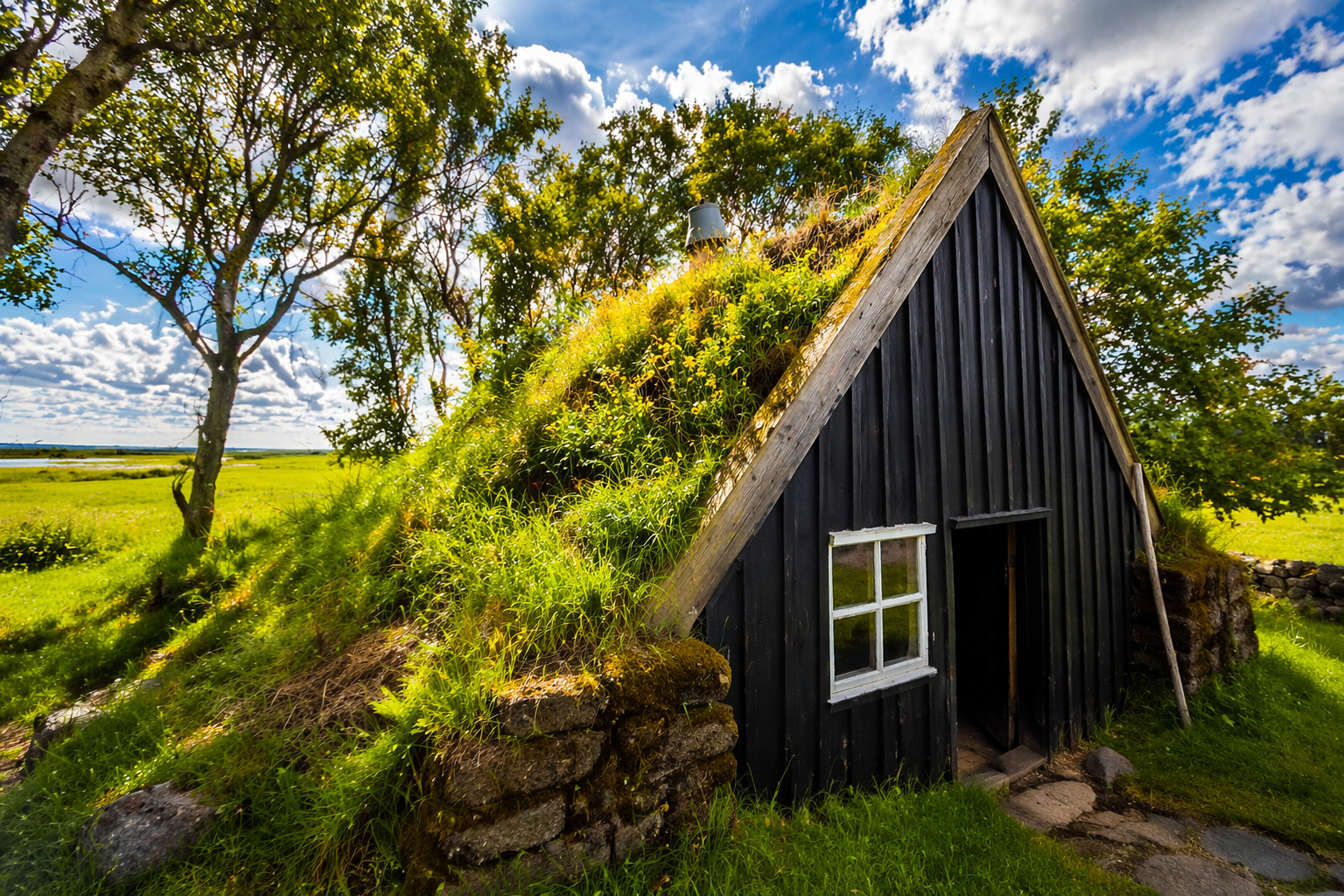


Moss and root houses in Iceland show how a simple construction can keep heat in extreme cold, reduce energy costs, and use only available natural resources
The moss and root houses in Iceland are considered one of the smartest solutions ever created to face intense cold. This type of construction emerged over 1000 years ago, in a scenario of material scarcity and extremely harsh climate.
The result was an architecture that strategically uses earth, wood, and stone to ensure thermal comfort and protection. Even without modern technology, these houses can retain internal heat for long periods, reducing almost all heating needs.
Structure combines stone, wood, and thick layers of earth
The foundation of these constructions starts with a base made of flat stones, which ensure stability. On top of this base, a lightweight structure of wood supports the entire construction.
-
Salvador’s Acarajé Vendors Turn Used Frying Oil into Income by Selling it for Biodiesel Production

-
Volunteer Revives Dead Lake in Bengaluru Overnight, Doubling Water Capacity and Attracting Kingfishers and Herons
-
1909 Train Car Once Destined for Abandonment Transformed into Luxury Accommodation in the U.S. After $3,000 Restoration

-
86-Year-Old Brazilian Man Starts Homemade Bread Business After Learning from TV Recipe


The information was released by Atlas Iceland, a portal specialized in tourism and culture of Iceland, which details the use of natural materials as the basis for this type of housing. Between the wood and the earth, there is a layer of birch bark, which helps protect against moisture.
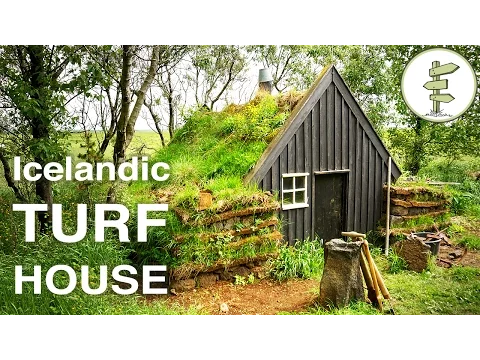

The most impressive part is in the walls, made with layers of compressed peat, which can exceed 1 meter in thickness, functioning as an extremely efficient natural insulation.
Thermal insulation keeps the house warm even in extreme temperatures
The great advantage of the moss and root houses in Iceland lies in their thermal performance. The earth used in the walls can retain internal heat, preventing losses even on very cold days.
This natural system allows the interior to remain warm without relying on modern heaters. At the same time, the structure also helps keep the environment cooler during less cold periods.
Atlas Iceland, a portal specialized in tourism and culture of Iceland, highlights that this construction represents an almost perfect adaptation to the local environment, the result of centuries of practice.
Partially buried construction reduces wind impact
Another important point is the shape of these houses. Many of them are built partially below ground level, which helps protect against the strong winds of the region.
The roofs covered with live grass further enhance this protection. In addition to helping with insulation, this covering keeps the structure stable and integrated with the ground.
From a distance, these houses almost disappear into the landscape, resembling small natural elevations in the soil.
Size and internal organization prioritize efficiency
The houses follow an elongated and functional shape. The width usually varies between 4 and 7 meters, while the length can reach 20 or 30 meters.
The interior is organized with a central corridor and several connected spaces. This model helps to better distribute heat within the house, making the space more comfortable.
The structure also allows for expansions over time, according to the needs of the residents.

Use of local materials ensures low cost and sustainability
The scarcity of wood in Iceland has led residents to use everything that was available. Often, the wood used came from the sea, brought by the currents.
Peat, with mosses and roots, extracted directly from the soil, has become the main building material. This process ensures a highly sustainable and economical model, with reduced environmental impact.
This solution shows how it is possible to build efficiently using only natural resources.
Maintenance is part of the functioning of these moss houses
Despite being efficient, these houses require maintenance over time. The outer layers of peat need to be renewed due to wear caused by the weather.
Durability can reach decades when there is constant care. This renewal process was part of the routine of families living in these constructions.
Even with this need, the system remains viable due to the ease of replacing the materials.
Moss and root houses in Iceland continue to be a reference in smart construction
The Icelandic turf houses demonstrate how simple solutions can be extremely effective. The intelligent use of natural materials ensures thermal comfort, durability, and low cost.
This model also serves as inspiration for modern projects seeking energy efficiency and sustainability.
If this type of construction caught your attention, leave your comment and share it with those who enjoy curiosities about engineering and architecture.