






 Portuguese
  Spanish


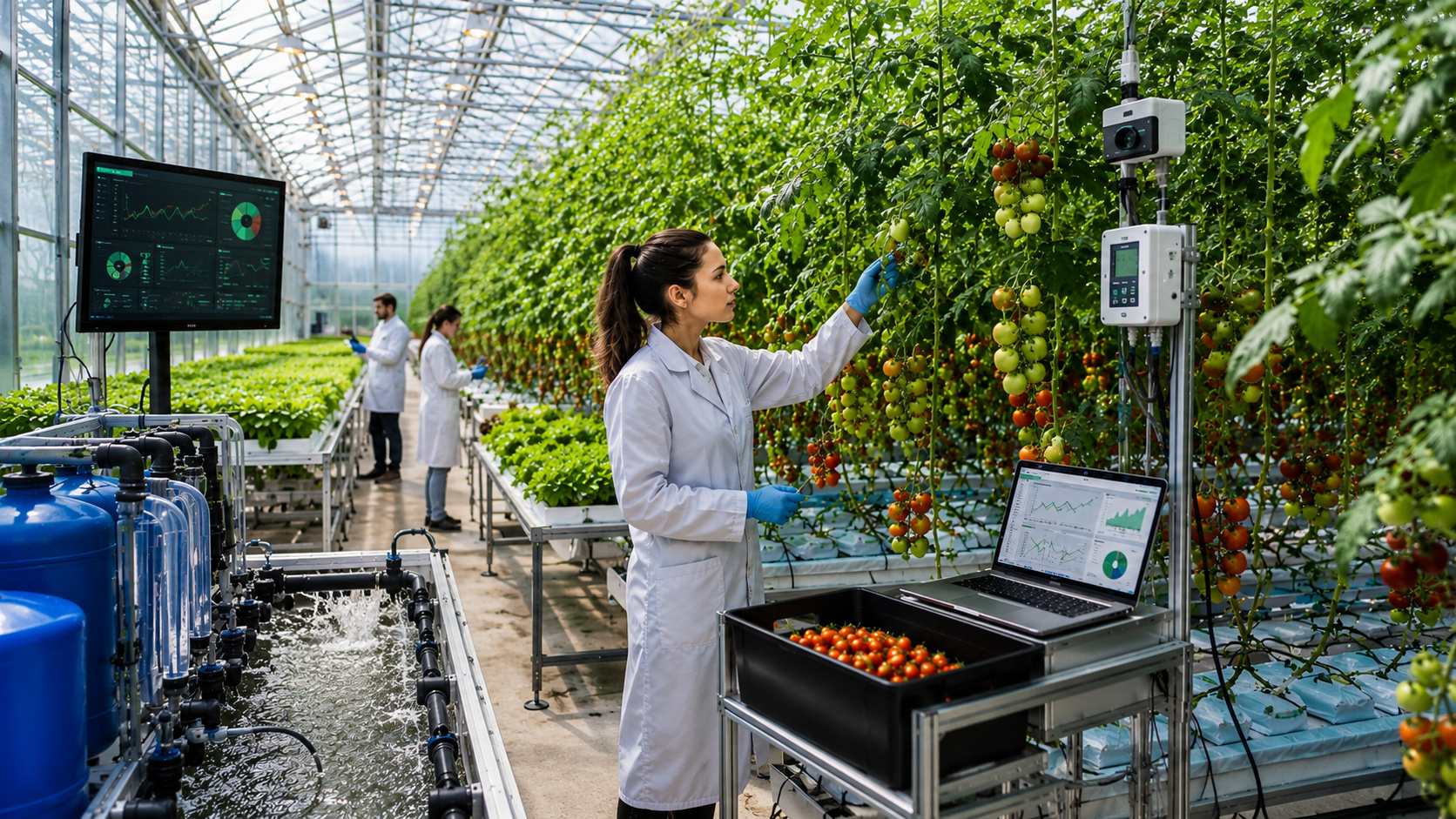
Even with a small territory, the Netherlands has become a global food powerhouse by combining smart greenhouses, artificial intelligence, sensors, water reuse, and advanced agricultural research; now, this model is drawing attention in Brazil for showing how it is possible to produce more in less space, reduce waste, protect natural resources, and adapt technologies to the tropical climate without relying on expansion into new agricultural areas
The Netherlands has transformed technology, agricultural research, and artificial intelligence into a formula capable of revolutionizing food production.
Even with only 41 thousand km² of territory, the European country has become the third largest food exporter in the world by monetary value, according to a report published by BBC Mundo in May 2026.
Meanwhile, Brazil has one of the largest arable areas on the planet. Still, experts say the country can learn a lot from the Dutch model.
-
India’s Sugar Export Cuts and Ethanol Shift Amid El Niño Threat Could Impact Global Prices and Stocks

-
Quarantine Pest Threatening Palm Trees Puts Brazilian Authorities on Alert, Prompts Monitoring at University of Taubaté and Potential Control Measures Across São Paulo
-
Global Alert: Report Finds 159 Pesticides in Coffee Beans Sold in Europe, Posing Serious Risks to Millions of Farm Workers
-
Low-Demand Brazilian Beef Offal Gains Popularity Abroad: Indonesia Purchases $19.5 Million, Boosting Revenue and Reducing Waste



The main differential is not the size of the production, but the technological efficiency applied to the field.
The Dutch have managed to produce more food in smaller areas, using less water, less soil, and systems highly controlled by artificial intelligence.
Smart greenhouses multiply production and reduce waste

At the heart of this transformation is Wageningen University & Research, internationally known as WUR.
There, smart greenhouses use sensors to control temperature, humidity, carbon dioxide, radiation, and even the color of the lighting used in crops.
At the same time, computers process this information using advanced algorithms with artificial intelligence.
According to Mexican scientist Cristina Zepeda, this control allows some greenhouses to produce up to 100 kg of tomatoes per square meter per year.
Meanwhile, less technological systems in Latin America produce approximately 20 kg per square meter.
In other words, productivity can be up to five times higher. This intensive production reduces waste and improves the utilization of natural resources.
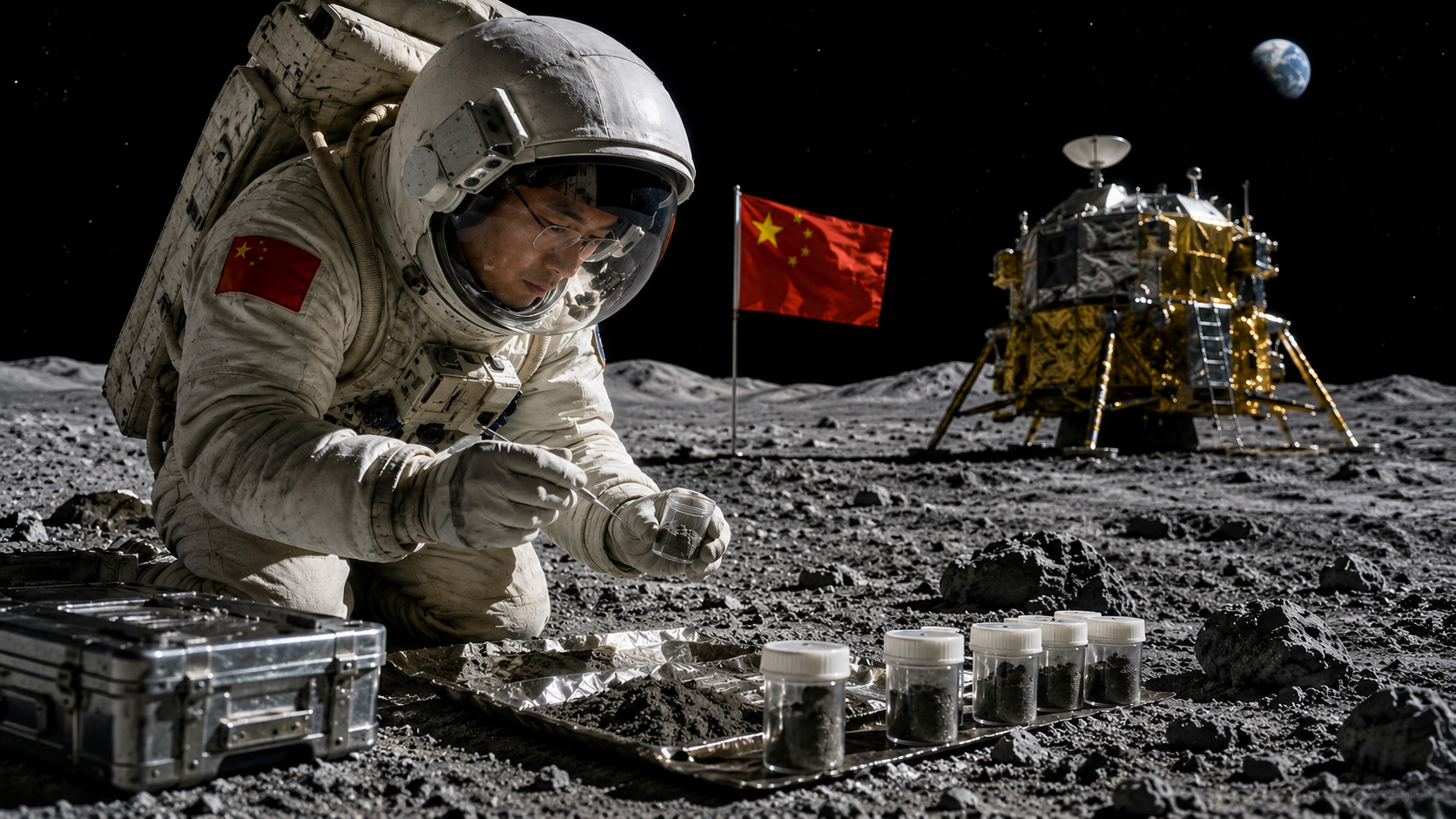
Brazil can produce more without expanding agricultural areas
According to Brazilian researcher Nilson Vieira Junior, one of the main lessons from the Dutch model is to increase productivity without expanding agricultural frontiers.
In the greenhouses of the Netherlands, many plants are cultivated in substrates, without directly depending on the soil.
Thus, nutrients are controlled with greater precision, and irrigation water can be almost entirely reused. This process reduces environmental impacts and significantly improves production efficiency.
In Brazil, where droughts and extreme weather events have been increasing in recent years, solutions of this type can gain strategic importance.
Specialists state that the future of Brazilian agriculture will depend on the ability to produce more without pressuring biodiversity, rivers, and natural areas.
Dutch technologies need to be adapted to the Brazilian climate
Despite this, researchers warn that Brazil should not merely copy the European model. According to Vieira Junior, the climatic challenges found in the Netherlands are very different from those faced in tropical regions.
In Europe, the main challenge for greenhouses is to heat environments during cold periods and compensate for low solar incidence in winter.
In Brazil, however, the problem is usually excessive heat. Therefore, technologies need to be adapted to Brazilian conditions.
One alternative pointed out by specialists is the active cooling system known as a wet wall. In this method, ventilation occurs through the passage of cold water in mats installed inside the greenhouses.
Also, technologies such as hydroponics, drip irrigation, and smart artificial lighting can help Brazilian producers.
Artificial intelligence also transforms livestock farming
In addition to crops, the Netherlands applies artificial intelligence in livestock farming. Researchers at Wageningen University use cameras and videos to monitor animal movement, behavior, and welfare.
At the same time, scientists are working on research to reduce methane emissions from cows and sheep.
According to Professor Roel Veerkamp, the realistic goal is to reduce about 25% of emissions in 25 years through genetic selection.
This type of technology can also gain ground in Brazil, which has one of the largest cattle herds in the world.

Cooperation between producers and universities became a competitive advantage
Another point that stands out in the Dutch model is the integration between universities, companies, and rural producers.
In the Netherlands, farmers constantly exchange experiences and work closely with research centers.
In turn, companies like Unilever and FrieslandCampina maintain research facilities near the Wageningen campus.
This ecosystem accelerated the arrival of new technologies to the field and strengthened the country’s agricultural production.
Specialists affirm that Brazil can advance in the same direction by expanding connections between science, innovation, and producers.
With climate change, environmental pressure, and a growing need for production, technological agriculture can become increasingly essential.
Given this scenario, will Brazil be able to transform technology, artificial intelligence, and agricultural efficiency into a new competitive advantage to produce more food without depleting its natural resources?






Be the first to react!