Portuguese
  Spanish



Sustainable model reorganizes practices in the field, strengthens the soil, and expands productive resilience in the face of climatic challenges
A silent transformation has been observed in global agriculture in recent years, attracting the attention of producers and experts.
Regenerative agriculture has gained traction since the 2010s, as pointed out by organizations such as the Food and Agriculture Organization of the United Nations (FAO), and with that, new practices began to be adopted in the field. Soil is no longer seen merely as support but is treated as a living system capable of capturing carbon, retaining water, and sustaining agricultural productivity. This movement demonstrates a structural change in the production model, which seeks to reduce dependence on chemical inputs and strengthen natural processes.
Transformation in soil management redefines agricultural production
The main change occurs in the way soil is managed, which directly alters the functioning of the production system. The soil remains covered by plants, residues, or cover crops, which prevents erosion and preserves natural moisture. At the same time, tilling is reduced, allowing its structure to be maintained and strengthened over time. This practice transforms the soil into a natural carbon reservoir, reducing CO₂ emissions and improving cultivation efficiency.
-
Green Roofs on Homes Gain Popularity for Reducing Heat, Noise, and Rain Impact in Brazil

-
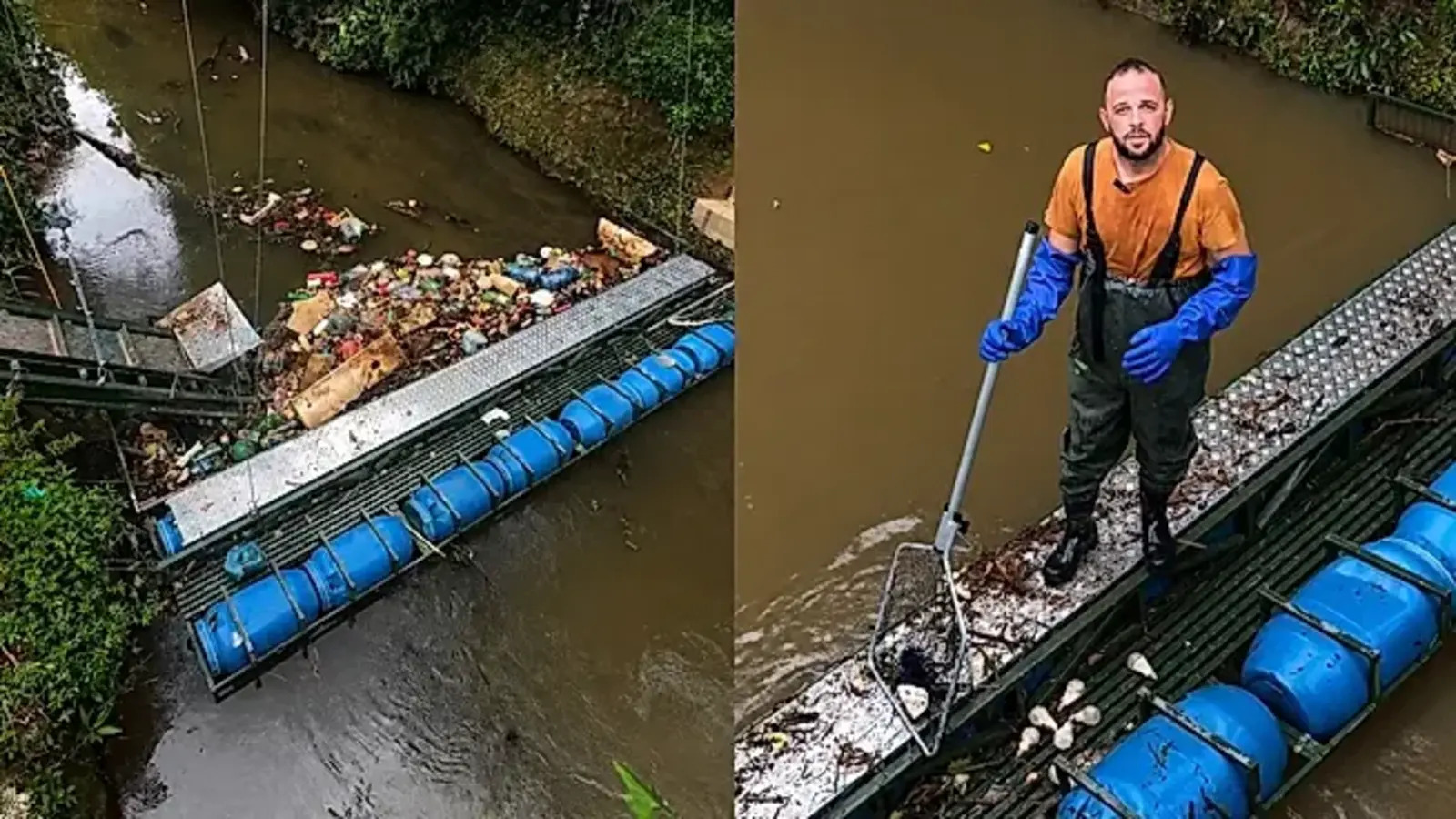
Brazilian promises his children to save a river, creates an eco-barrier in his backyard, has already removed more than 40 tons of trash from the water, and even inspires the idea in other states of the country.

-
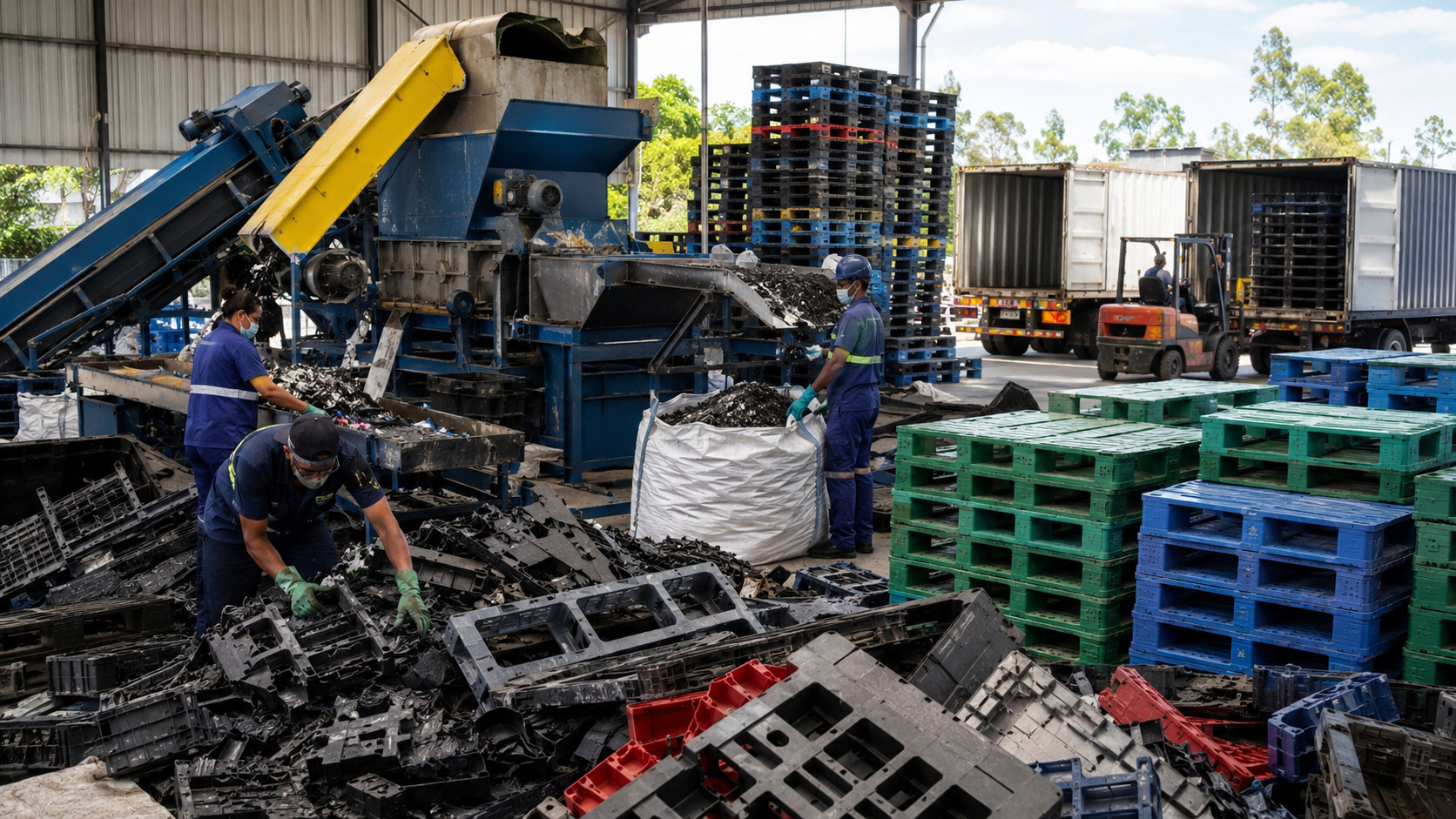
How a Brazilian company created a system that transforms broken pallets of any brand into new assets, recycles 80 tons of plastic per month, and found a profitable solution to a problem that challenges industries across the country.
-
Invasive bullfrog capable of devouring other amphibians and laying up to 20,000 eggs is found in Florianópolis, raising an alert about the threat to native fauna.


An example observed in Tarragona since 2020 illustrates this model in action. An area of approximately 300 hectares produces more than 12 million kilograms of vegetables per year without the use of chemical fertilizers, pesticides, or herbicides. Productivity is maintained and, in some cases, increased, reinforcing the potential of regenerative agriculture as a viable alternative.
Living soil becomes the protagonist in the regenerative system
The functioning of this model directly depends on the biological activity present in the soil. Earthworms, insects, and microorganisms contribute to the formation of a more stable structure, creating tunnels that facilitate the circulation of air and water. This dynamic makes the soil more fertile and resilient, allowing for greater water absorption and better plant development.
The reduction of tilling favors this process, as it preserves the subterranean life and maintains the balance of the ecosystem. Chemical fertilizers are replaced by organic compounds produced from agricultural waste, which returns nutrients to the soil without compromising its biodiversity. This practice reduces dependence on external inputs and strengthens the natural production cycle.

Natural control replaces the use of chemical pesticides
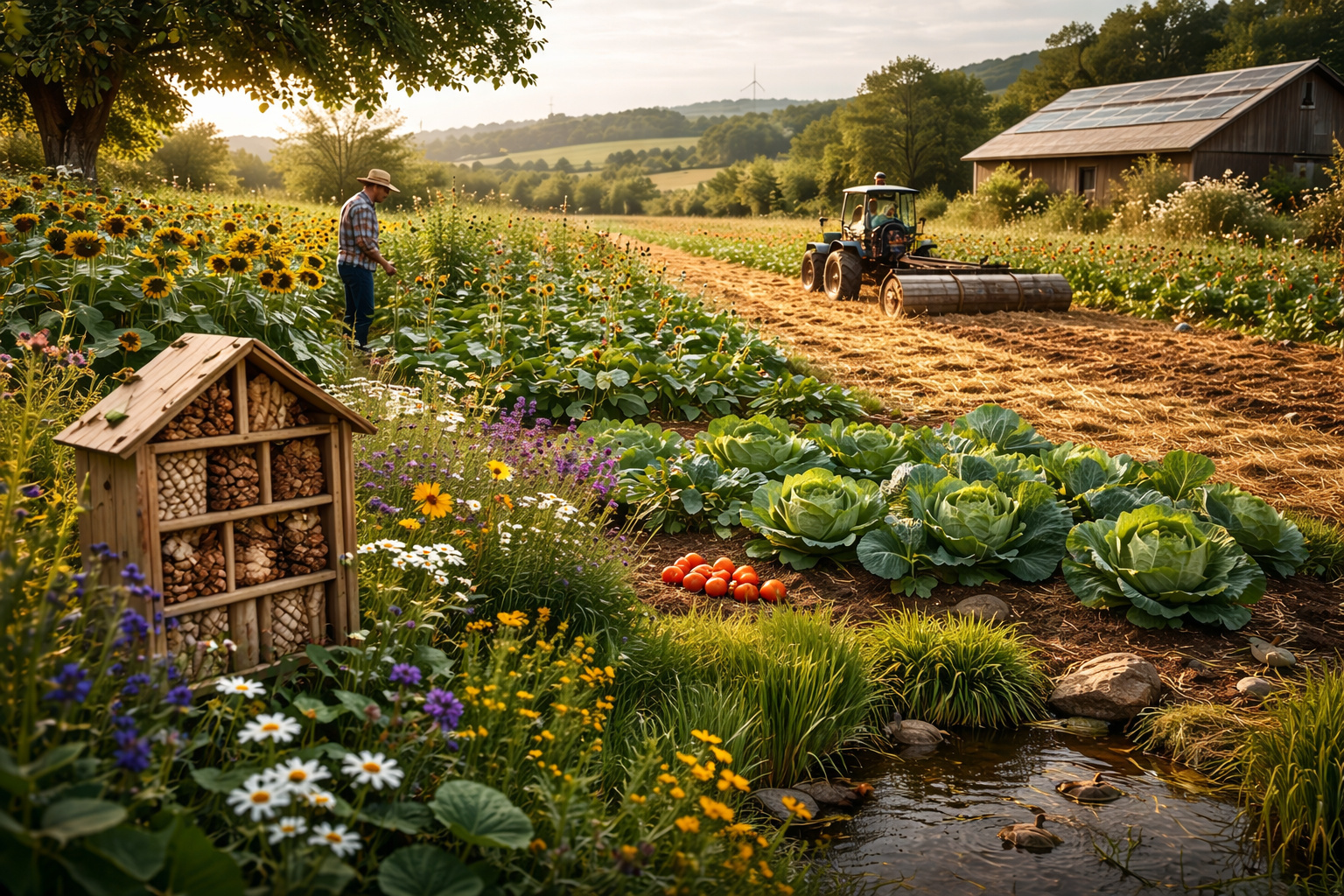
The control of invasive plants occurs through mechanical techniques, which replace the use of herbicides. A specific roller is used to flatten and crush the vegetation after harvest, forming a protective layer over the soil. This cover reduces the incidence of unwanted weeds, protects against heat, and returns nutrients to the production system.
In pest control, the focus shifts from the total elimination of organisms to prioritizing ecological balance. Biodiversity is encouraged to attract natural predators, which help control insect populations. Agricultural areas begin to include elements that serve as shelter and food sources for these species, strengthening the system in an integrated manner.
Simple practices strengthen ecological balance
The adoption of accessible practices allows the system to function in a balanced and efficient manner. Among the main actions taken on properties, the following stand out:
- Installation of structures for sheltering beneficial insects
- Creation of wet areas that attract auxiliary fauna
- Maintenance of native vegetation and aromatic plants
These measures help reduce costs with agricultural pesticides and increase the resilience of the system in the face of environmental variations. The balance between pests and natural predators becomes more stable, reducing the need for external interventions.
Regenerative agriculture gains relevance with climate change
The advancement of climate change intensifies the importance of this agricultural model. Events such as prolonged droughts and irregular rains require more adaptable and efficient systems. Studies published since 2018 indicate that soils with high organic matter can retain up to ten times more water than conventional systems, which improves crop resistance to water scarcity.
Moreover, the capture of carbon dioxide and the restoration of biodiversity contribute to reducing environmental impacts and strengthening the sustainability of agricultural production. Dependence on agrochemicals and large suppliers is reduced, which improves the autonomy of producers.
With the advancement of environmental initiatives and economic incentives, regenerative agriculture gains scale and begins to influence the future of food production.
This scenario raises a central question for the sector: will this sustainable model be able to consolidate itself as the dominant basis of global agriculture?