





 Portuguese
  English
  Spanish
  4 min of reading
  0 comments


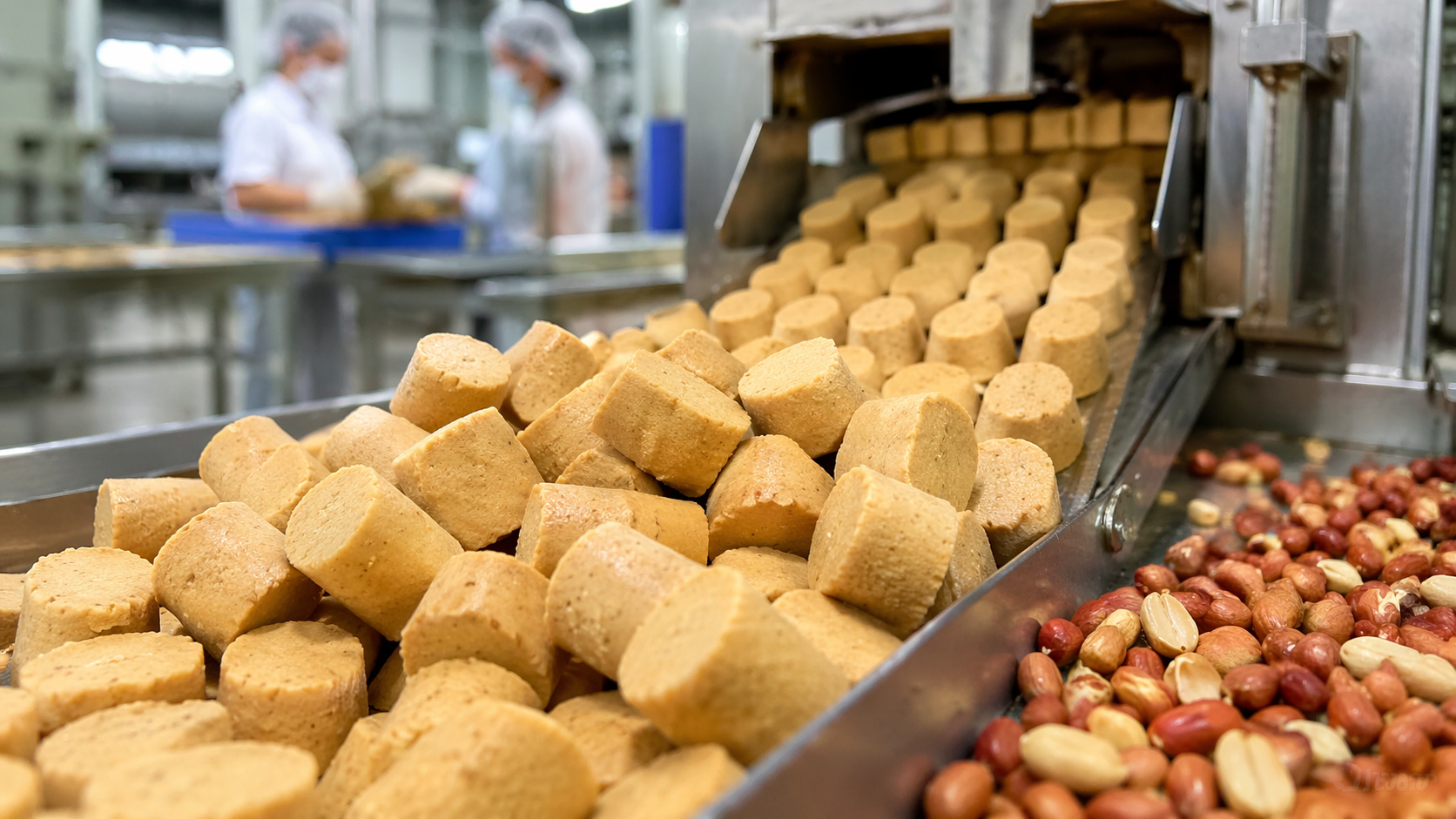
Understand how the production of industrial peanut candy depends on the choice of peanut, involves advanced technology, strict quality control, and guarantees food safety at all stages until it reaches the final consumer
The production of industrial peanut candy goes far beyond a simple mixture of ingredients. The process begins with the choice of peanut and involves a series of steps that ensure quality, flavor, and food safety.
The impact of this selection is direct on the final product. A low-quality peanut can compromise the entire candy. A well-selected grain guarantees ideal texture, striking flavor, and absence of health risks, essential factors for such a popular food.
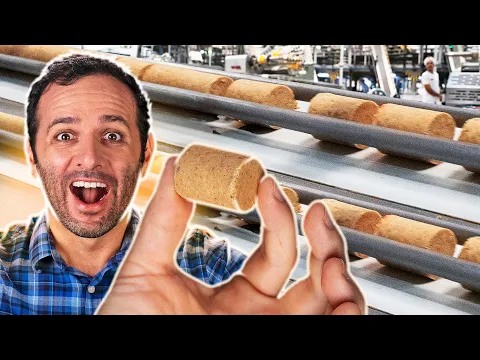

Peanut grows below the ground and requires care from the field to the industry
The peanut has a curious characteristic; it grows underground, attached to the plant’s roots. Harvesting occurs between the months of February and May, when the grains are removed and sent for analysis.
-
The forest that is not a forest: Pando gathers more than 40,000 trunks, forming a single colossal living being with 106 acres, nearly 6,000 tons, and an underground root that connects everything like a giant organism equivalent to 80 football fields.

-
Couple finds R$ 10,000 in a dumpster in Brazil and their action surprises: after finding a box with exactly R$ 10,050 in cash, a humble worker makes an emotional decision that moved residents and went viral on social media.
-
Catarinense student gets accepted into five universities in the United States at once, and the most surprising thing is that the young woman from Brusque balanced preparing for the American exams with a travel routine that has already taken her to over 100 countries across six continents.
-
Placing a PET bottle filled with water or sand inside the toilet tank is an old plumber’s trick that reduces the volume of each flush and can save up to 300 liters of water per month, without any construction work, without replacing parts, and at zero cost.



The information was released by Santa Helena, a Brazilian company known for producing peanut-based sweets. The company maintains certified producers and a strict standard from the beginning of the process.
Immediately after harvesting, the peanut undergoes laboratory tests that evaluate moisture, acidity, and overall quality. This control ensures that only the best batches advance to the next stages.
Cleaning and drying are essential to prevent contamination and preserve the product
After the initial analysis, the peanut goes through a cleaning phase, where impurities such as dirt and leaves are removed.
Next, drying occurs with hot air. This process reduces moisture and prevents the proliferation of microorganisms that can compromise food safety.
Storage is done with the peanut still in its shell, which helps in preservation. Even with structures that support up to 35,000 tons, the stored volume meets about 20 days of production, showing high demand.
Machines with artificial intelligence analyze each grain and ensure quality
One of the most important stages involves the automated selection of grains. Modern equipment analyzes each unit individually, identifying visual defects such as spots or damage.
Grains that do not meet standards are automatically removed with air jets. This process ensures that only the best peanuts proceed to production.
Santa Helena, a Brazilian company known for producing peanut-based sweets, uses systems with artificial intelligence that learn over time and increase the precision of selection.
Roasting at high temperatures eliminates risks and defines the flavor of peanut candy
The raw peanut undergoes a thermal treatment essential for ensuring safety. Roasting occurs at temperatures above 160 degrees, eliminating harmful microorganisms.
In addition to safety, this stage is responsible for the characteristic flavor of the product. The control of time and temperature is precise to maintain quality.
After roasting, the thin skin that surrounds the peanut is removed, leaving the grain ready for the production of peanut candy.

Production of peanut candy uses few ingredients and takes advantage of the natural oil of peanut
Peanut candy is made with just three ingredients: peanut, sugar, and salt. The mixture is done automatically, ensuring exact proportions.
The formed dough comes out almost ready. The natural oil of the peanut itself acts as a binder, eliminating the need for artificial additives.
Production can reach about 250 kg per cycle, equivalent to more than 16,000 units, always maintaining the same quality standard.
Automated packaging guarantees safety and standardization until the consumer
After being molded, the peanut candy goes to automatic packaging. The process involves sealing with heat, ensuring adequate protection.
Sensors identify broken products and remove them from the line, preventing them from reaching the consumer. These items are reused in the process.
The final verification includes metal detectors and strict quality control. Part of the production meets international requirements and can be exported to demanding markets.

Quality of peanut is the factor that defines the success of peanut candy
The entire process shows that the quality of the peanut is the main factor in ensuring a safe and tasty product. Each stage contributes to maintaining a high standard.
The care begins in the field and continues until the final packaging. The combination of technology, strict control, and careful selection ensures that peanut candy remains one of the most consumed sweets in Brazil.
Now that you know all the details, the question remains: did you imagine that such a simple candy went through such a rigorous process before reaching your table?




Be the first to react!