





 Portuguese
  English
  Spanish
  3 min of reading
  0 comments


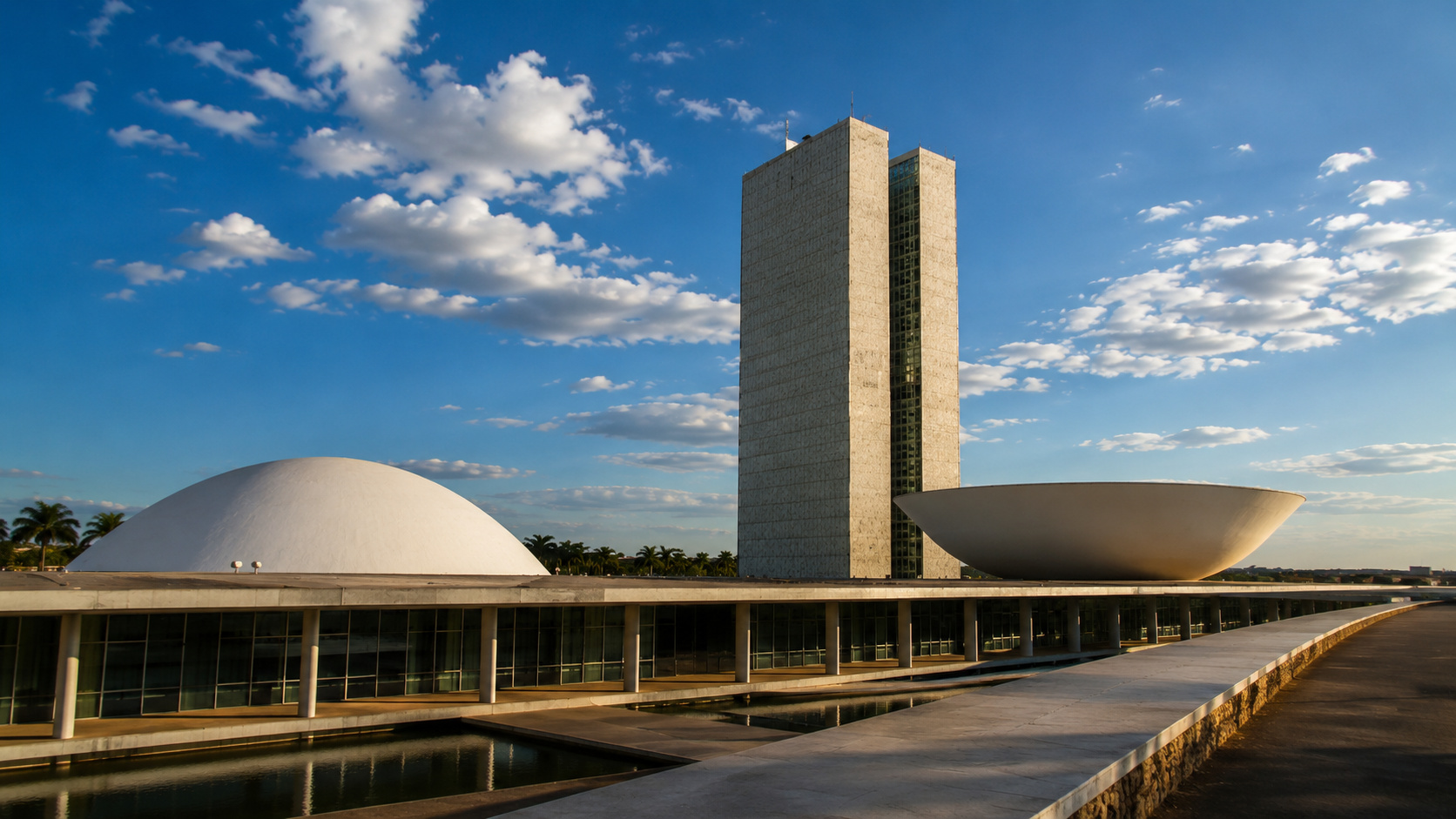
Public hearing scheduled for May 14th in the Chamber of Deputies will discuss sanitary, environmental, economic, and legal impacts related to the slaughter of donkeys and the international trade of skins destined for traditional Chinese medicine.
The National Congress will hold, on May 14, 2026, a public hearing to discuss the increase in the slaughter of donkeys in Brazil and the impacts related to the international trade of these animals’ skins.
The debate will take place at 10 AM, within the scope of the Environment and Sustainable Development Commission of the Chamber of Deputies. Furthermore, the meeting aims to increase pressure for the voting of PL 2387/2022, a bill that proposes the definitive end of donkey slaughter in national territory.
Currently, the proposal remains stalled in the Chamber’s Constitution and Justice Committee, with no official deliberation foreseen. Nevertheless, civil society organizations and researchers have intensified mobilization to accelerate the analysis of the text.
-
Parental bereavement law comes into effect in Brazil and requires hospitals to change care for mothers and fathers facing gestational, fetal, and neonatal losses.

-
A little-known law can save a family’s only home from going to auction for ordinary debts: Law No. 8,009/1990 makes residential property unseizable and prevents thousands of Brazilians from losing their homes due to claims that do not fall under legal exceptions.

-
The Municipal Guard secures strategic points in Curitiba against chain snatching, expands operations in Portão and Matriz, and reacts after a R$ 1,500 chain is snatched.

-
‘Loan shark can work,’ but with limits, and lending money with interest is not a crime! STJ decides that collection between individuals is permitted and maintains the obligation to return the principal amount; see rules, limits, and when there is abuse






Hearing in Congress increases pressure for the end of donkey slaughter
According to Congressman Célio Studart (PSD-CE), responsible for the public hearing initiative, the objective is to broaden the debate on the sanitary, environmental, economic, and legal impacts related to the global trade of donkey skins.
Furthermore, the meeting will also address topics related to animal welfare, sustainability, and public health. Therefore, government representatives, researchers, and civil entities are expected to participate in the discussions.
Among the confirmed organizations are the National Forum for Animal Protection and Defense and The Donkey Sanctuary, an international institution dedicated to equine protection.
According to Patricia Tatemoto, PhD in Sciences from USP and campaigns coordinator for the Americas at The Donkey Sanctuary, the debate in Congress is fundamental for legislative decisions to be made based on technical and scientific evidence.
Donkey Skin Trade Fuels International Concern
Historically, the skins of donkeys slaughtered in Brazil are primarily destined for China. In the Asian country, the material is used in the production of ejiao, a product of traditional Chinese medicine.
Ejiao is manufactured by extracting collagen from the skins. Furthermore, the product promises benefits related to physical vigor and rejuvenation.
However, as highlighted by the organizations involved in the debate, there is no scientific proof of the efficacy of these promises.
Meanwhile, the growing international demand is causing concern about the future of the donkey population in Brazil.

Official Data Shows 94% Drop in Donkey Population
According to data from FAO, IBGE, and the Agrostat system, the number of donkeys in Brazil fell by 94% between 1996 and 2024.
Furthermore, national and international researchers classify the current scenario as a “tragedy of the commons”. In this case, the uncontrolled exploitation of a resource threatens both the animals and rural communities that depend on them.
As experts point out, the absence of a structured production chain and the reliance on capturing animals intensify the risk of population collapse.
At the same time, Chinese demand remains high. According to estimates released by The Donkey Sanctuary, China consumes approximately 5.9 million donkey skins per year.
Furthermore, the organization’s projections indicate that demand could reach at least 6.8 million by 2027.
Given the reduction in the donkey population in Chinese territory, the country began importing skins from other nations, including Brazil.
Now, with the advancement of discussions in the National Congress, civil entities and researchers are trying to transform the technical debate into a definitive legislative decision. After all, how long will Brazil be able to balance economic pressure, environmental preservation, and animal protection without defining the future of donkey slaughter?




Be the first to react!