Portuguese
  Spanish



U.S. electricity consumption expected to reach 4.244 trillion kWh in 2026, driven by AI and data centers, pressuring networks and accelerating the race for energy.
On April 7, 2026, the U.S. Energy Information Administration (EIA), the official government agency of the United States, updated its projections for the electric sector and indicated that the country is expected to reach a record consumption of 4.244 trillion kilowatt-hours (kWh) in 2026, up from 4.195 trillion kWh recorded in 2025, with a new high projected for 4.381 trillion kWh in 2027. The figures appear in Table 7a of the Short-Term Energy Outlook published on April 7, 2026, and were reported the same day by Reuters, on April 7, 2026. The increase is not marginal. It reinforces a new phase of structural growth in American electricity demand, primarily driven by the expansion of data centers linked to artificial intelligence and cryptocurrency, as well as the increased use of electricity by homes and businesses as a partial substitute for fossil fuels in areas such as heating and transportation.
In other words, the central data point is straightforward: the United States is entering a new cycle of energy pressure, driven by technologies and uses that require continuous, intense, and large-scale supply.
Growth of artificial intelligence transforms energy into strategic resource
The main force behind this increase is the rapid expansion of artificial intelligence, especially large-scale models that require massive computational infrastructure. Training and operating advanced AI systems requires:
-
USP researcher creates thesis to attract international funds for the country’s electric energy sector

-
Trafigura receives authorization from ANEEL to trade electricity in Brazil and expands its operations in the largest energy market in Latin America.
-
Mobile solar panels promised to share space with corn crops, but the 20% to 25% shade reduced production by an average of 7.7% and opened a new dispute between energy and food.
-
More than 80 million kilometers of wires need to be replaced by 2040: the energy transition doesn’t just depend on panels and electric cars, but on a colossal race for copper, aluminum, transformers, and recycling of old cables.


- Continuous high-density processing
- Intensive use of GPUs and specialized chips
- Highly demanding cooling systems
These factors cause modern data centers to consume energy volumes far exceeding those of previous generations.
Artificial intelligence has ceased to be merely a technological revolution and has become a direct vector of energy demand on a national scale.
Technology companies are rapidly expanding their infrastructures, building facilities capable of consuming hundreds of megawatts individually, equivalent to the consumption of entire cities.
Data centers become the largest energy consumers of the new digital economy
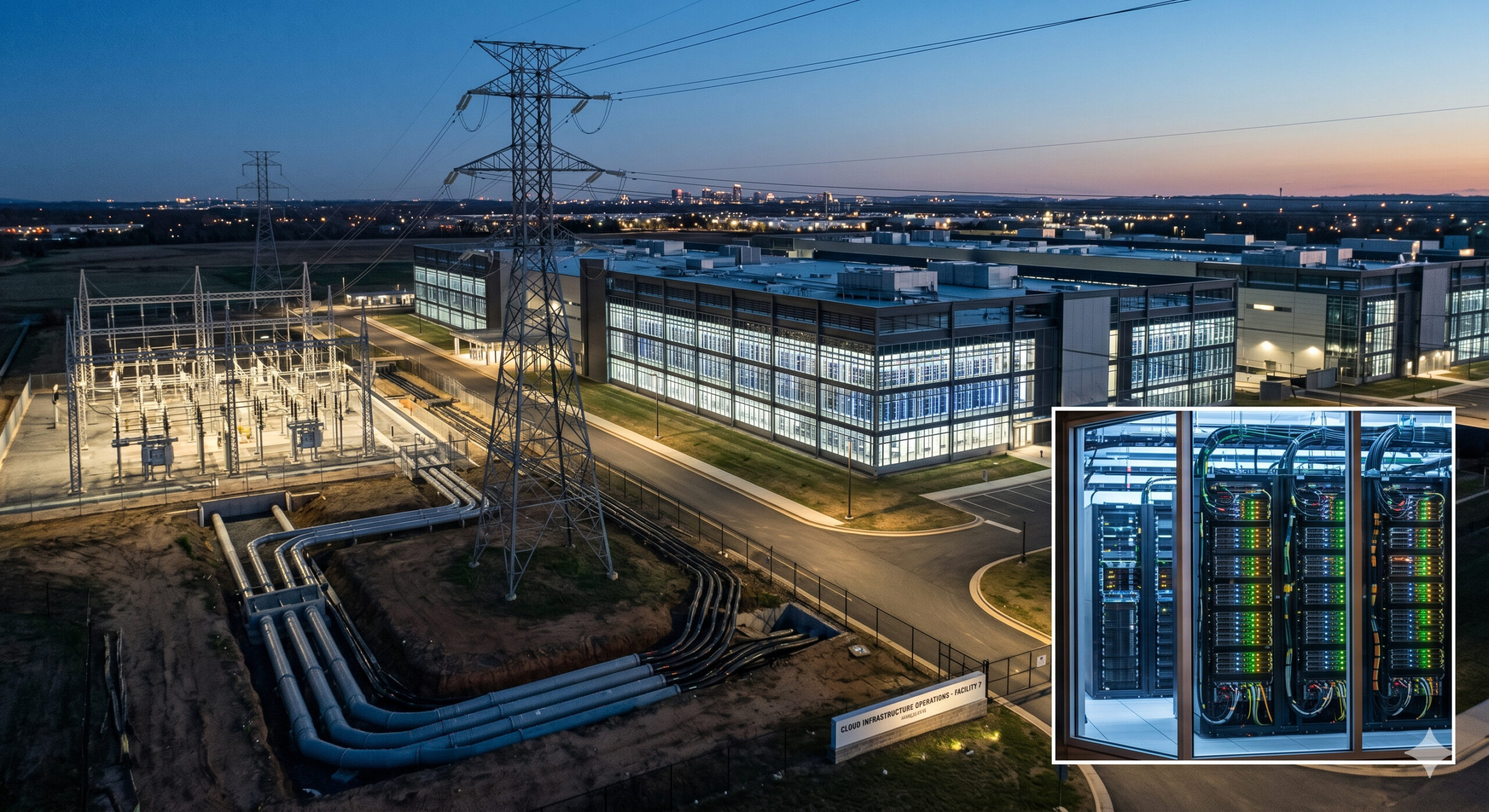
Data centers are at the center of this transformation. They concentrate servers responsible for storage, processing, and transmission of data on a global scale.
In recent years, the profile of these facilities has changed drastically. What was once a relevant but relatively stable sector has begun to grow rapidly due to the demand for AI, cloud computing, and digital services.
Today, some individual data centers already operate with consumption comparable to that of large industrial complexes, requiring dedicated infrastructure for power, cooling, and connectivity.
This growth is creating a new class of electric consumers, with characteristics different from traditional industries, including continuous demand, high energy density, and the need for absolute stability.
Electrification expands demand beyond the technology sector
Beyond technology, another structural factor is the electrification of sectors traditionally dependent on fossil fuels. This includes:
- Residential heating replacing gas with electricity
- Electric vehicles increasing urban demand
- Industrial processes migrating to electric energy

This movement is encouraged by decarbonization policies and environmental goals, but has the direct consequence of increasing the load on the electrical grid.
The combination of electrification and digitalization creates a cumulative effect, consistently and continuously raising total consumption.
Projections indicate a trend of continuous growth until at least 2027
According to the EIA, consumption will not only reach a record in 2026 but will continue to grow in 2027, reaching 4.381 trillion kWh. This advancement indicates that it is not an isolated peak, but a structural trend.
Energy demand is being reconfigured by profound changes in the economy and technology, making any prediction of stabilization in the short term difficult.
This scenario requires long-term planning for the expansion of generation and modernization of infrastructure.
Electric infrastructure faces unprecedented pressure on a national scale
The increase in demand puts direct pressure on the electrical infrastructure of the United States, which is already facing challenges related to aging equipment and the need for modernization.
The transmission and distribution networks need to deal with:
- Higher simultaneous load
- More intense consumption peaks
- Integration with intermittent renewable sources
The pressure is not only quantitative but also qualitative, requiring smarter, more resilient systems capable of responding quickly to demand variations.
In some regions, operators are already reporting difficulties in meeting new connection requests from large data centers.
Race for new energy sources accelerates investments on multiple fronts
In light of this scenario, companies and governments are accelerating investments in different types of energy generation. Among the main fronts are:
- Large-scale solar and wind energy
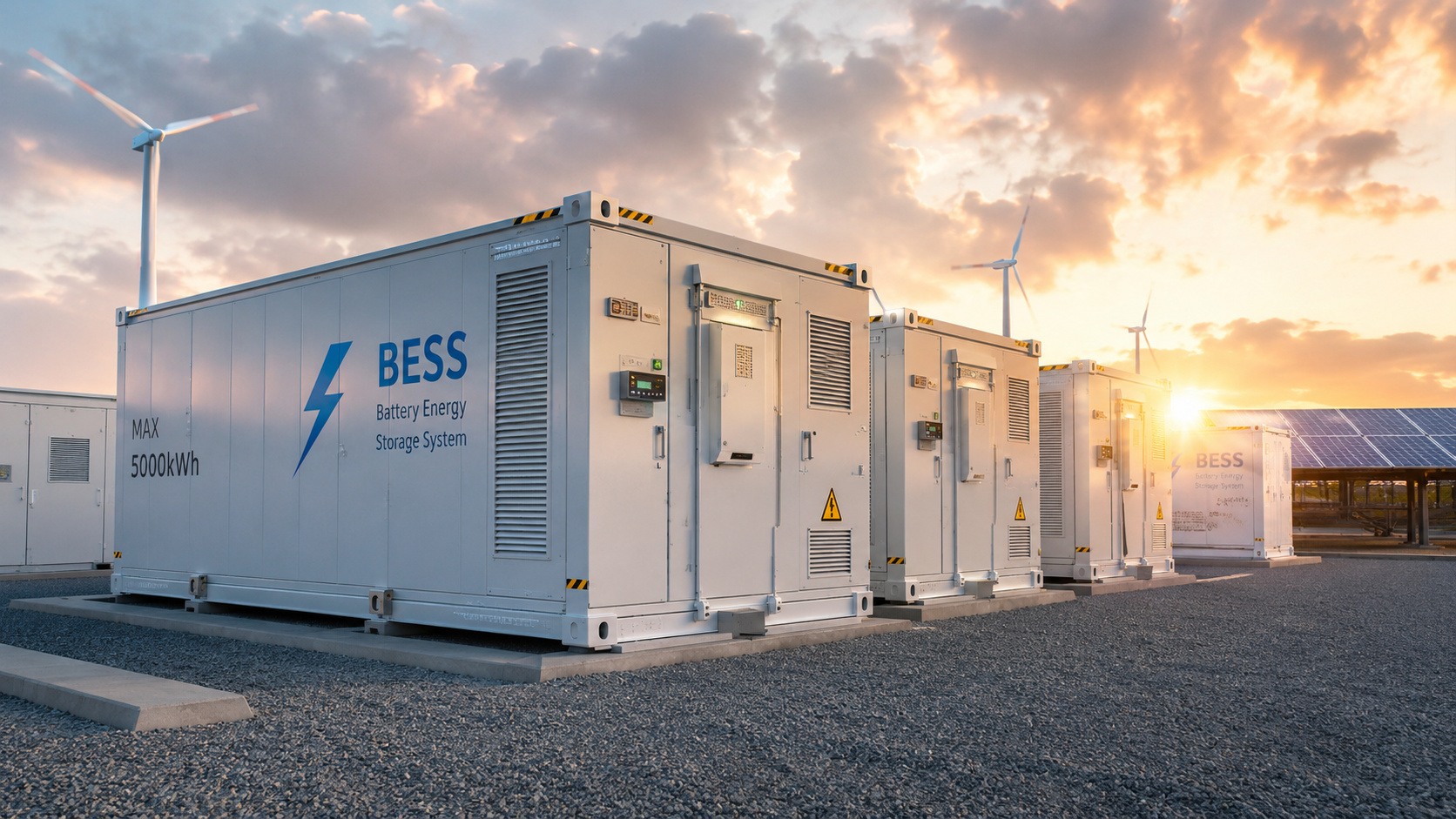
- Battery storage
- Return of nuclear projects
- Expansion of gas plants
Diversification of the energy matrix becomes essential to ensure stability and security in supply.
At the same time, large technology companies are beginning to invest directly in their own generation, seeking to reduce risks and ensure access to the energy needed for their operations.
Artificial intelligence begins to compete with cities for energy
One of the most relevant aspects of this transformation is the change in consumption scale. Data centers focused on AI can demand hundreds of megawatts, putting them in direct competition with entire urban areas.
This creates a new dynamic of energy resource allocation, where decisions about where to install technological infrastructure have a direct impact on energy distribution.
In some cases, data center projects are conditioned on the availability of local energy, which can influence investment and location decisions.
Pressure on the electric grid raises debates about sustainability and cost
The increase in consumption also raises questions about sustainability and energy costs. With higher demand, there is a risk of:
- Increased tariffs for consumers
- Need for rapid infrastructure expansion
- Environmental impacts associated with generation
The equation between technological growth and energy sustainability becomes one of the main challenges of the decade.
At the same time, the pressure for clean sources increases, as part of this growth is linked to commitments to reduce emissions.
The energy market enters a new phase driven by technology
Historically, the growth of electricity consumption was linked to industrial and population expansion. Now, a new factor comes into play: digital technology.
Artificial intelligence redefines the role of energy as the foundation of the modern economy, elevating its strategic importance. This movement could lead to a complete reorganization of the energy sector, with new business models, investments, and public policies.
Although the data is specific to the United States, it reflects a global trend. Other countries that are expanding AI infrastructure and electrification will likely face similar challenges.
What is happening in the U.S. today is likely to be repeated in other economies in the coming years, amplifying the global impact of this transformation. This places energy at the center of discussions about technology, economy, and geopolitics.
Energy growth redefines the limits of modern infrastructure
The projection of 4.244 trillion kWh is not just a record number, but an indicator that the current infrastructure may not be sufficient to sustain the pace of technological growth.
Energy demand becomes one of the main bottlenecks for the expansion of artificial intelligence, creating a new layer of complexity in technological development. Companies, governments, and network operators will have to adapt quickly to avoid structural limitations.