






 Portuguese
  Spanish
  4 min of reading
  0 comments


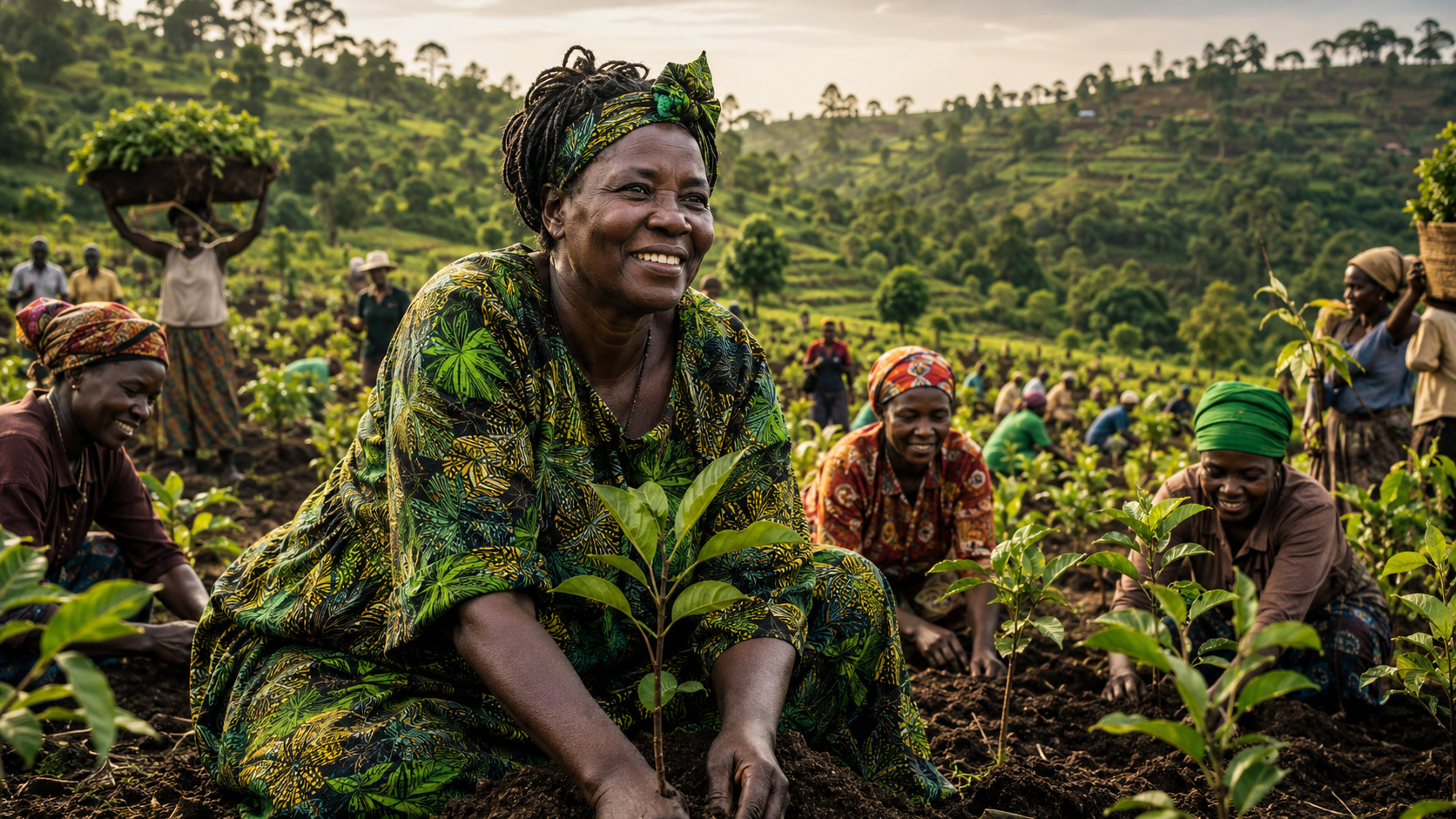
Wangari Maathai created the Green Belt Movement and helped Kenya surpass 51 million trees by transforming planting into income, female mobilization, and political strength.
Wangari Maathai transformed a daily problem faced by rural women in Kenya into one of the world’s most renowned environmental initiatives. In 1977, she created the Green Belt Movement, a movement born to address the shortage of firewood, weakening food security, and advancing environmental degradation in Kenyan communities.
Decades later, the reach of the initiative surpassed local reforestation and became an international reference. According to the Nobel Prize and the Green Belt Movement itself, the mobilization led by Maathai helped Kenya surpass the mark of over 51 million trees, strengthened communities, and projected the activist as a symbol of sustainability, democracy, and female participation.
Reports from rural women gave rise to the Green Belt Movement in Kenya
According to the history page of the Green Belt Movement, the project’s origin lies in the complaints of Kenyans women who reported an increasingly harsh scenario in the countryside.
-
Brazil launches the new national identity in Paraguay, where more than 250,000 Brazilians live, and the document eliminates the need for a passport in 8 South American countries and provides access to 5,000 digital government services.

-
17-year-old balances manual labor on the farm, up to 10 hours of study per day, and gets into Medicine at UFT through Sisu.

-
Hidden beneath icy waters between Alaska and Siberia, a 160 km underwater canyon plunges 2,600 meters and transforms the Bering Sea into a corridor of life.
-
A hospital janitor who also washed cars to make a living has just impressed Brazil by achieving the impossible dream of becoming a doctor at 26 years old and shouting to the world that the janitor has won.


They said that streams were drying up, food supply was becoming less secure, and they needed to walk ever-greater distances to fetch firewood used as fuel and fencing material.


Faced with this situation, Wangari Maathai decided to transform environmental recovery into a practical response to problems directly affecting family routines.
The proposal was simple in form but profound in effect: organize communities to plant trees, recover degraded areas, and restore productive capacity to territories pressured by deforestation.
Tree planting became work, community organization, and environmental recovery
The Green Belt Movement reports that it was founded under the structure of the National Council of Women of Kenya, and from the beginning, it combined environmental conservation with community empowerment.
The organization defines its mission as improving environmental management, social empowerment, and living conditions through tree planting.
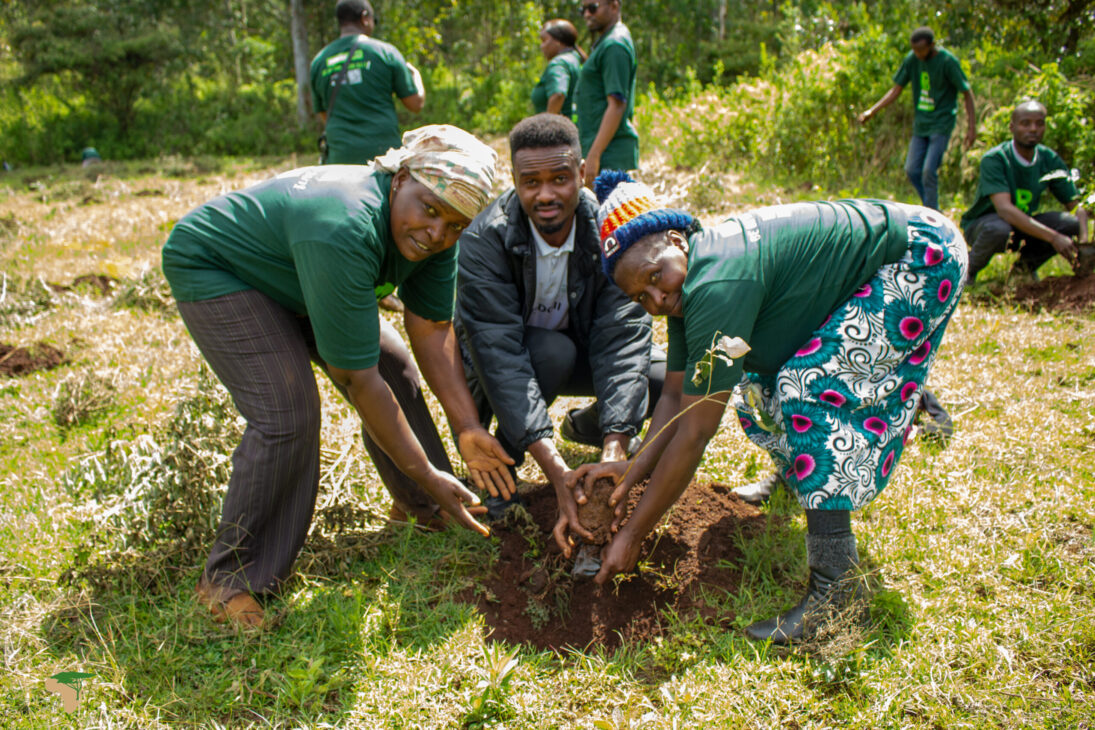
The Nobel Prize highlights that by encouraging women to plant trees, Wangari Maathai helped create job and income opportunities on a local scale.
Over time, the movement ceased to be just an ecological response and also began to function as a social organization structure in communities that directly depended on the land, water, and vegetation for survival.
Mark of over 51 million trees placed the movement among the largest examples of community reforestation
One of the most significant data points in Wangari Maathai’s trajectory is the scale achieved by the project. The Nobel Prize records that the campaign started in 1977 spread and led to the planting of over 51 million trees in Kenya alone, a number that transformed the Green Belt Movement into a global reference for environmental restoration based on community action.
The Green Belt Movement itself maintains that its efforts went beyond the isolated planting of seedlings. The organization began to link reforestation, climate resilience, environmental protection, livelihood improvement, and public participation, showing that landscape recovery can also function as an economic and social defense strategy.
Wangari Maathai transformed reforestation into a symbol of democracy and environmental justice
The historical page of the movement states that as the initiative grew, it also began to act against illegal land appropriation, deforestation, and the destruction of public spaces. At this stage, the Green Belt Movement made it clear that caring for the environment and defending civil rights were in the same field of struggle.

The Nobel Prize summarizes this turnaround directly by stating that the Green Belt Movement has become a symbol of democratic struggle.
This helps explain why Wangari Maathai established herself not only as an environmentalist but as a leader who connected environmental preservation, female autonomy, and citizen participation in a single public agenda.
Nobel Peace Prize established Wangari Maathai as a central figure in global sustainability
In 2004, Wangari Maathai received the Nobel Peace Prize and, according to the Nobel Prize, became the first African woman to win the honor. The international recognition gave even greater dimension to a trajectory that had already shown, since the 1970s, how the environment can be directly linked to peace, democracy, and social dignity.
The prize did not appear as an isolated point but as a consequence of a long construction. By associating trees, job creation, recovery of degraded areas, and civic resistance, Wangari Maathai helped to expand the global understanding of what truly sustains peace in societies pressured by poverty, environmental degradation, and exclusion. Wangari Maathai’s legacy remains alive in Kenya and continues to influence the environmental debate
The history page of the Green Belt Movement states that Wangari Maathai’s work remains at the forefront of environmental defense in Kenya.
The organization continues to link conservation, democracy, community empowerment, and forest restoration, preserving the logic that transformed a local demand into a movement with international reach.
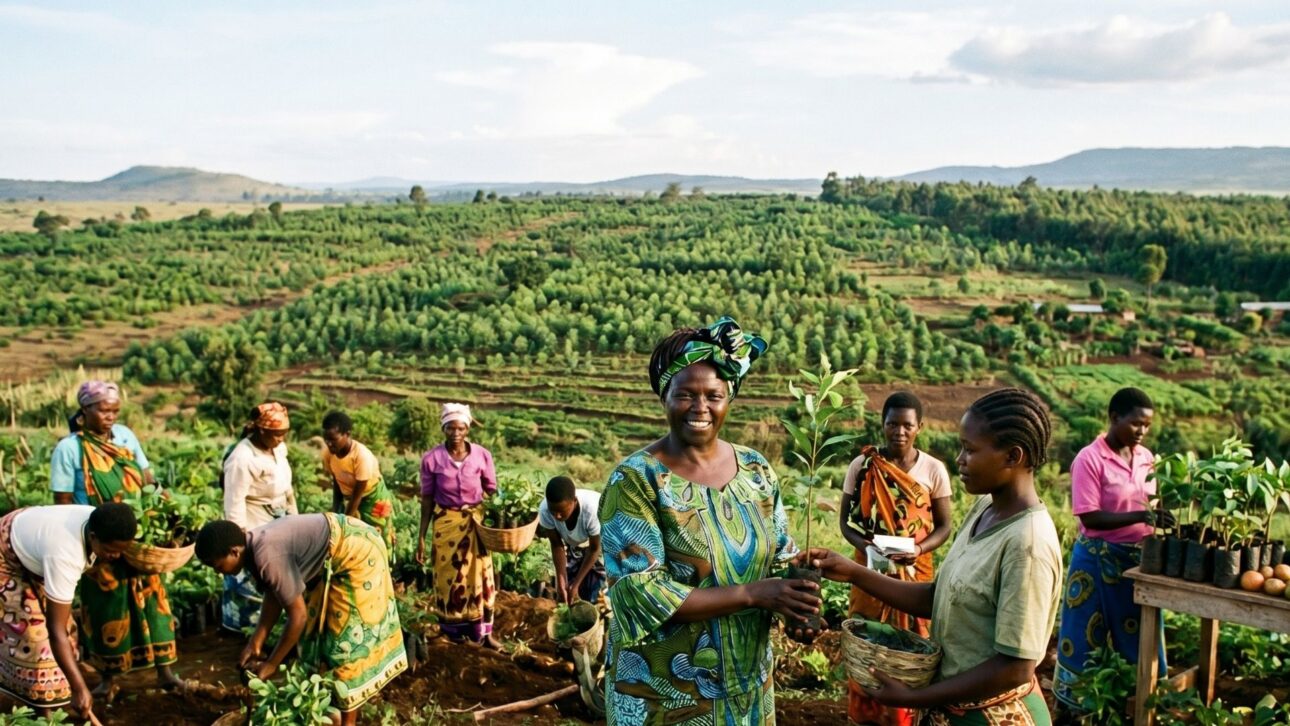
Almost half a century after the first push given by Maathai, the case continues to be remembered because it brought together elements rarely seen on the same scale: organized women, tree planting, response to environmental degradation, pressure for rights, and a mark exceeding 51 million trees in a single country.
It is this combination that keeps the Green Belt Movement among the most influential examples of community restoration ever associated with the African continent.






Be the first to react!