






 Portuguese
  Spanish
  3 min of reading
  0 comments


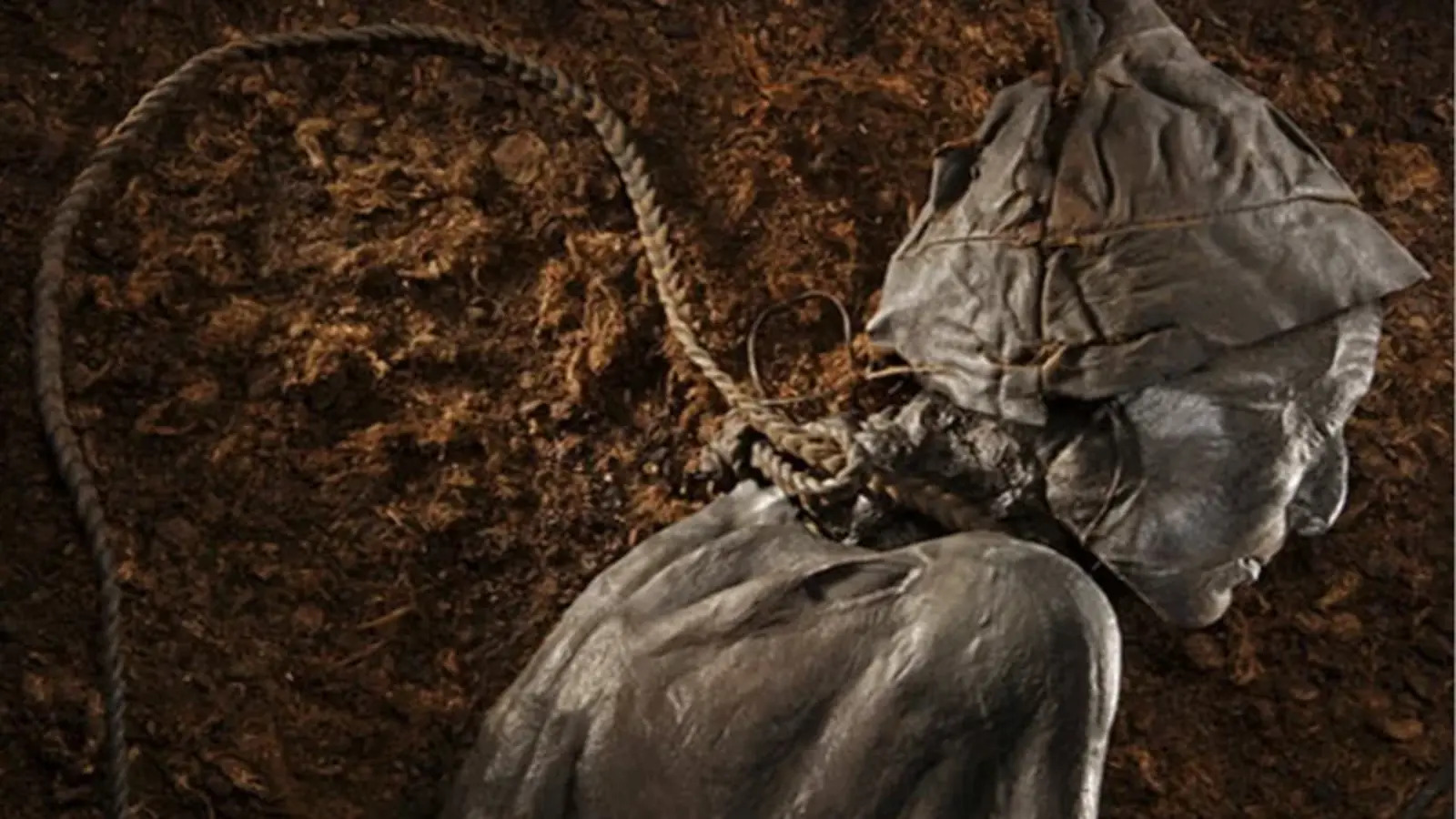
Found in 1950 in Jutland, Denmark, the Tollund Man impresses with the natural preservation of the face, maintained for more than two millennia in an Iron Age peat bog
The Tollund Man, an Iron Age mummy found in 1950 in Jutland, Denmark, draws attention for the unusual conservation of the face even after more than two millennia. Naturally preserved in a peat bog, he retained recognizable human features, light beard, and serene expression.


Tollund Man was found during peat cutting
The discovery occurred by chance in a peat area in Jutland, when workers found the body and, due to the state of preservation, thought it was a recent victim.
Subsequent analyses showed that the man had lived between the 5th and 4th centuries BC.
-
An African fish is terraforming lakes by altering sediments, increasing turbidity, and changing the food chain: the silent advance of the tilapia Oreochromis niloticus

-
In the USA, thousands of people are being paid to wash dishes and clean the house with body cameras, every movement turning into data to train robots to imitate humans, in a new “digital gig” that could redefine the future of domestic work.

-
At 22 years old, a young person from Recife creates an artificial intelligence startup with a team barely over 25, serves giants like Bayer and Ipiranga, earns millions without taking a cent from investors, and transforms a young company into a national AI phenomenon.
-
The invisible danger inside the house: plugging too many devices into the same outlet and spreading extensions throughout the rooms can overload the electrical network, silently heat wires, and turn a common habit into one of the leading causes of house fires.





Known as the Tollund Man, he was between 30 and 40 years old when he died. The case gained prominence because the appearance of the face creates a rare sense of closeness with someone who lived in the Iron Age.
The skin, preserved physiognomy, and calm expression make the mummy appear merely asleep. This visual impact made the find one of the most striking examples of natural preservation in a bog environment.
Bog created rare preservation conditions
The preservation of the Tollund Man was not the result of classic embalming. The body was naturally preserved in a bog environment, where acidity, low oxygen presence, and organic matter from the peat created special conditions.
Sphagnum-rich bogs can slow decomposition and protect soft tissues. In the case of this mummy, this set of factors helped maintain skin, internal tissues, and an important part of the original appearance.
However, preservation does not mean that the entire body remained intact in the same way. While the face and delicate tissues resisted extraordinarily, other parts underwent natural transformations over time.

Studies indicated death by hanging
Investigations showed that the Tollund Man died by hanging. The body was found with a rope still around the neck, a detail that became central to understanding the circumstances of his death.
The position in which he was deposited and the cultural context of the time led researchers to consider the possibility of ritual execution or sacrifice.
The base material does not present a single conclusion but records this hypothesis as a discussed interpretation.
The study of intestinal contents also revealed information about his last moments. The last meal consumed included cereals, seeds, and fish, data that help bring the discovery closer to the routine and lifestyle habits of that period.
Preserved face brings the past closer to the present
The Tollund Man continues to attract attention because it transforms an archaeological trace into a visual encounter with a real person.
The preserved face allows the public to perceive human traits that normally disappear over time.
More than an ancient piece, the mummy helps to show how specific natural environments can preserve fragile details of the human body.
In the Danish case, the combination of bog, peat, and low oxygenation maintained a rare presence from the Iron Age.
This article was prepared based on information from the provided base material, with data, numbers, and statements preserved according to the consulted material.





Be the first to react!