Portuguese
  Spanish


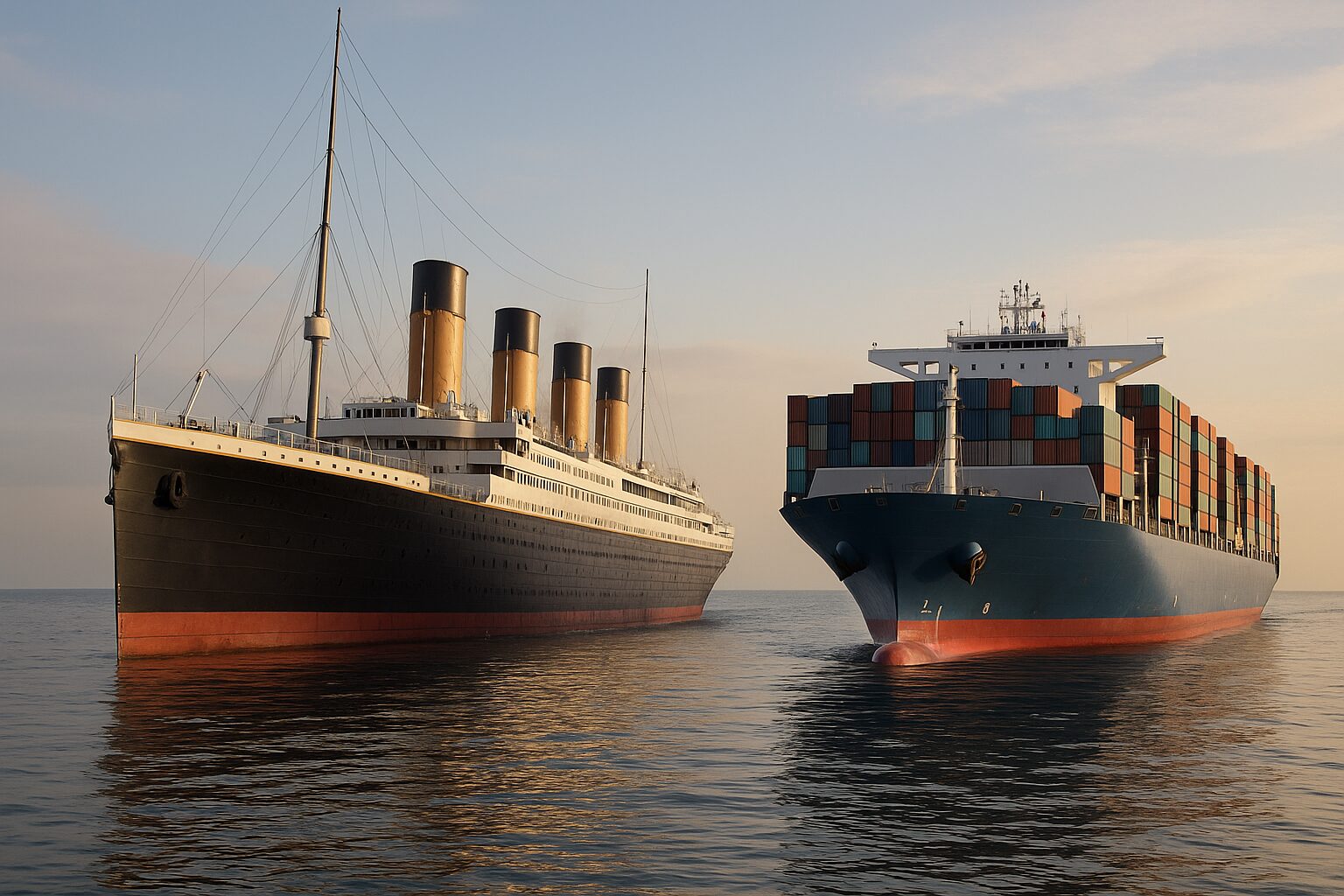

The Titanic Tragedy Exposed Failures in the Steel and Rivets Used in Its Construction. Today, Ships Rely on More Resistant Materials and Cutting-Edge Technology to Confront the Sea
The sinking of the Titanic, in 1912, still echoes as a warning about the limits of the technology of the time. The tragedy revealed serious flaws in the materials used in its construction, especially in the hull steel, and served as a basis for important advances in naval engineering.
The Steel of the Titanic’s Hull
The hull of the Titanic was made of low-carbon steel plates, with a content of less than 0.2% and a thickness ranging from 2.5 to 3.8 centimeters.
The plates were joined by more than three million rivets. In the central part of the ship, the rivets were made of higher quality steel. At the extremities, such as the bow and stern, wrought iron rivets were used — more fragile and prone to failure.
-
North Korean Fiasco: Launch of the Largest Warship Ends in Sinking

-
While giant ships still burn heavy fuel and the maritime sector races against climate targets, Maersk and Vale are starting to bet on ethanol as a new route to reduce emissions at sea.

-
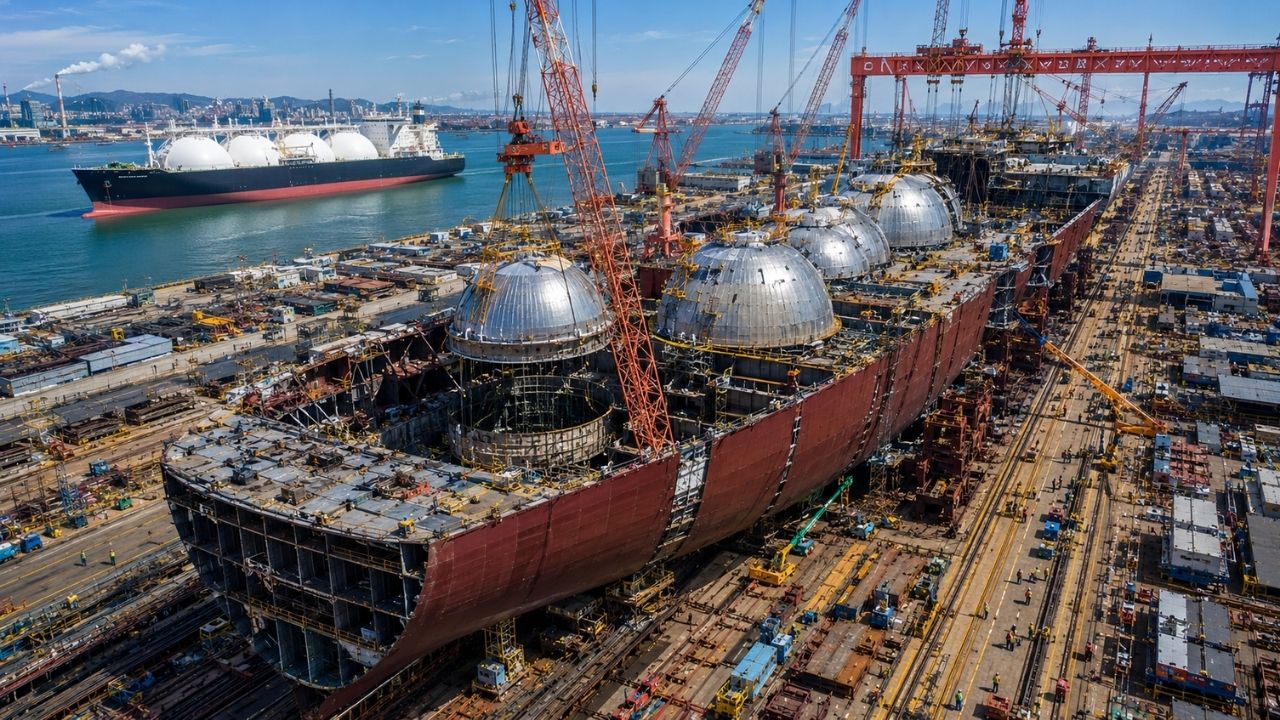
China begins construction of the world’s largest LNG ship, a 344-meter giant capable of supplying 4.7 million homes for a month, carrying 271,000 m³ of gas, and placing QatarEnergy in the largest naval order ever recorded in world history.
-
China is designing a container ship with a thorium nuclear reactor that will operate for 40 years without refueling, and the 25,000-container giant from Jiangnan Shipyard will cross oceans without emitting carbon in an industry that burns 300 million tons of fuel per year.



Tests and metallurgical analyses conducted years later indicated that the steel of the Titanic had high levels of sulfur, oxygen, and phosphorus. These elements weaken the metal’s structure.
Another critical point was the so-called ductile-brittle transition temperature: the ship’s steel became brittle below 32 °C. At the time of the collision with the iceberg, the North Atlantic water was around -2 °C.
During the impact, the wrought iron rivets, which had a higher concentration of slag, broke. This caused the separation of the hull plates, allowing water to quickly flood the ship’s compartments. The combination of fragile plates and inferior rivets accelerated the sinking.
Steels Used in Modern Ships
Today, shipbuilding relies on far more advanced materials. Current steels have superior mechanical properties and greater corrosion resistance, increasing the durability and safety of vessels.
One of the most commonly used is Class A structural steel, common in parts such as hulls, beams, and ribs. In modern ship hulls, the thickness of these plates typically ranges from 15 to 30 millimeters — that is, 1.5 to 3 centimeters — depending on the size and purpose of the vessel.
The AH36 and DH36 classes offer high strength with lower weight, making them ideal for facing severe conditions at sea without compromising the ship’s integrity.
In more aggressive environments, such as direct contact with salt water, stainless and high-alloy steels are used. These materials contain elements such as chromium, nickel, and molybdenum, which ensure excellent corrosion resistance. Components such as propellers and underwater equipment benefit from this type of steel.
There are also steels designed for low temperatures. They maintain strength and toughness even under freezing, being essential for ships operating in polar regions.
Lessons That Shaped the Future
The evolution of materials in the naval industry did not happen by chance. Studying past failures, such as those of the Titanic, was essential to create safer solutions.
Today, the steels used in modern vessels reflect decades of research and innovation, always seeking greater safety, efficiency, and resilience at sea.