






 Portuguese
  Spanish


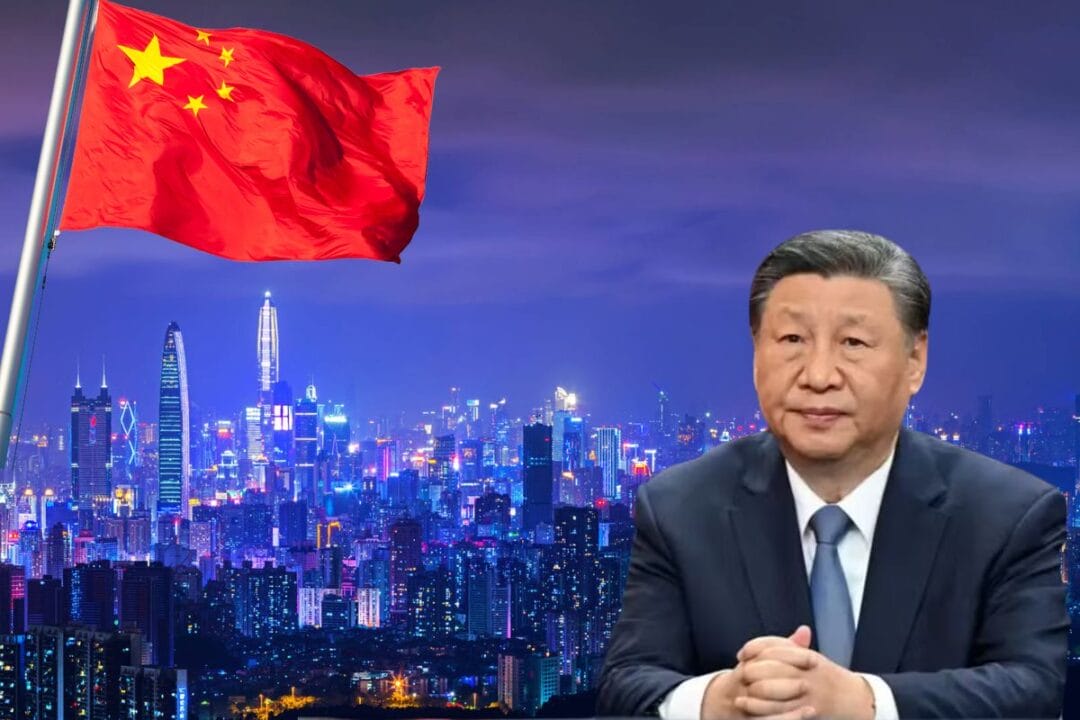


Technical Management at the Helm of the Second Largest Economy in the World Is Solidly Based on Engineering Education
Since 1993, all presidents of China have an engineering background. The high technical and academic standard has been maintained for over three decades, a period during which the country underwent intense industrialization, modernization, and growth.
Jiang Zemin, Hu Jintao, and Xi Jinping: Three Engineers in Charge
Jiang Zemin, president from 1993 to 2003, was a electrical engineer graduated from National Chiao Tung University. He served as mayor of Shanghai and minister of industries before leading the country.
His successor, Hu Jintao, graduated in hydroelectric engineering from Tsinghua University, considered the best in China. He had a prominent role in infrastructure projects, including the Three Gorges Dam, the largest hydroelectric plant in the world.
-
China Tightens Control on Antimony, Driving Prices from $22,000 to Nearly $40,000 per Ton as U.S. Rushes to Bolster Strategic Reserves

-
BlackRock Freezes $1 Billion in Brazilian Renewable Energy, Impacting 1.5 GW of Planned Projects and Highlighting Investor Concerns Over Infrastructure Bottlenecks Cutting Up to 25% of Solar and Wind Generation
-
Labor Shortage: Despite Record Average Salary, 90% of Brazilian Bar and Restaurant Owners Struggle to Hire Key Roles Like Sushi Chefs and Head Cooks

-
Supermarket Deli Counter Attendants in Brazil Could Earn Over $2,100 Monthly by 2026, Plus Benefits Package


Xi Jinping, the current president, is a chemical engineer, also graduated from Tsinghua University. His administration has strengthened the commitment to self-reliant technology and industrial independence.

Industrial Growth Driven by Engineers
According to Anderson Correia, a full professor and former Rector of ITA, over the past 32 years, under the leadership of Chinese presidents with engineering backgrounds, the country has grown by nearly 10% per year on average. This progress was supported by industrial and technological policies articulated by leaders with technical knowledge.
In addition to the presidency, engineering is valued at all levels of public management. Annually, China graduates 3.5 million professionals in Science, Technology, Engineering, and Mathematics (STEM) fields.
The Contrast with Brazil
Brazil has never elected a president with an engineering degree. Two engineers have reached the position indirectly: Aureliano Chaves, as interim, and Itamar Franco, after the impeachment of Fernando Collor.
This contrast reveals differences in approach between the countries. While Chinese presidents have a technical background and focus on industrial development, Brazil still lacks a culture of valuing technical education in high public management.


