





 Portuguese
  English
  Spanish
  3 min of reading
  0 comments


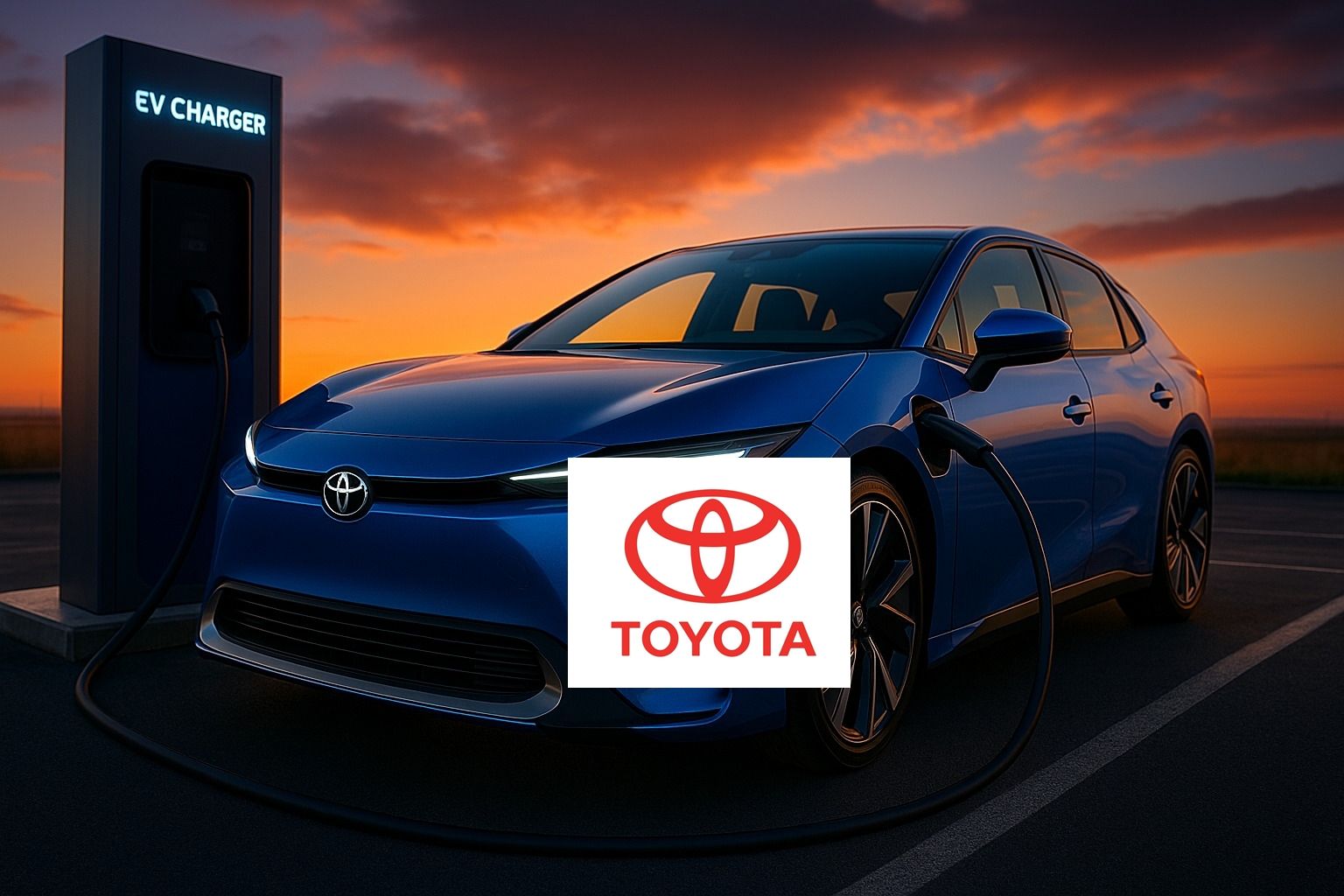
In Partnership With Sumitomo, Toyota Develops Fully Solid-State Batteries Promising Ultra-Fast Charging, Longer Range, and Durability, With Plans To Debut In The Brand’s First Electric Car By 2027
Toyota Motor Corporation announced a significant breakthrough in the race for the next generation of batteries for electric vehicles. In partnership with Sumitomo Metal Mining Co., the Japanese automaker revealed plans to begin mass production of cathode materials used in fully solid-state batteries, considered the “Holy Grail” of the automotive industry.
The first electric car from the brand featuring this technology is expected to hit the market in 2027, a milestone that could transform the future of global mobility.
The Technological Leap Of Solid-State Batteries
The new batteries developed by Toyota replace the flammable liquid electrolyte found in lithium-ion batteries with a more stable solid. This change increases safety, reduces the risk of overheating, and allows for more energy storage in a smaller space.
-
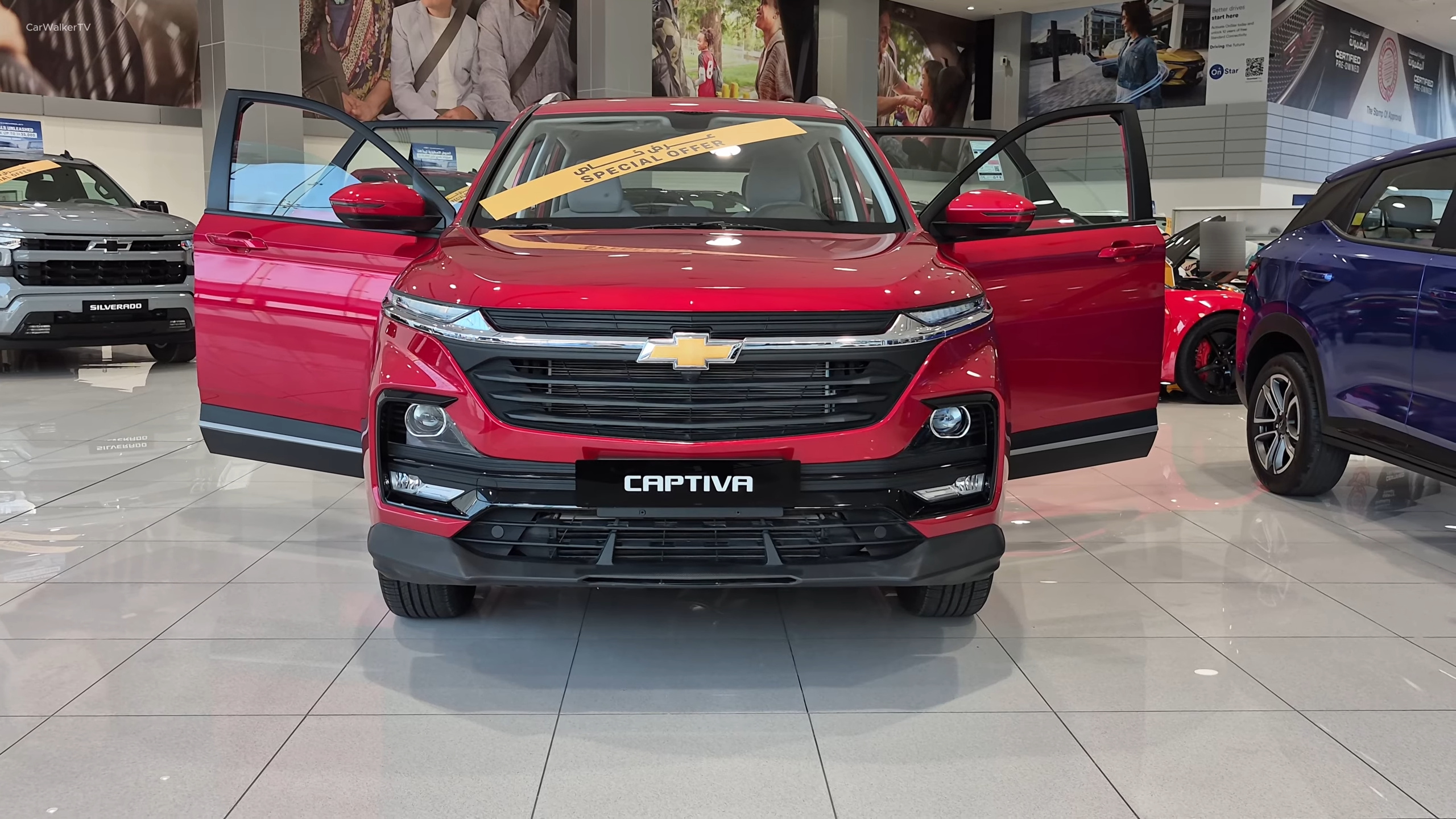
Chevrolet launches a “7-seater family SUV” cheaper than Jeep Commander, Toyota SW4, and Chevrolet Trailblazer in Brazil; Captiva 2026 features a 1.5 turbo engine, CVT transmission, 6 airbags, a 10.4″ vertical screen, a trunk of up to 887 liters, and a family package that GM sells in Mexico but does not offer to Brazilians.

-
Hyundai sells a “sporty compact SUV” cheaper than Jeep Renegade, Volkswagen T-Cross, and Honda HR-V in Brazil; for about R$ 56,000 in conversion without taxes, the Venue N Line has a 1.0 turbo engine with 120 PS, manual or DCT transmission, dual exhaust, level 2 ADAS, 6 airbags, and a sports package that Hyundai sells in India but does not offer to Brazilians.

-
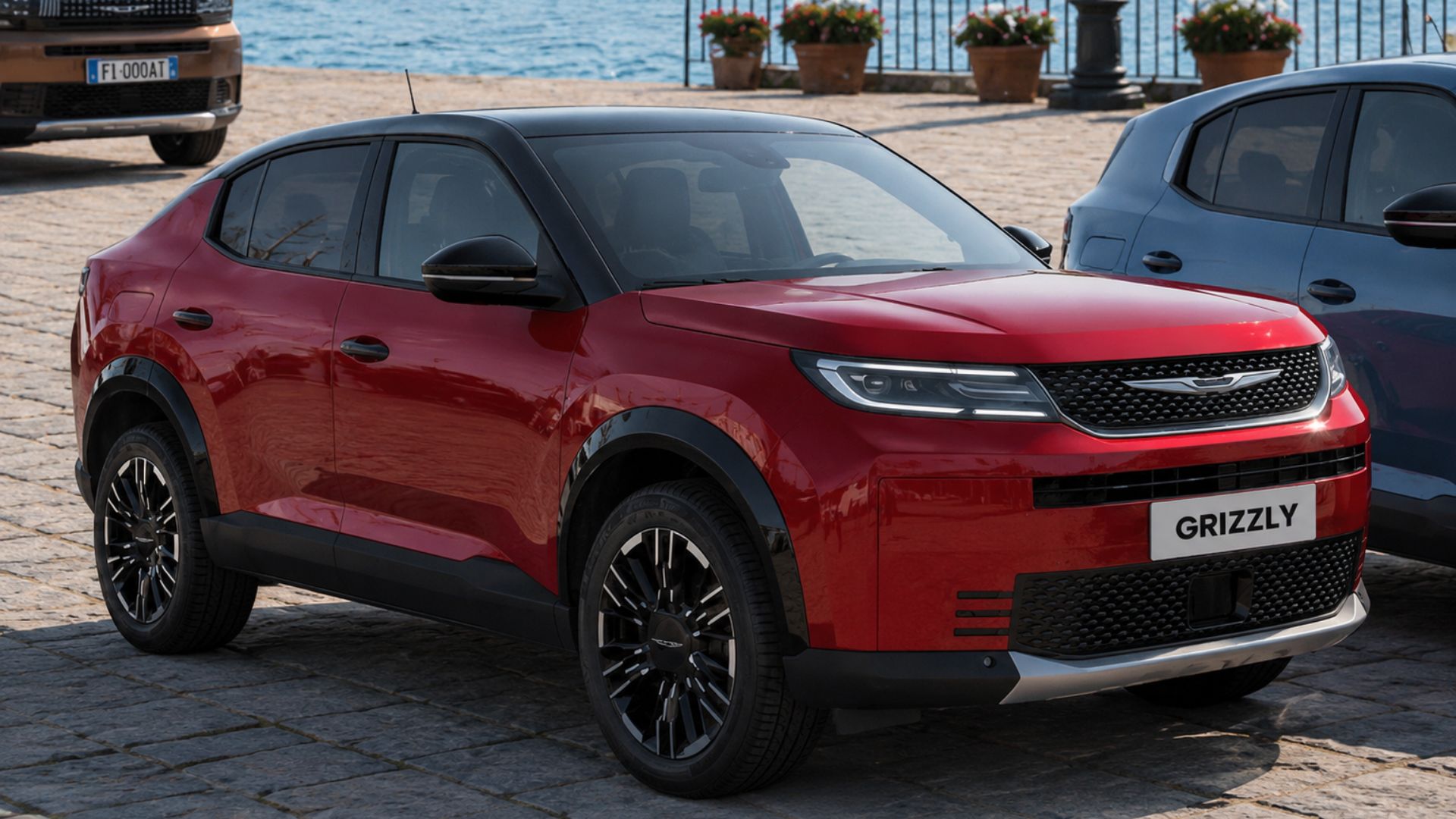
How GMC decided to create a cheaper “mini Hummer” after the failure of giant electric vehicles and revealed radical SUVs that promise to take on the Bronco and Wrangler with a brutal look, futuristic technology, and off-road capability in the USA.

-
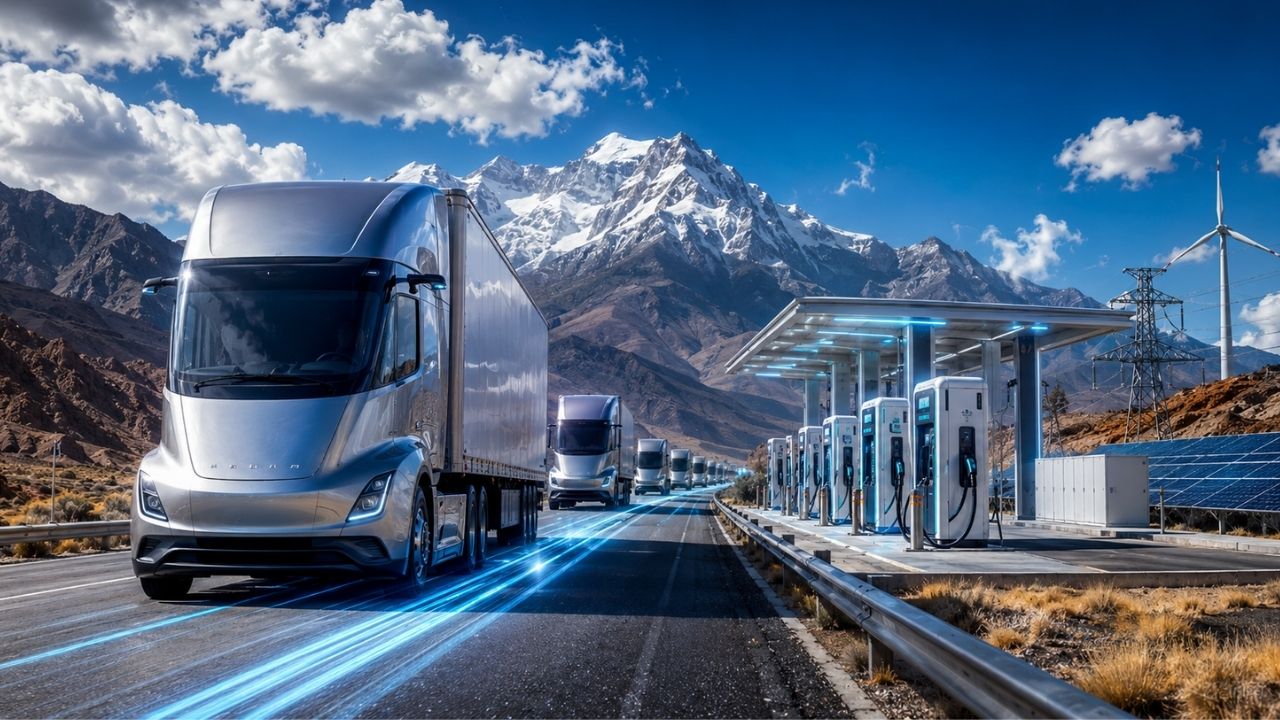
Chile inaugurates the first electric highway for the trucks that drive its economy, installs high-power chargers over 400 km, and aims to reduce diesel dependency in a logistical shift to Puerto Montt by 2030.


The company highlighted that the result will be a “smaller, more powerful, and longer-lasting” component. This means cars with greater range and much faster charging.
The promise is to deliver vehicles that can travel more kilometers with less waiting time at charging stations.
According to Toyota’s statement, the goal is to achieve “the world’s first practical use of fully solid-state batteries in electric vehicles.”
The company believes this technology could redefine the sector, offering unprecedented performance and energy efficiency.
The Role Of Sumitomo And The Strengthening Of The Japanese Industry
The partnership with Sumitomo Metal Mining Co. began in 2021 and focuses on addressing one of the main challenges of solid-state batteries: the degradation of the cathode after repeated charge and discharge cycles. Utilizing its patented powder synthesis technology, Sumitomo developed a “highly durable cathode material.”
According to a spokesperson for the company, the priority will be to serve Toyota, but the company also plans to respond “flexibly” to global demand. Large-scale production is expected to begin in the fiscal year 2028, based in Japan.
The project is part of a national strategy by the Japanese government to strengthen the domestic battery supply chain and reduce dependency on countries like China and South Korea.
Several Japanese companies, including Toyota itself, are investing around US$ 7 billion — the equivalent of 1 trillion yen — in domestic battery production.
The automaker has also received certification from the Ministry of Economy, Trade and Industry (METI) to manufacture the new batteries in the country.
Partnerships And New Steps Toward Commercialization
In addition to the alliance with Sumitomo, Toyota is also collaborating with the Idemitsu Kosan refinery, responsible for the development of lithium sulfide — an essential raw material in solid-state batteries. Idemitsu plans to build a factory capable of producing 1,000 metric tons annually of the material, with mass production anticipated to start in 2027.
Although Toyota’s announcement represents a significant leap toward commercialization of the technology, the path still involves challenges.
Issues such as the supply of raw materials, the complexity of manufacturing processes, and high costs remain obstacles.
Nonetheless, the new advancement signals that Japan is determined to lead the next generation of electric vehicles. For Toyota, achieving the “world’s first practical use” of fully solid-state batteries could solidify its position at the forefront of global automotive innovation.









-

-

2 people reacted to this.