Portuguese
  Spanish


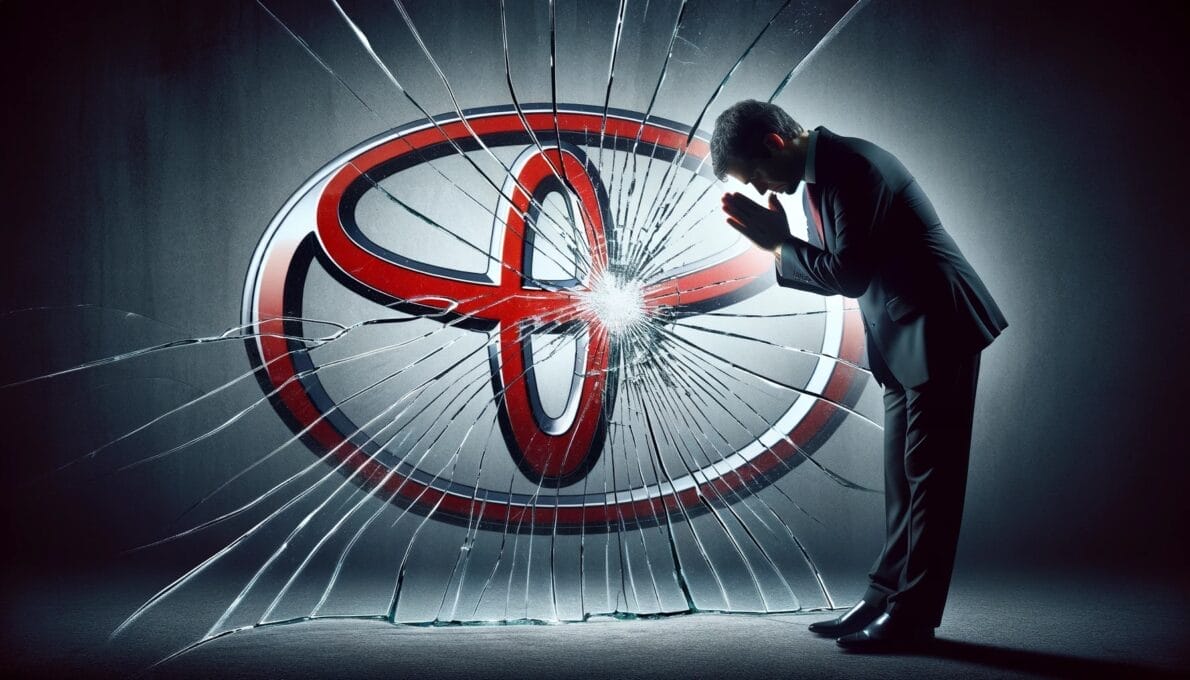

Mazda, Yamaha, Suzuki, Toyota, and Honda Are Under Investigation for Fraud. Understand How the Frauds Happened in These Automotive Industry Giants.
A new large-scale controversy is shaking the credibility of Japan’s leading automotive manufacturers. Toyota, Honda, Yamaha, Mazda, and Suzuki are being investigated by Japan’s Ministry of Land, Infrastructure, Transport and Tourism (MLIT) for alleged fraud in vehicle certification. Discover the details of this investigation that could change the Japanese automotive industry.
MLIT Releases Note on Toyota and Honda – Investigated for Fraud
According to MLIT in an official statement regarding the fraud at Toyota, Honda, and other manufacturers, it is extremely regrettable that these new acts have emerged, as fraud in type designation applications undermines user trust and shakes the very foundations of the vehicle certification system in the Automotive Industry.
The investigations into Toyota and Honda being investigated for fraud by the agency began in April 2023, after an internal investigation revealed that the majority of vehicles from Daihatsu Motor, a Toyota subsidiary, had falsified crash test results for nearly all models in the lineup for years.
-
Fiat Cronos Precision 2018: Affordable Sedan with Spacious Trunk and Reliable Maintenance

-
Volkswagen to Cut Production by 1 Million Cars by 2030, Reducing Jobs and Platforms, Focusing on More Profitable Models

-
Toyota Launches First 100% Electric Car in Brazil: bZ4X with 343 HP, All-Wheel Drive, 361 km Range, Priced at $419,990 BRL, Limited to 99 Units

-
Chinese SUV Achieves 24.4 km/l, Outperforms Toyota Yaris Cross in Real-World Tests with 224 hp Hybrid System, Offers 51-Liter Tank for Greater Range, and Costs Up to R$ 5,000 Less.


Now, not just Toyota, but other market giants have been reported by MLIT. The five companies involved in the investigation have been ordered to halt deliveries of the vehicles under suspicion, but only three of them still have models in production: Toyota, Yamaha, and Mazda. The others committed irregularities in older versions of their cars or motorcycles.
Honda and Toyota Fraud Delay Production in the Automotive Industry
According to the ministry, due to fraud at Toyota, the brand has already halted production of three models, namely the Corolla Fielder, Axio, and the recently launched Yaris Cross, which will be produced in Brazil.
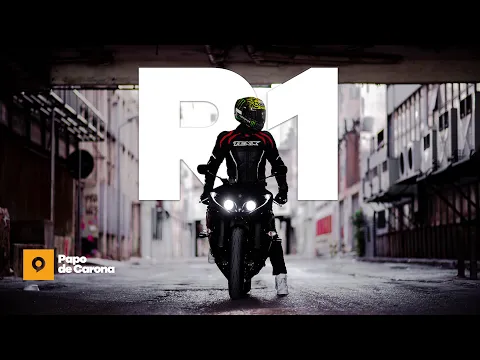

Yamaha has suspended production of the YZF-R1, while Mazda has stopped the production lines of the Mazda 2 and the MX-5 until further notice. In addition to these vehicles from the automotive industry, there is also suspicion of fraud at Honda involving over 20 models such as Fit, Accord, and HR-V. At Toyota, there are Lexus RX and Crown, and at Mazda, there are the Mazda6 and Atenza.
With Mazda, Yamaha, Toyota, and Honda being investigated for fraud, the least affected brand is Suzuki. According to MLIT, only the Alto manufactured between 2014 and 2017 exhibited irregularities in braking tests. The brand reported shorter distances than the actual distance the car needed to stop, which constituted fraud.
With the fraud at Toyota, the brand publicly apologized and promised concrete improvements in internal verification processes and work structures to prevent this from happening again.
What Each Manufacturer Committed Fraud?
In addition to the “small” fraud committed by Suzuki, the Ministry of Land, Infrastructure, Transport and Tourism of Japan detected fraud at Honda, Toyota, Suzuki, and Yamaha. The companies admitted, after internal investigations, to having circumvented the system and apologized for the occurrences.
The fraud at Toyota was characterized by false data in crash tests for models such as Crown, Sienta, Isis, and RX, as well as altering numbers in pedestrian protection tests for Yaris Cross, Corolla Fielder, and Axio.
The fraud at Honda involved false information regarding noise tests for 22 previously produced models, circumventing one of the most important points for car approval in the country.
Mazda committed fraud in crash tests for Atenza, Axela, and Mazda66, as well as altering the software of the engine during testing with the Roadster RF and Mazda2. Finally, Yamaha conducted inadequate noise tests for the YZRF1, and false data was reported after horn tests with the YZF-R3 and T-Max.