Portuguese
  Spanish


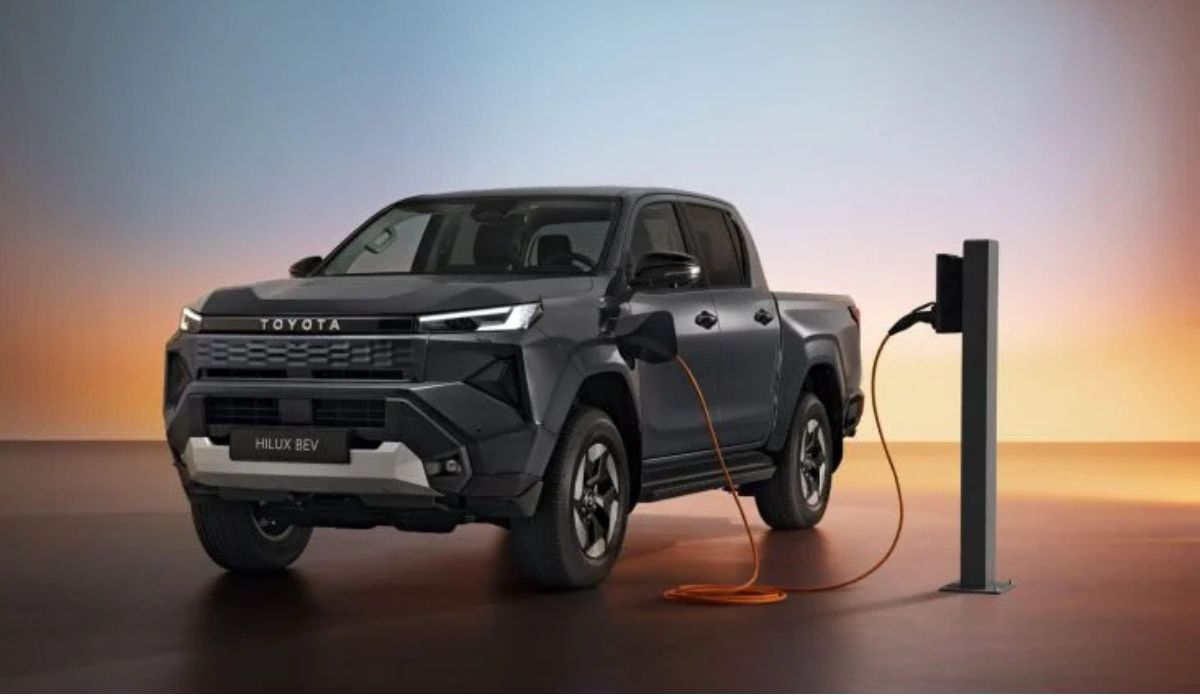


New Generation of the Pickup Expands the Offer of Technologies in Europe, with Total Electrification, Update of the Diesel Engine and Design Changes, While Maintaining Focus on Commercial Use, Stricter Environmental Standards and Launch Schedule Defined for 2026.
Toyota introduced the ninth generation of the Hilux at the Brussels Motor Show in Belgium and confirmed the expansion of the European pickup line with the introduction of a 100% electric version and an update to the diesel setup, which now includes a 48V mild hybrid system.
With over five decades of production, the Hilux maintains the construction on a ladder chassis, a solution traditionally associated with vehicles aimed at cargo transport and off-road use.
According to the portal AutoPapo, the strategy aims to adapt the model to current emissions standards in Europe without altering its structural base.
-
End of the Affordable Car Era: Fiat Argo 1.0 2026 Offers 14.7 km/l Efficiency and Easy Maintenance, but $18,000 Price Raises Cost-Benefit Concerns

-
Honda XR 300L Tornado Special Edition 2026: Off-Road Focused Motorcycle with 293.5cc Engine, 24.3 HP, Priced at $6,200
-
Indian Government Offers Up to $1,000 Incentive for Drivers to Swap Old Cars for Electric Vehicles

-
Jetour S06 Launches in Brazil as a More Affordable Plug-In Hybrid SUV Than BYD Song Plus and Haval H6, But Tests Highlight Its Shortcomings


Hilux BEV Expands Electrification with Focus on Commercial Use
The main technical novelty is the Hilux BEV, developed with a focus on commercial applications.
The electric version uses a 59.2 kWh battery and employs electric motors on the front and rear axles, ensuring permanent all-wheel drive.
According to data released by Toyota, the estimated range reaches 380 km in urban cycle and about 257 km in the combined WLTP cycle, parameters used for homologation in Europe.
The model also features the Multi-Terrain Select switch, which adjusts traction and control parameters according to the type of terrain.
Diesel Engine 2.8 Receives 48V Mild Hybrid System
In addition to the electric version, the new generation retains the 2.8 turbo diesel engine, now paired with a 48V mild hybrid system.
The system includes a lithium-ion battery and a generator motor that assists in the operation of the engine.
According to the manufacturer, the system helps to reduce fuel consumption and emissions, in addition to making the start-stop activation more progressive and providing support in start-up situations.
The company’s expectation is that this setup will concentrate the majority of sales in the European market.
Updated Design and Unique Configuration in Europe

In design, the Hilux undergoes a visual update, with a redesigned front and changes to the body.
Toyota reports that, in Europe, the new generation will be sold only in the double cab configuration, accompanied by an update to the driving assistance package.
Regarding the timeline, the manufacturer expects to begin sales of the Hilux BEV starting in April 2026, with the arrival of the 48V Hybrid version scheduled for July of the same year.
Information about prices and versions will be released later, according to each market.