Portuguese
  Spanish


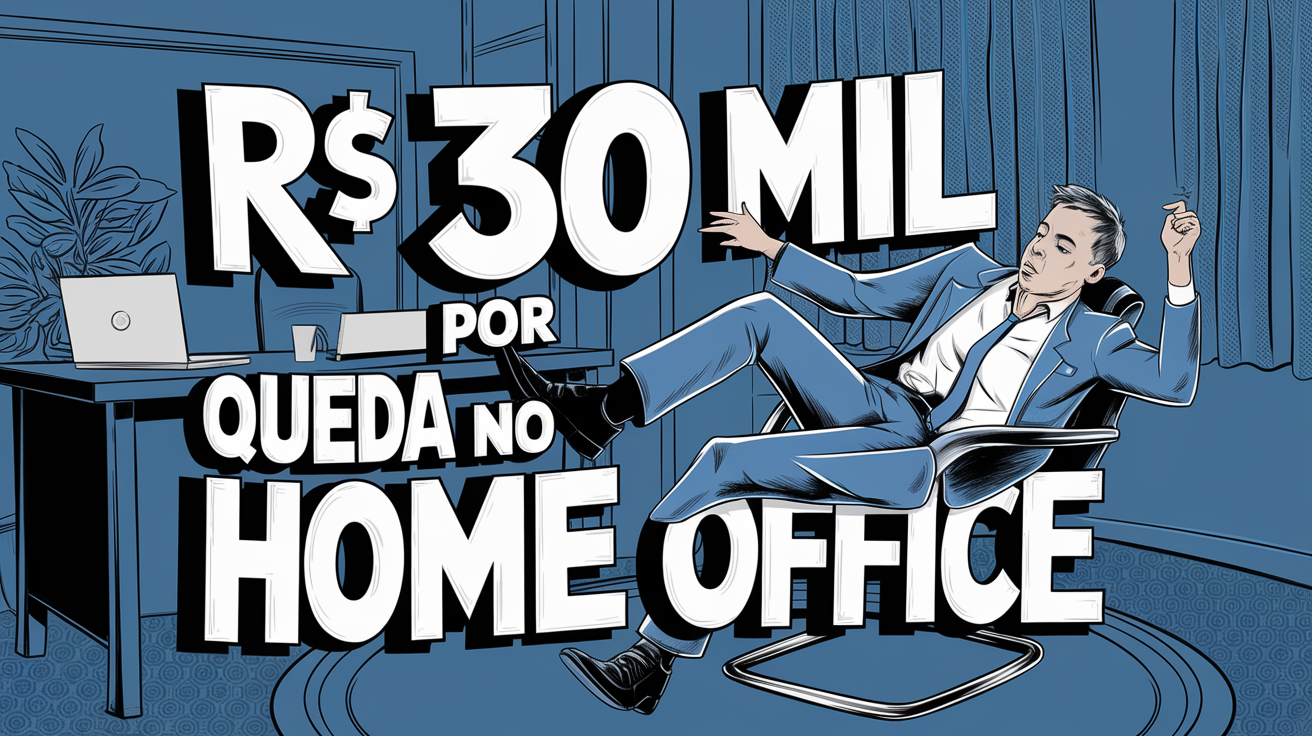


In an episode that alerts to the risks of home office, a telemarketing employee was compensated R$ 30 thousand after suffering a fall due to an inadequate chair provided by the company.
In recent years, the remote work model, known as home office, has become a common practice in Brazil, especially after the COVID-19 pandemic.
This modality has brought various advantages, such as flexibility and time savings, but it has also raised important questions about the responsibility of companies regarding the health and safety of employees outside the corporate environment.
Recently, a case drew attention to the legal challenges of home office.
-
Brazilian Mayor Goes Undercover as Homeless for 24 Hours to Assess Public Services

-
15-Year-Old Entrepreneur Malu Lira Publishes 20 Children’s Books on Financial Education, Earns $500,000, and Expands Her Project to the Amazon Rainforest
-
Brazil’s 2026 Tax Refund: Record 9.58 Million Filers in Largest Payout Ever, But a Key Detail on Priority Recipients Draws Nationwide Attention

-
Itaú Alters Hybrid Work Model, Increasing Office Days from 2028, Prompting Employees to Adjust to New Routine




According to the Migalhas portal, a worker from a telemarketing company fell while working from home, resulting in a fracture of a bone in his right hand.
The accident occurred at the beginning of his work shift, when the chair he was using broke, leading to an absence of approximately 45 days.
The Labor Court condemned the company to pay R$ 30 thousand in moral damages, citing negligence for not providing adequate equipment for the activity.
Employer Responsibility in Home Office
Judge Mirella D’arc de Melo Cahú, from the 4th Labor Court of João Pessoa/PB, emphasized that, by authorizing the home office regime, the employer assumes the responsibility to ensure the safety and health of employees, including the guarantee of an ergonomic work environment, even outside the company’s premises.
In the case in question, the company did not prove to have conducted any evaluation of the complainant’s work environment, nor did it provide ergonomic equipment, such as an adequate chair for telemarketing work, constituting negligence on the part of the company.
The Importance of Ergonomics in Remote Work
Ergonomics is essential to prevent injuries and ensure the well-being of workers.
In the home office environment, it is crucial for companies to guide and provide the necessary equipment so that employees can perform their duties safely.
This includes suitable chairs, desks at the correct height, and equipment that meets the specific needs of each activity.
The lack of attention to these details can lead to accidents and health problems for which the company may be held responsible.
Legislation and Precedents on Accidents in Home Office
Brazilian labor legislation equates remote work to in-person work concerning rights and duties.
Article 6 of the Consolidation of Labor Laws (CLT) establishes that there is no distinction between work performed on the employer’s premises and that executed at home, provided the prerequisites of the employment relationship are present.
This means that accidents occurring during home office can be considered work-related accidents, with the same legal implications.
In another case, the 1st Labor Accident Court of the Capital, in São Paulo, denied the request for accident benefit to an employee in remote work who fell at home, injuring his right wrist.
The decision considered that there were insufficient elements to characterize the accident as work-related, highlighting the importance of evaluating each situation individually.
Obligations of Companies in the Remote Work Regime
With the growing adoption of home office, it is crucial for companies to establish clear policies and provide guidance to employees on how to set up a safe work environment at home.
Moreover, they should provide necessary equipment and conduct periodic assessments to ensure that working conditions are adequate.
The failure to comply with these obligations may result in liability for accidents and occupational diseases.
For specialists, the case of the man who received compensation after falling from a chair at home highlights the importance of the responsibility of companies to ensure the safety of employees, even in the home office regime.
It is essential for employers to be attentive to remote working conditions, providing the necessary resources and appropriate guidance to prevent accidents and ensure the well-being of their employees.