Portuguese
  Spanish


Discovery of 30 Graves Near Aarhus Reveals Complex Social Structure and Luxury Objects of the Viking Elite in the 10th Century.
Construction workers were conducting routine excavations around Aarhus, Denmark, when a surprising discovery interrupted their work.
Instead of traces from the Iron Age, as previous research indicated, 30 Viking graves emerged, many of them rich in artifacts. Archaeologists from the Moesgaard Museum were called in and confirmed the significance of the find.
Unexpected Discovery in Danish Soil
The archaeologists were searching for signs of pre-Roman settlements. The initial idea was to find remains from the Iron Age.
-
China Reclaims Supercomputer Crown with LineShine, Surpassing US’s El Capitan by 20% Without GPUs, Despite High Energy Consumption

-
Injured Amazon River Dolphin Rescued by Local Community and Real-Life “Aquaman” in Brazil’s Tocantins River

-
Spanish Startup Develops Europe’s Densest Solid-State Battery at 402 Wh/kg
-
Telescope Launched 80 Billion km from Earth Could Use the Sun as a Giant Lens to Magnify Exoplanets, Potentially Revealing Continents, Oceans, and Signs of Life



However, as they progressed with the excavations, they encountered one grave after another.
In many of them, there were coins, pearls, ceramics and even a wooden coffin with refined details. The site was already known to house a Viking farm discovered decades earlier.
“We simply did not expect to find graves,” stated Liv Stidsing Reher-Langberg, who oversaw the excavation. For her and her team, the surprise was total — and the surprises continued to emerge as the graves revealed more details.
Connections to Viking Nobility
The discovered graves date back to the 10th century, a period when King Harald Bluetooth ruled. He is known for unifying Denmark and spreading Christianity.
Just a kilometer away, a Viking mansion had already been found. Now, with the graves surrounding it, archaeologists believe the site served as a cemetery for a noble family or those connected to it.
According to Mads Ravn, an expert from the Moesgaard Museum, the cemetery is probably linked to the ancient Lisbjerg mansion. He suggests that members of the extended family of the farm were buried there.
Some graves are more elaborate, with ceramics and jewelry, while others are simpler. This difference, according to specialists, may indicate the social division of the time.
Nobles and enslaved individuals appear to have been buried in the same location, but with different treatment.
“People took to the grave what was important to them,” Ravn explained in an interview with The Guardian.
The Most Striking Grave: A Woman with Refined Objects
Among all the graves, one caught the most attention. Inside a wooden coffin, carefully removed as a block of earth to preserve its contents, there were objects of great symbolic and artisanal value.
X-rays revealed an ornamental scissors, a gold thread, a needle, pearls, a silver bead, and possibly a brooch and a golden ribbon.
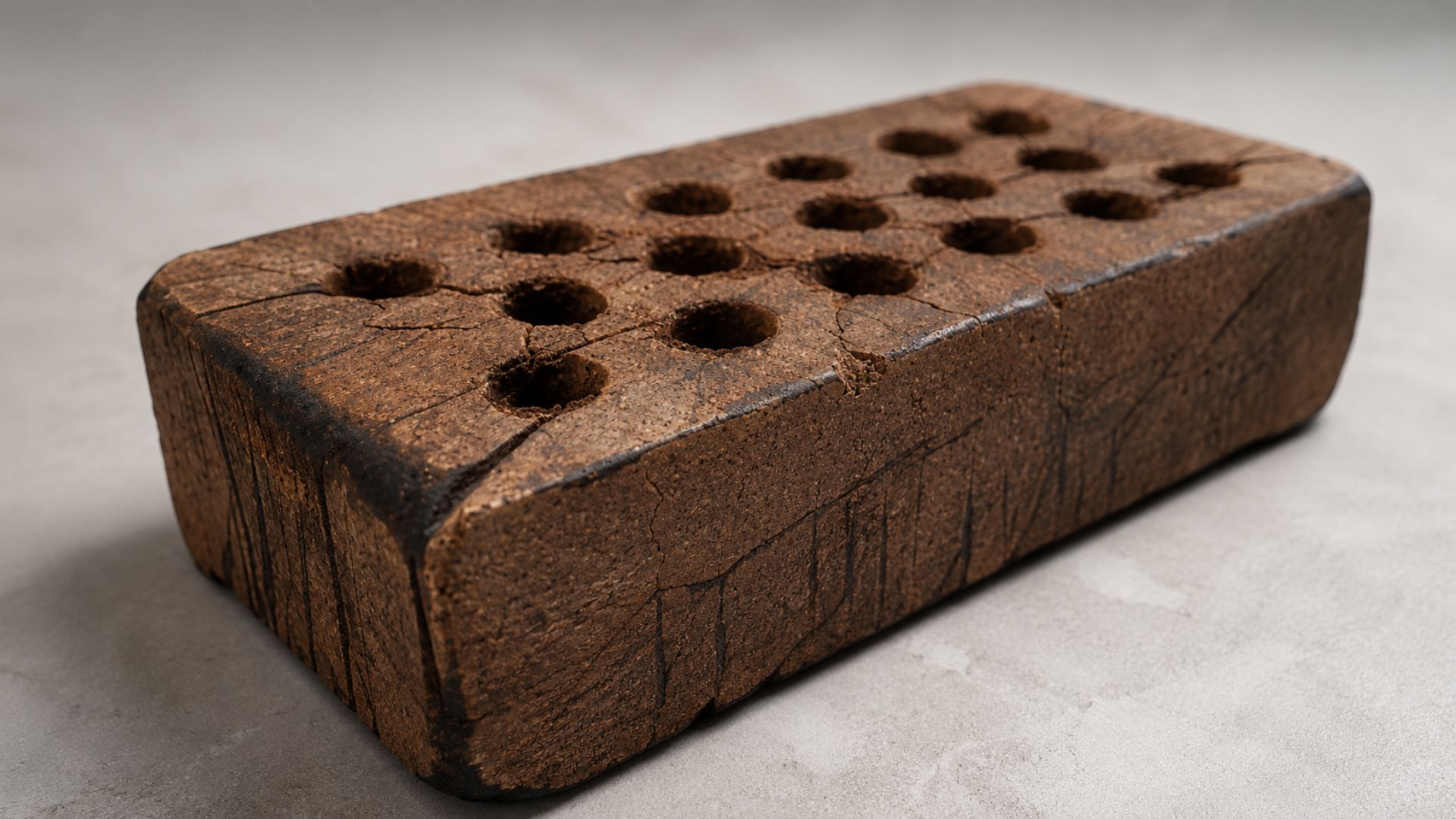
The wooden box, approximately 32 square centimeters, possibly made of oak, resembles the famous Bamberg coffin, an aristocratic object from the same period.
The detailed work and presence of jewelry indicate that the buried individual was an important woman.
“She was probably someone of great relevance,” said Naja Kjærgård Laursen, spokesperson for the museum. Her name is unknown, but the contents of the grave suggest a privileged life.
She may have been the wife or daughter of a local chief. Perhaps even something more.
A New Image of Viking Denmark
The discovery offers a different portrait of the Vikings, who are often seen as warriors and navigators.
The graves reveal a complex society, with well-defined political, economic, and familial structures. They also show a powerful elite connected to the king himself.
“The chief of Lisbjerg wielded enormous power — economic, political, religious, and social,” stated Reher-Langberg to the website Live Science.
But this power also revealed inequalities. The difference between luxurious and simple graves points to a world of privileges and subordination, possibly with enslaved individuals and lords buried side by side.
Analysis and Exhibition of the Finds
Now, researchers are starting a new phase. They will analyze the remains, such as bones, teeth, and soil samples, in search of clues about origin, diet, and diseases.
The objects found are being preserved and studied in the Department of Natural Sciences and Conservation at Moesgaard.
The Moesgaard Museum plans to open an exhibition with the artifacts this summer, allowing the public to closely explore a hidden chapter of Viking history.