





 Portuguese
  English
  Spanish
 2 min of reading


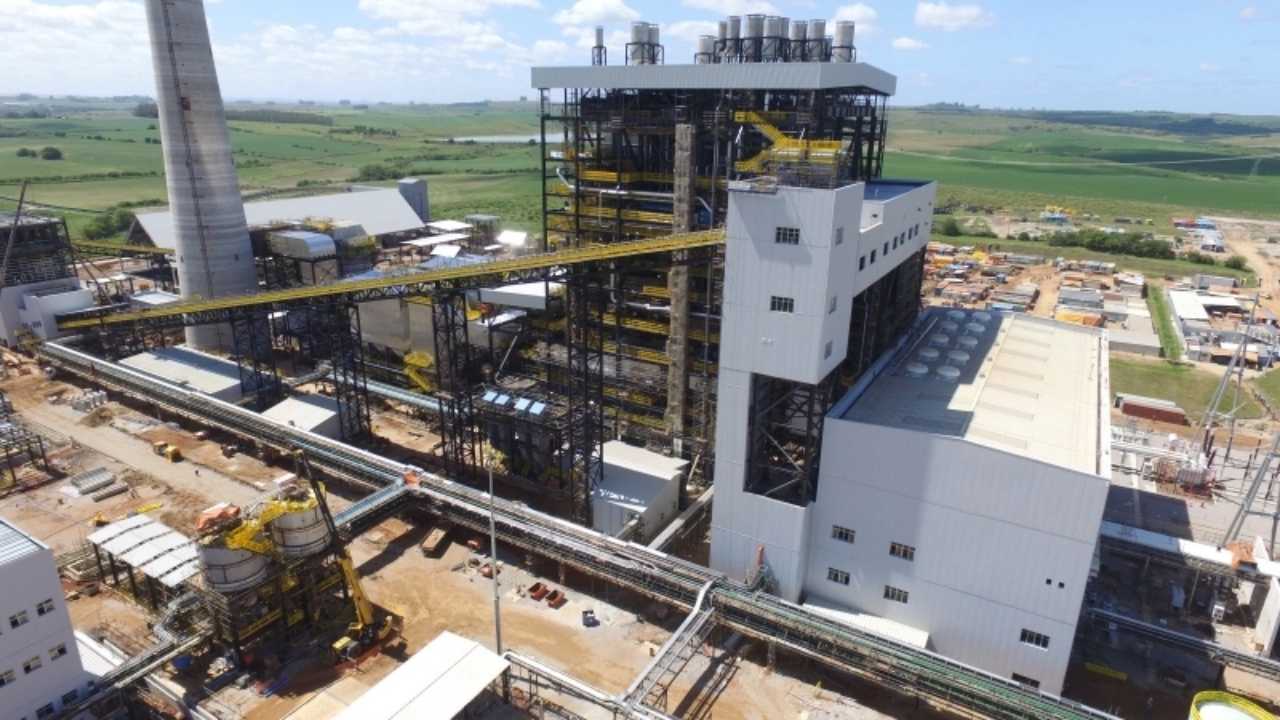
Engie Exits Coal Power Market to Invest in Clean Energy. Today, 613 Employees Work at the Plant.
As part of its decarbonization strategy, Engie Brasil signed a contract yesterday (09/15) for R$ 2.2 billion, including R$ 1.8 billion in debts, for the sale of Pampa Sul, marking its exit from coal generation in Brazil. Today, 113 direct employees and another 500 outsourced workers are employed at the plant.
The thermoelectric plant, which has a generation capacity of 345 MW and is located in Candiota (RS), was sold to the investment funds Grafito and Perfin Space X, managed by Starboard and Perfin, respectively.
The project to build the plant originated in 2014, through the A-5 auction. The 25-year supply contract prompted an investment of R$ 1.9 billion by Engie (then Tractebel).
-
The Brazilian Army had R$ 1.5 billion planned for operations, but a freeze on Defense funds halted actions at the borders against drugs, illegal mining, and factions.

-
Rio wants to use Petrobras’ billion-dollar credit to reduce its R$ 203 billion debt with the Union and cut monthly payments by more than R$ 300 million.
-
Few people know this, but Nestlé created a campaign that paid R$ 162 to pet owners with pets named Nescau, Galak, Chokito, or KitKat, turning dog and cat names into advertising within the home.
-
CRM with AI: How to Optimize Sales and Customer Service in 2026


It is worth noting that the plant has long-term energy sales contracts in the regulated market (up to 2044), with a variable cost of around R$ 60 per MWh. The concession ends in 2050.
The new owners will invest about R$ 150 million in the asset, aiming to achieve a carbon emission reduction of up to 5% (75,000 tons of CO2 equivalent/year). Additionally, they are committing to cease the plant’s operations by 2040 – ten years before the concession deadline – and three and a half years before the end of a regulated market energy sales contract established in 2014.
The Thermoelectric Plant Was the Last Coal Asset Remaining from Engie Brasil
The plant was the last remaining coal asset in the company’s portfolio, and the sale is in line with the company’s goal of prioritizing a carbon-neutral economy. Since 2013, Brazil’s largest private energy generator has also divested from the Alegrete and Charqueadas plants.
Moreover, last year, Engie sold the Jorge Lacerda Thermoelectric Complex in Santa Catarina to Diamante Energia, which will continue operating.
“These moves were accompanied by massive investments in wind and solar energy, as well as transmission infrastructure, which are our growth vectors to contribute to an increasingly renewable energy matrix for the country,” says Eduardo Sattamini, CEO of the company, in a statement.




Be the first to react!