






 Portuguese
  Spanish


Discover How the Energy Transition Ensures Electricity to Isolated Regions, Promoting Social Inclusion, Development, and Sustainability in Remote Areas of Brazil.
The access to electricity in isolated regions has always represented a historical challenge in Brazil, especially because deep regional inequalities have marked the country’s development. Since the colonial period, when economic exploitation was concentrated in a few regions, to the present day, the Amazon and other remote territories have faced structural barriers that limit access to energy.
Moreover, the concentration of investments in large urban centers has left many communities without adequate electrical infrastructure, perpetuating social inequalities and hindering sustainable growth.
Throughout the 20th century, Brazil built large hydroelectric plants, primarily in the Southeast and South, to supply industries and urban centers. Although these initiatives established the country as a major electricity generator, isolated regions, especially in the Amazon, remained on the margins of progress.
-
Brazilian scientists are simultaneously advancing two research projects on clean hydrogen and driving solutions that could transform the energy matrix, enhance industrial competitiveness, and accelerate large-scale emission reduction targets.

-
Advancement in renewable energy: A R$ 150 million project launched by Petrobras and Finep aims to create state-of-the-art electrolyzers for green hydrogen, strengthening national research and preparing Brazil to compete in a billion-dollar energy market.
-
Illiterate or semi-literate grandmothers were trained to repair solar systems, open rural workshops, and light up homes that still depended on kerosene.
-
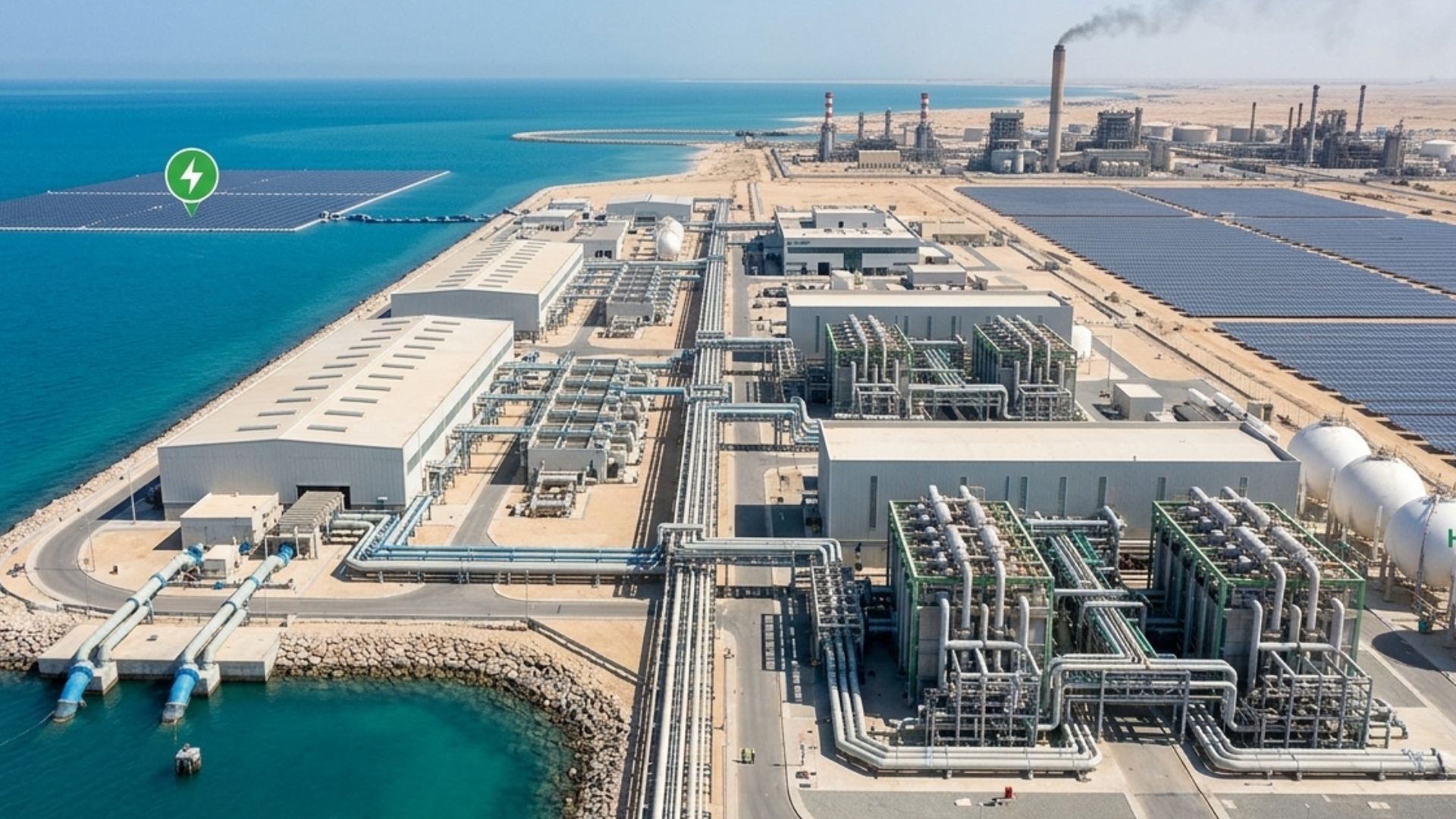
The world has bet on green hydrogen as the fuel of the future, but now faces the side effect: producing 1 kilogram requires about 9 liters of ultrapure water, and the largest projects on the planet are precisely in the driest regions of the Earth, where water is already scarce for people.




Thus, small towns and rural communities continued to rely on precarious local energy sources, such as diesel generators or improvised solutions, which compromised economic and social development.
Furthermore, the need to bring electricity to isolated regions became even more evident with urbanization and the expansion of education and healthcare. Without reliable electric power, schools do not operate fully, hospitals can only handle basic cases, and the population faces difficulties in accessing clean water and communication.
Consequently, the lack of electricity encourages the burning of wood and other natural resources, exacerbating deforestation and climate change.
For decades, the absence of structured policies further aggravated energy exclusion. Therefore, many remote regions became economically unviable for the expansion of transmission networks, reinforcing dependence on unreliable sources.
This historical reality demonstrates that the concentration of wealth and decision-making power in large centers has hindered balanced development, leaving isolated communities at the mercy of improvisation and government abandonment.
The Role of the Energy Transition
In recent years, the concept of energy transition has gained momentum in Brazil, especially due to global discussions on sustainability and the holding of international conferences such as COP30.
Thus, the energy transition seeks to gradually replace fossil fuels with renewable sources, such as solar, wind, and biomass, offering clean and decentralized solutions.
For isolated regions, this transition represents a historic opportunity to access reliable and sustainable energy, breaking decades of exclusion.
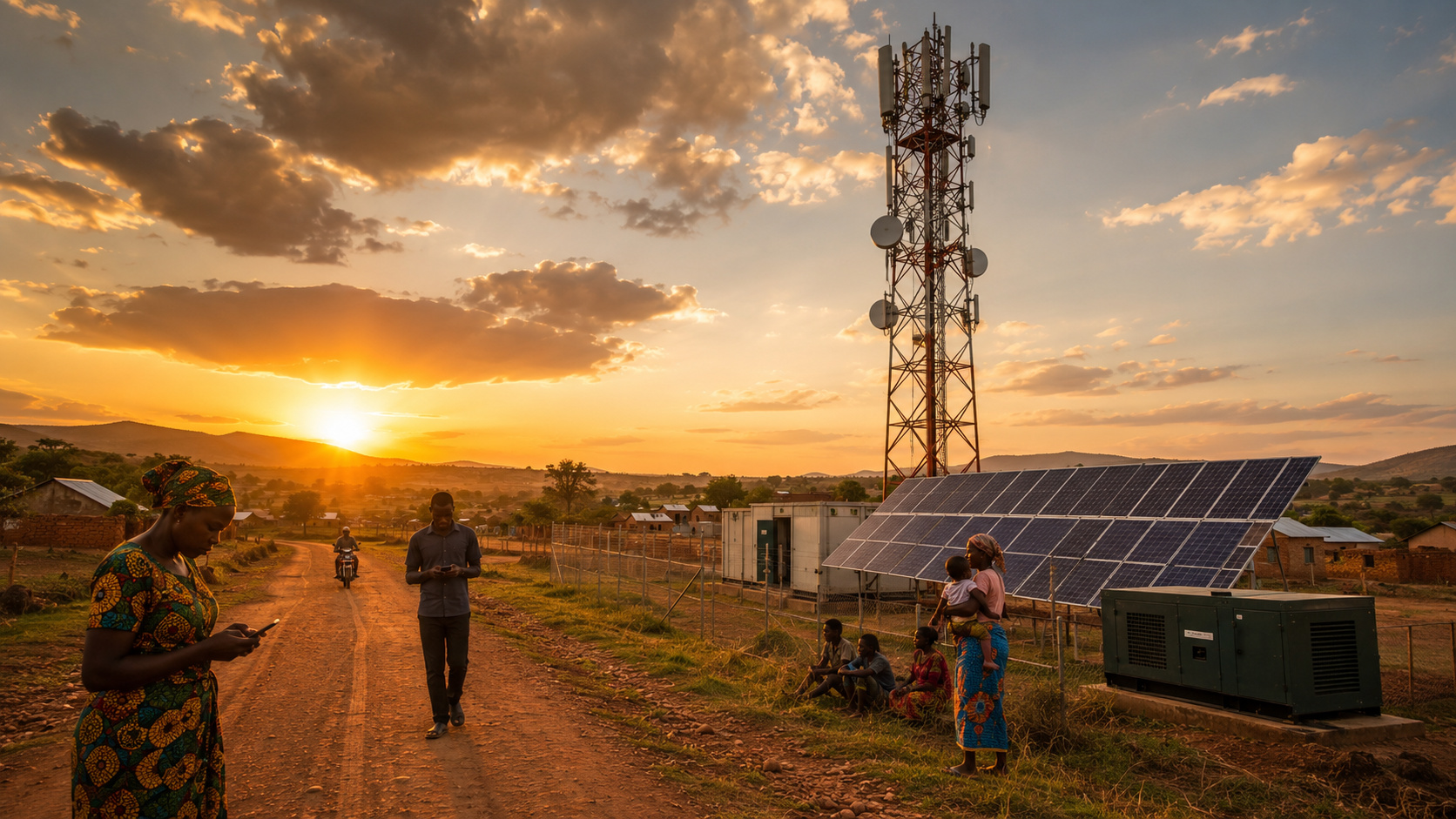
A central aspect of the energy transition in isolated regions is the implementation of community solar systems. Small photovoltaic units can be installed in villages and riverside communities, ensuring energy for lighting, communication, and refrigeration of food and medicine.
Moreover, these systems eliminate the need for complex transmission line extensions, which often make electrification of remote locations unfeasible. At the same time, solar energy projects promote autonomy, lower long-term costs, and strengthen the resilience of communities in the face of energy crises.
For example, the experience of some Amazonian communities shows that the adoption of decentralized technologies goes beyond mere electrification.
With access to energy, schools install computer labs, hospitals properly store vaccines, and small businesses thrive, creating jobs and stimulating regional commerce.
Therefore, bringing electricity to isolated regions transforms not only the infrastructure but also the very social and economic dynamics of communities.
Additionally, the history of electricity supply in Brazil shows that consistent public policies ensure the success of electrification in isolated areas.
Previous programs, such as Luz para Todos, expanded access to electricity in many rural regions; however, significant gaps remain, especially in the Amazon.
Thus, integrating communities into the planning and execution of energy projects increases the effectiveness of initiatives and ensures that energy reaches those who truly need it.
Social Impact of Electrification
The social dimension of electrification cannot be ignored.
Bringing electricity to isolated regions is not just a technical issue but also a matter of social justice. Consequently, traditional communities, such as indigenous and riverside populations, have faced historical exclusion from the benefits of development.
Electricity improves quality of life, generates local economic opportunities, and strengthens education and health, promoting social inclusion in a sustainable manner.
Without structured actions, these populations remain on the margins of national progress, perpetuating centuries-old inequalities.
Another relevant historical issue involves the exploitation of natural resources. For decades, the Amazon provided wood, minerals, and oil to other regions but reinvested little in local infrastructure.
On the other hand, the energy transition offers an alternative to change this scenario by prioritizing accessible renewable energy, which directly benefits communities and preserves the environment.
At the same time, by reducing dependence on fossil fuels, the country decreases environmental impacts and contributes to combating climate change.
Moreover, the technological advancement has brought innovative solutions to isolated regions.
In addition to solar energy, hybrid systems that combine wind, biomass, and battery storage ensure continuous supply even in difficult-to-access areas.
Thus, these decentralized technologies demonstrate that it is possible to bring electricity to isolated regions sustainably, without solely relying on the expansion of large transmission networks, which require high investments and long timelines.
At the same time, community involvement in maintaining these energy systems proves essential.
Empowering local residents to operate and repair equipment promotes autonomy, reduces costs, and strengthens environmental awareness.
Thus, electrification becomes not just an issue of infrastructure but of building citizenship, social responsibility, and environmental sustainability.
Paths to a Sustainable Future
The implementation of a National Energy Transition Plan is crucial to consolidate these advances.
Therefore, a structured plan must prioritize clear goals, consistent public financing, and participation from local communities, ensuring that projects address the real needs of the population.
Brazil, by hosting internationally relevant environmental events, must demonstrate coherence between discourse and practice, effectively investing in solutions that bring electricity to isolated regions and promote social and environmental justice.
Historically, the expansion of electricity has always been linked to economic and social development.
Every time a community gains access to reliable energy, new opportunities arise: schools operate adequately, hospitals expand their services, small businesses thrive, and communication with the outside world becomes possible.
Thus, the energy transition, by bringing electricity to isolated regions, represents not only a technological advancement but a profound change in people’s lives, offering dignity, autonomy, and hope for the future.
In summary, bringing electricity to isolated regions remains a historical challenge that demands strategic planning, appropriate technology, and social commitment.
Consequently, the energy transition offers tools to overcome decades of exclusion, promoting universal access to energy and environmental preservation.
Ensuring electric power in remote areas means investing in human development, social inclusion, and the sustainability of the country, building a fairer and more balanced future.
By integrating communities, technology, and public policies, Brazil has the opportunity to transform isolated regions into examples of progress and innovation, showing that electrification can serve as a tool for social and environmental transformation.








Be the first to react!