Portuguese
  Spanish


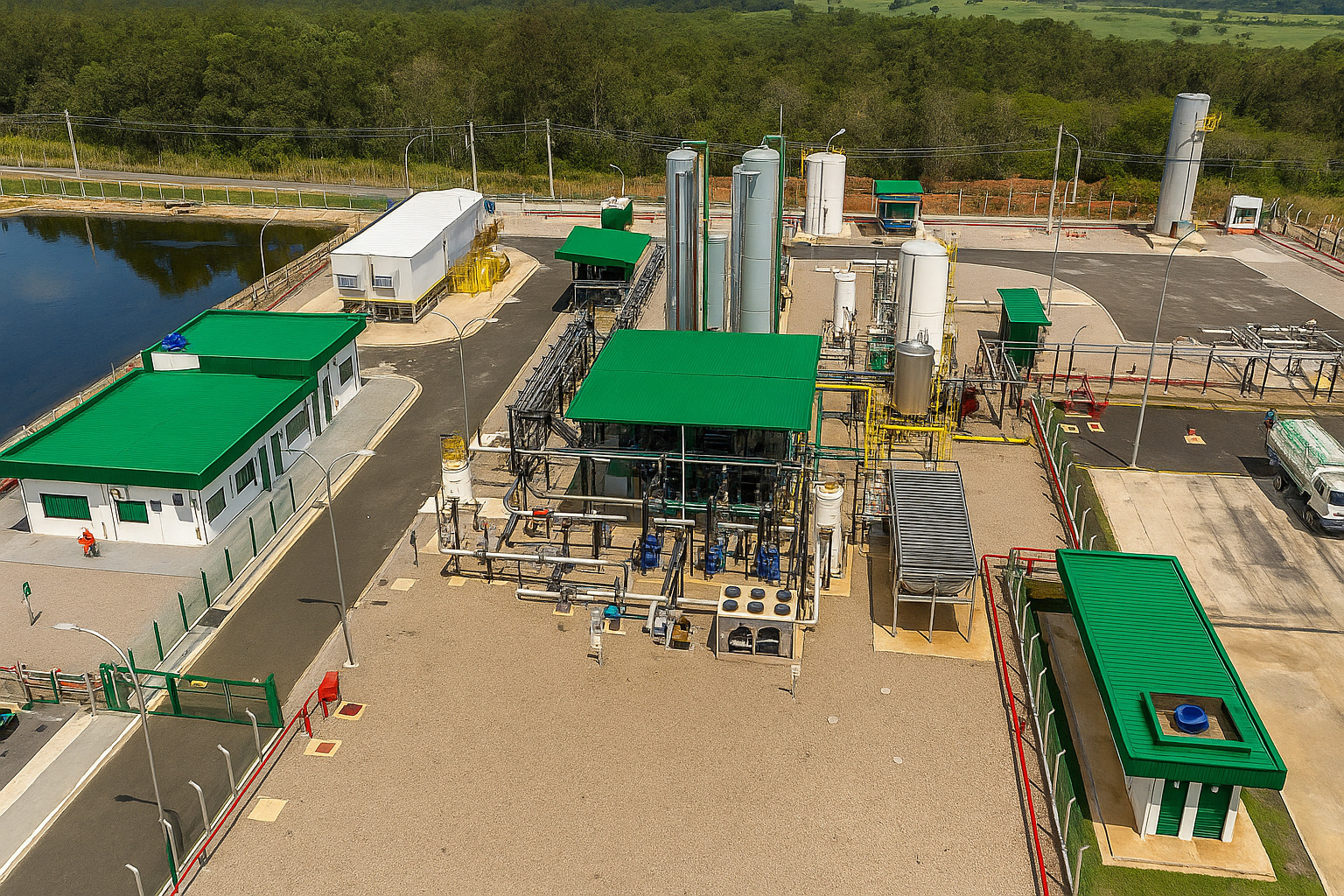


Meet Biometano Sul, A Landmark in Energy Transition in RS, Transforming Waste into Clean Energy and Strengthening Local Sustainability.
The state of Rio Grande do Sul takes an important step in its journey towards sustainability with the inauguration of the first biogas plant in the state, Biometano Sul.
Indeed, this project marks the energy transition in RS, demonstrating how technological innovation and waste utilization can generate clean energy while at the same time strengthening the local economy.
Biometano Sul operates at the Sustainable Valorization Unit (UVS) of CRVR, in Minas do Leão, producing 66 thousand cubic meters of biometano per day. A renewable fuel capable of replacing fossil sources in industrial, commercial, and residential applications.
-
Brazilian scientists are simultaneously advancing two research projects on clean hydrogen and driving solutions that could transform the energy matrix, enhance industrial competitiveness, and accelerate large-scale emission reduction targets.

-
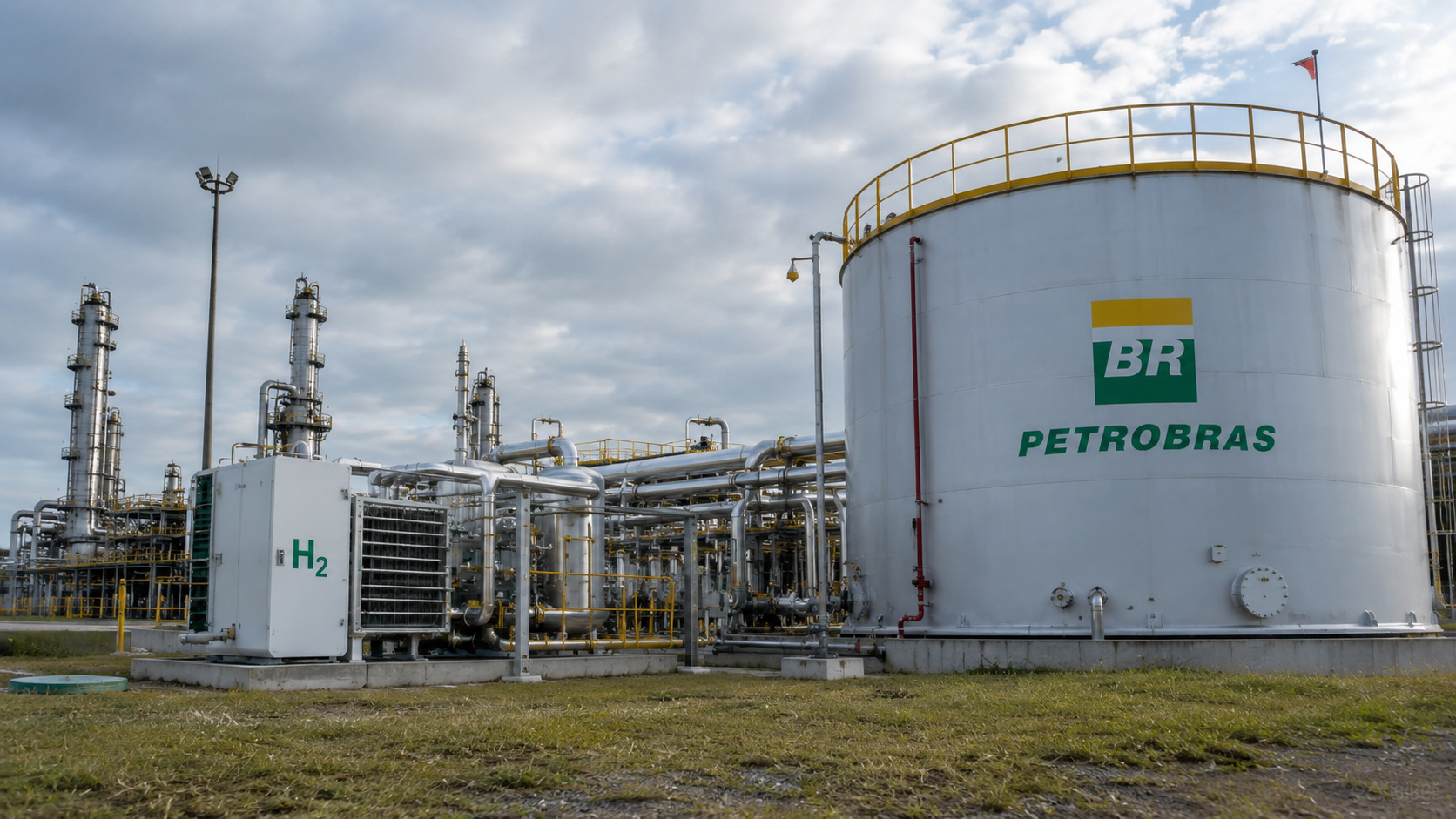
Advancement in renewable energy: A R$ 150 million project launched by Petrobras and Finep aims to create state-of-the-art electrolyzers for green hydrogen, strengthening national research and preparing Brazil to compete in a billion-dollar energy market.
-
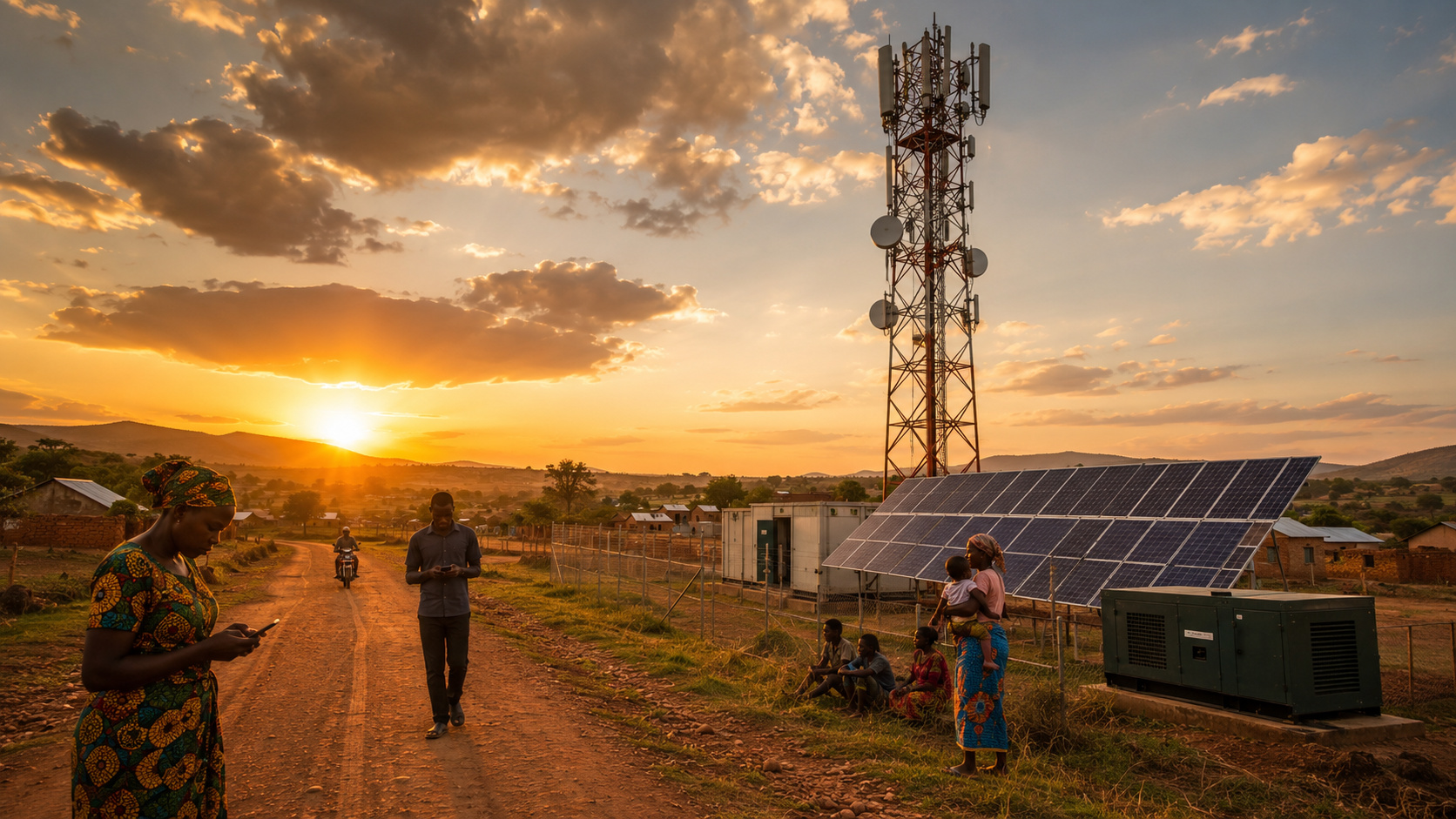
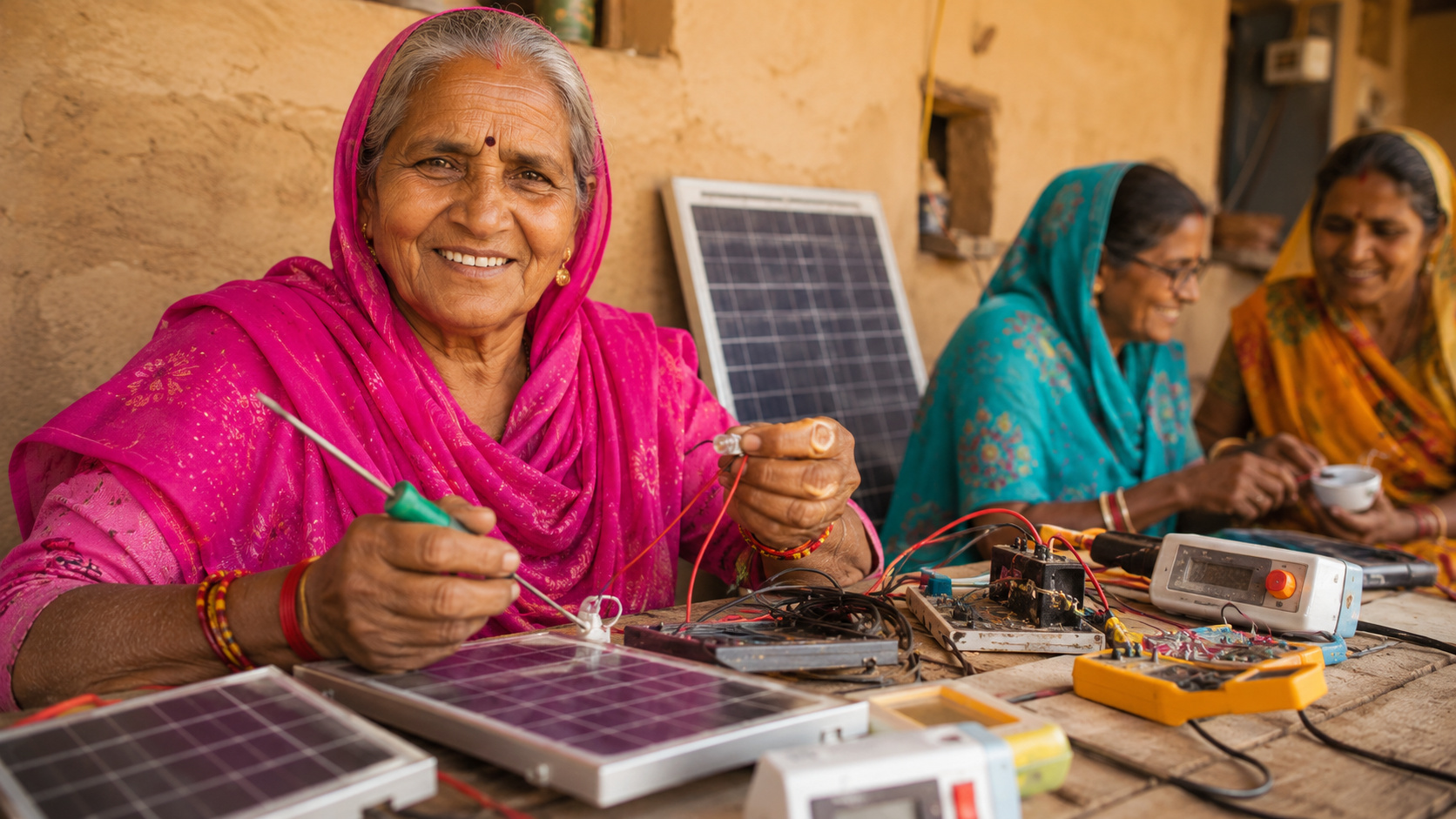
Illiterate or semi-literate grandmothers were trained to repair solar systems, open rural workshops, and light up homes that still depended on kerosene.
-
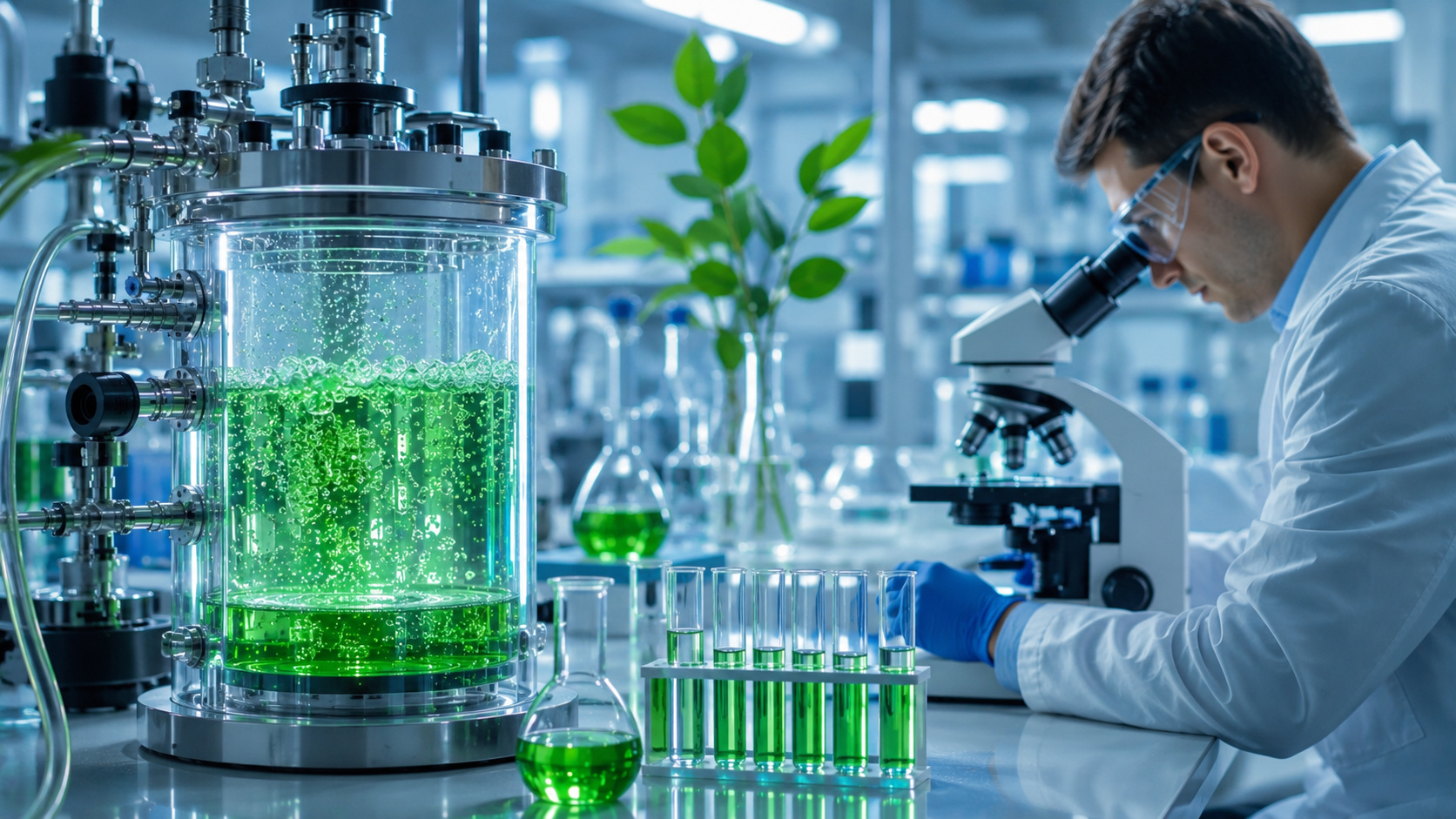
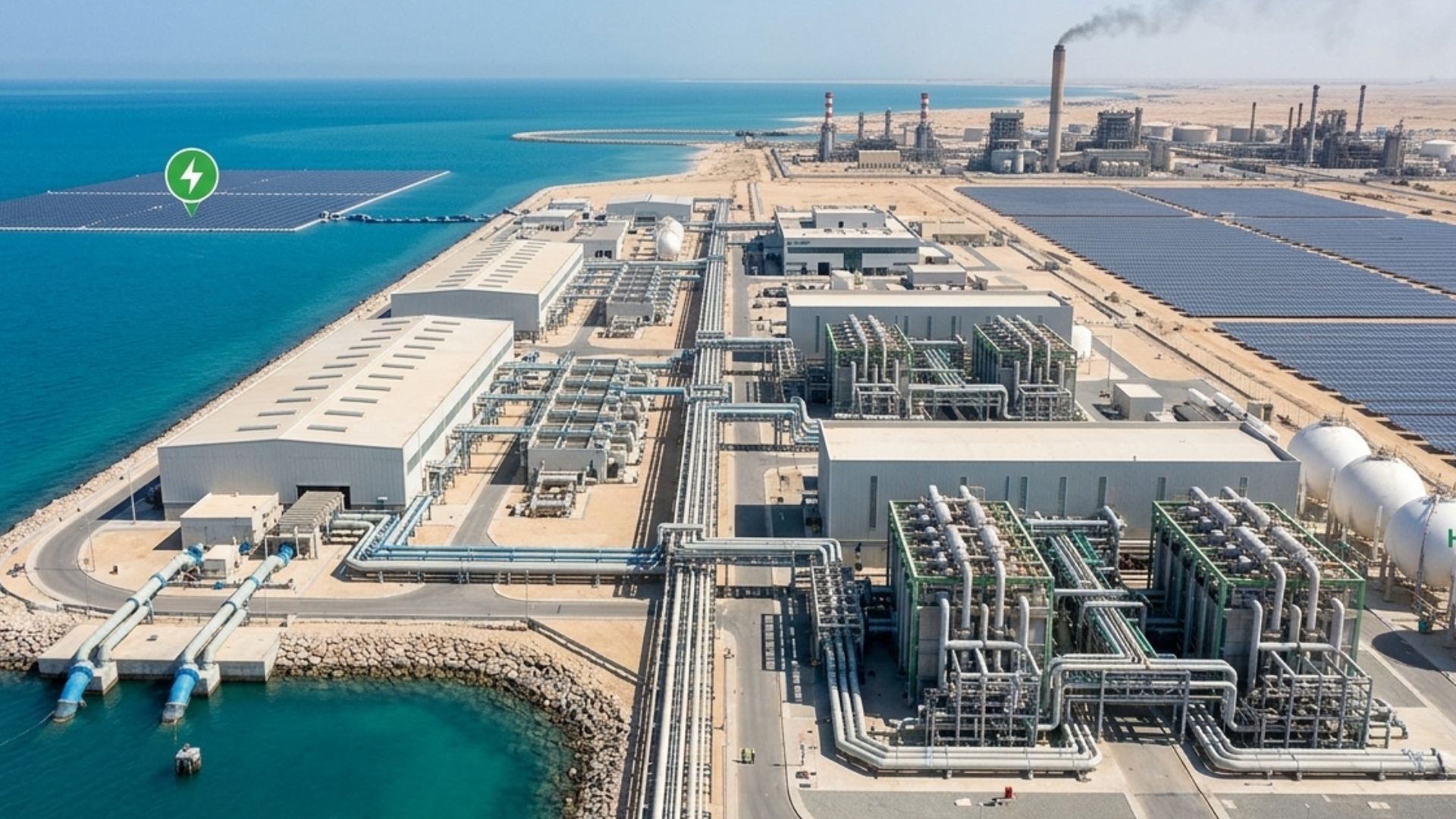
The world has bet on green hydrogen as the fuel of the future, but now faces the side effect: producing 1 kilogram requires about 9 liters of ultrapure water, and the largest projects on the planet are precisely in the driest regions of the Earth, where water is already scarce for people.

Furthermore, with an investment of R$ 150 million, financed by the BNDES Climate Fund, the plant results from public policies and private initiatives aimed at reducing the effects of climate change in the state.
Historically, Rio Grande do Sul has stood out for its environmental concern and the search for alternatives for sustainable resource utilization.
For decades, solid waste management in the state has concentrated on proper collection and disposal to landfills.
However, with advances in science and energy technologies, the opportunity arose to transform organic waste into biogas and biometano, adding economic value and consequently reducing the emission of greenhouse gases.
Moreover, the development of projects like Biometano Sul reflects a global trend towards encouraging the circular economy. Where waste that once posed environmental problems becomes raw material for energy production.
Therefore, this approach reinforces the importance of public policies that promote innovation, scientific research, and the adoption of clean technologies.
In this way, a sustainable cycle of production and consumption is created.
Inauguration and Institutional Support
Governor Eduardo Leite, State Secretary of Economic Development Ernani Polo, and various local authorities participated in the inauguration of Biometano Sul, alongside representatives from state agencies such as FEPAM.
During the event, the governor highlighted the project’s significance for the biogas and biometano policy developed over the past few years.
According to Leite, initiatives like this consolidate RS as a reference in sustainability, integrating clean energy solutions into regional economic development.
Additionally, the project also received support from state programs such as Fundopem RS and Integrar RS, which encourage public-private partnerships and offer tax advantages.
Among the benefits are the reduction of financial burdens, the exemption of ICMS on imported equipment, and the exemption from DIFAL for equipment acquired outside the state.
Thus, these incentives demonstrate how the energy transition in RS is sustained by strategic policies that stimulate innovation and reduce financial barriers for sustainable projects.
Rafael Salamoni, director of Biometano Sul, emphasized that the plant represents a new level of energy innovation for the state.
He stated that the company’s commitment goes beyond the first unit, with plans to inaugurate a second plant in São Leopoldo next year.
Thus, this expansion strengthens the mission of reducing greenhouse gas emissions and consolidating biometano as a real and viable alternative for decarbonizing the local energy matrix.
Moreover, the Biometano Sul project serves as an innovation laboratory for new energy solutions, allowing the testing of biogas purification technologies and integrating systems with solar and wind energy.
As a result, this technological synergy enhances energy efficiency and ensures that biometano production is economically viable and environmentally sustainable.
Economic and Social Benefits
Leomyr Girondi, president of CRVR, emphasized that the project proves that responsible waste management can create benefits beyond environmentally correct disposal.
By transforming waste into clean energy, Biometano Sul creates new economic and social opportunities, demonstrating that it is possible to reconcile economic development and sustainability.
Furthermore, the biometano produced at the CRVR landfill will be sold to companies like Ultragaz.
Consequently, it will serve the Gaúcho industrial market and contribute to the modernization of the RS energy matrix.
The energy transition is a complex and long-term process, involving changes in the production, distribution, and consumption of energy.
In the historical context of Rio Grande do Sul, this movement has intensified in recent years, with public policies focused on diversifying the energy matrix and adopting renewable sources.
Therefore, biometano emerges as a strategic piece, as it has characteristics similar to fossil natural gas but comes from organic waste.
In this way, it becomes an environmentally responsible solution.
Moreover, the role of biometano in the energy transition in RS complements other renewable fuels, such as green diesel and sustainable aviation fuel.
These inputs are part of the federal program “Fuel of the Future,” which encourages the gradual replacement of fossil sources with clean alternatives and promotes the decarbonization of the Brazilian economy.
Thus, by integrating these elements, Rio Grande do Sul positions itself as a leader in adopting clean technologies and building a more sustainable energy model.
Expansion and Consolidation of the Energy Matrix
In addition to reducing emissions, biometano strengthens the local economy.
The Biometano Sul plant generates direct and indirect jobs, stimulates regional suppliers, and opens new business opportunities for companies adopting sustainable practices.
Therefore, by transforming waste into energy, the state demonstrates that technological innovation can drive economic growth, becoming an example for other regions of the country.
The second plant in São Leopoldo is under construction and will have the capacity to generate 34 thousand cubic meters of biometano per day, with an investment exceeding R$ 100 million.
Together, the two units represent investments of R$ 230 million and consolidate Solví as one of the main drivers of the energy transition in Southern Brazil.
Consequently, the expansion highlights investors’ confidence in the potential of biometano as a clean and efficient fuel, capable of serving different sectors of the economy.
The journey of Rio Grande do Sul in the area of renewable energy shows that the state is seeking alternatives that combine sustainability and economic development.
From the initial investments in wind and solar energy to projects utilizing biogas, RS demonstrates commitment to reducing emissions and technological innovation.
Thus, Biometano Sul represents a concrete step in this journey, showing that environmental challenges can become opportunities for growth.
The development of partnerships with universities and research centers strengthens the state’s role as a center of energy innovation.
Furthermore, these collaborations enhance biogas purification processes, increase biometano production efficiency, and train qualified professionals for the sector.
In this way, a knowledge network is created that sustains the entire renewable energy chain.
Energy Transition in RS: Environmental Impact and Sustainable Future
Biometano, by integrating into the state energy matrix, contributes to a more sustainable production, reduces dependence on fossil fuels, and promotes the decarbonization of the Gaúcho economy.
Thus, this change impacts not only the energy sector but also industry, transportation, and households, reflecting a broad and structured transformation.
Therefore, the inauguration of Biometano Sul symbolizes much more than the production of a new fuel.
It represents the advancement of the energy transition in RS, consolidating the state as a reference in sustainability and innovation policies.
Consequently, other regions can draw inspiration to develop clean energy solutions, efficiently and responsibly utilizing local resources.
The experience of Rio Grande do Sul shows that investing in renewable energy is a long-term strategy capable of generating economic, social, and environmental benefits for all of society.