Portuguese
  Spanish


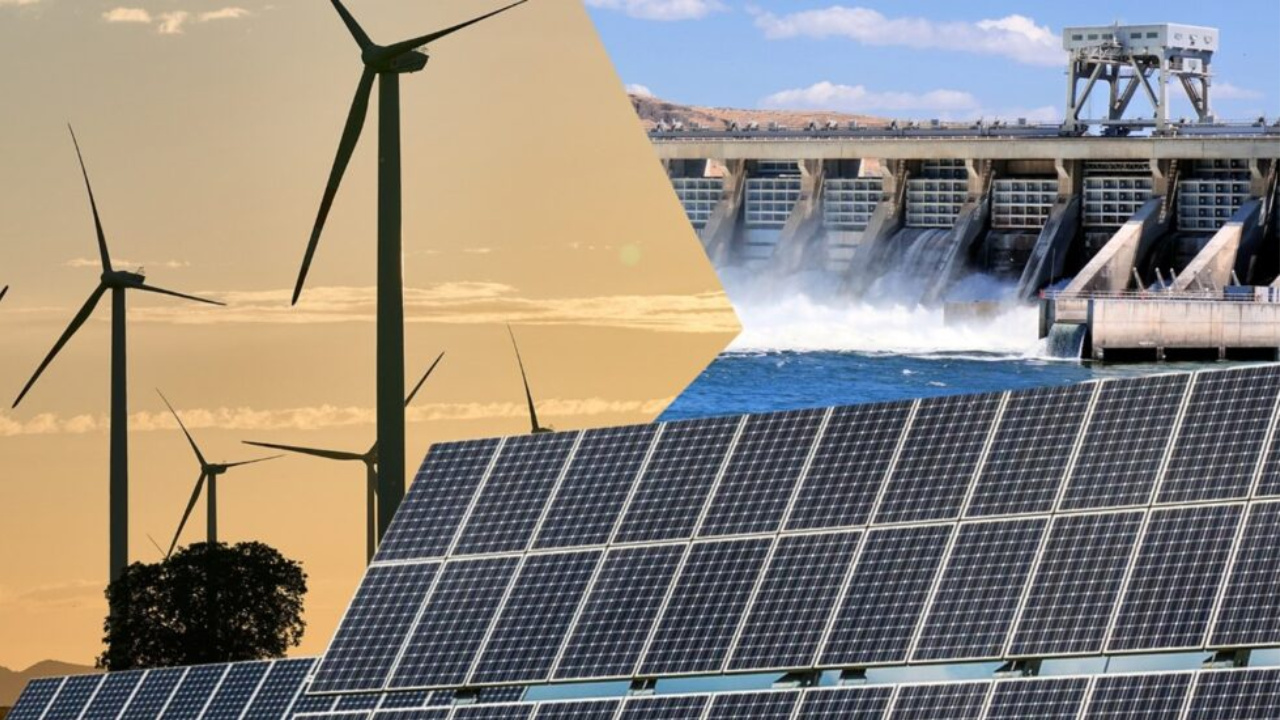

A report from the British center Ember, in partnership with the International Renewable Energy Agency, reveals that sustainable energies — especially solar and wind — have surpassed 40% of global electricity generation, even in the face of economic challenges and the pressure of cheap oil.
Sustainable energies are transforming the global electricity matrix. A recent report prepared by the British center Ember, based on data from the International Renewable Energy Agency (IRENA), shows that clean sources now account for 41% of global electricity generation. This historic milestone reflects the maturation of the sector and the consolidation of the energy transition, mainly driven by the low cost of installation and operation of solar and wind technologies.
Despite an international context of uncertainty, the movement towards renewable energies remains strong. Economic instability and variations in global trade could, in theory, discourage investments, but the efficiency of new technologies has been overcoming financial and political barriers.
Solar and Wind Stand Out in Global Growth
According to the study, solar energy led the expansion in 2024, with an average growth of 29% in global installed capacity. Meanwhile, wind energy showed an increase of 7.9% during the same period. In contrast, electricity generation based on fossil fuels recorded a modest increase of only 1.4%.
-
Brazilian scientists are simultaneously advancing two research projects on clean hydrogen and driving solutions that could transform the energy matrix, enhance industrial competitiveness, and accelerate large-scale emission reduction targets.

-
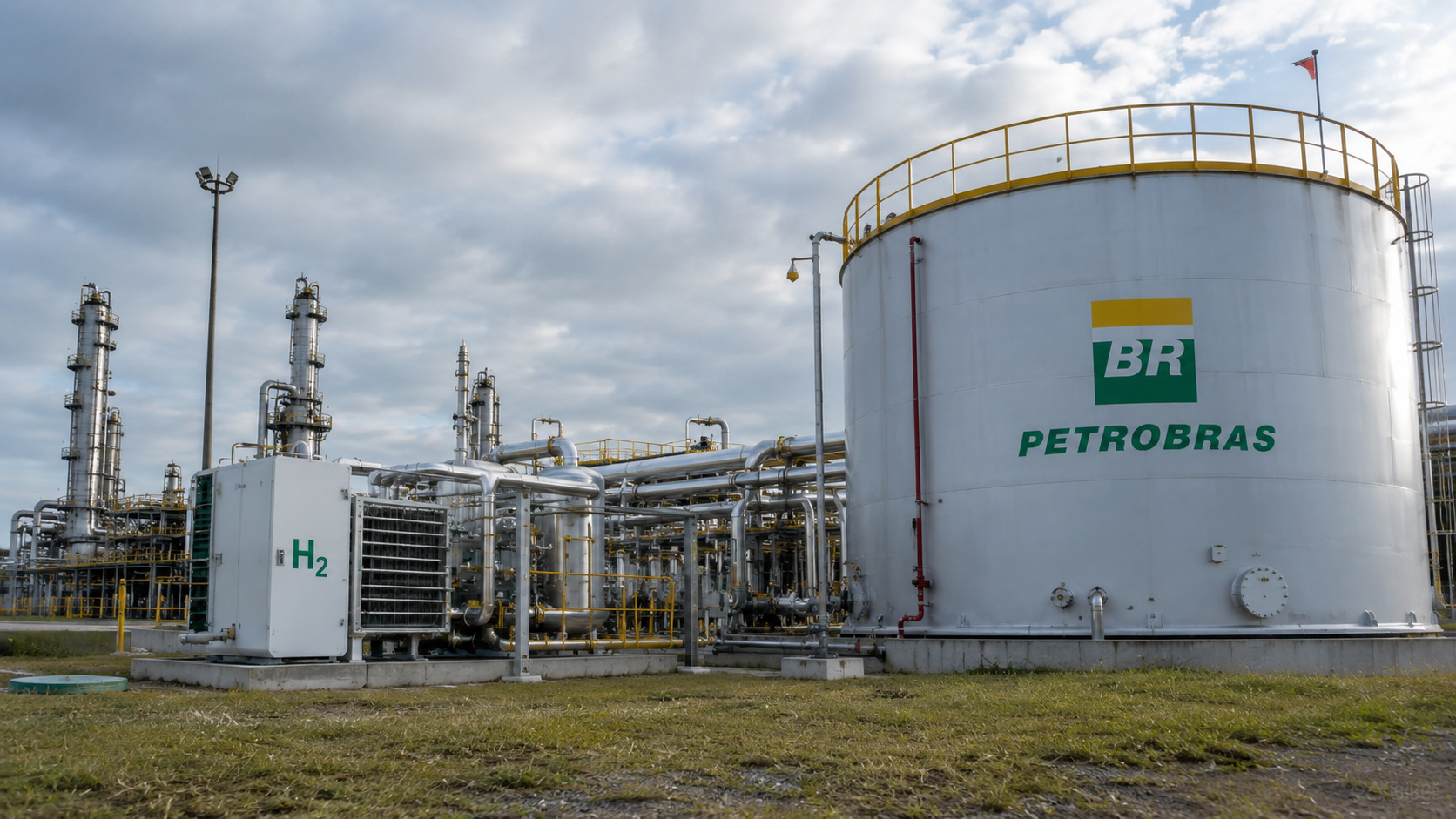
Advancement in renewable energy: A R$ 150 million project launched by Petrobras and Finep aims to create state-of-the-art electrolyzers for green hydrogen, strengthening national research and preparing Brazil to compete in a billion-dollar energy market.
-
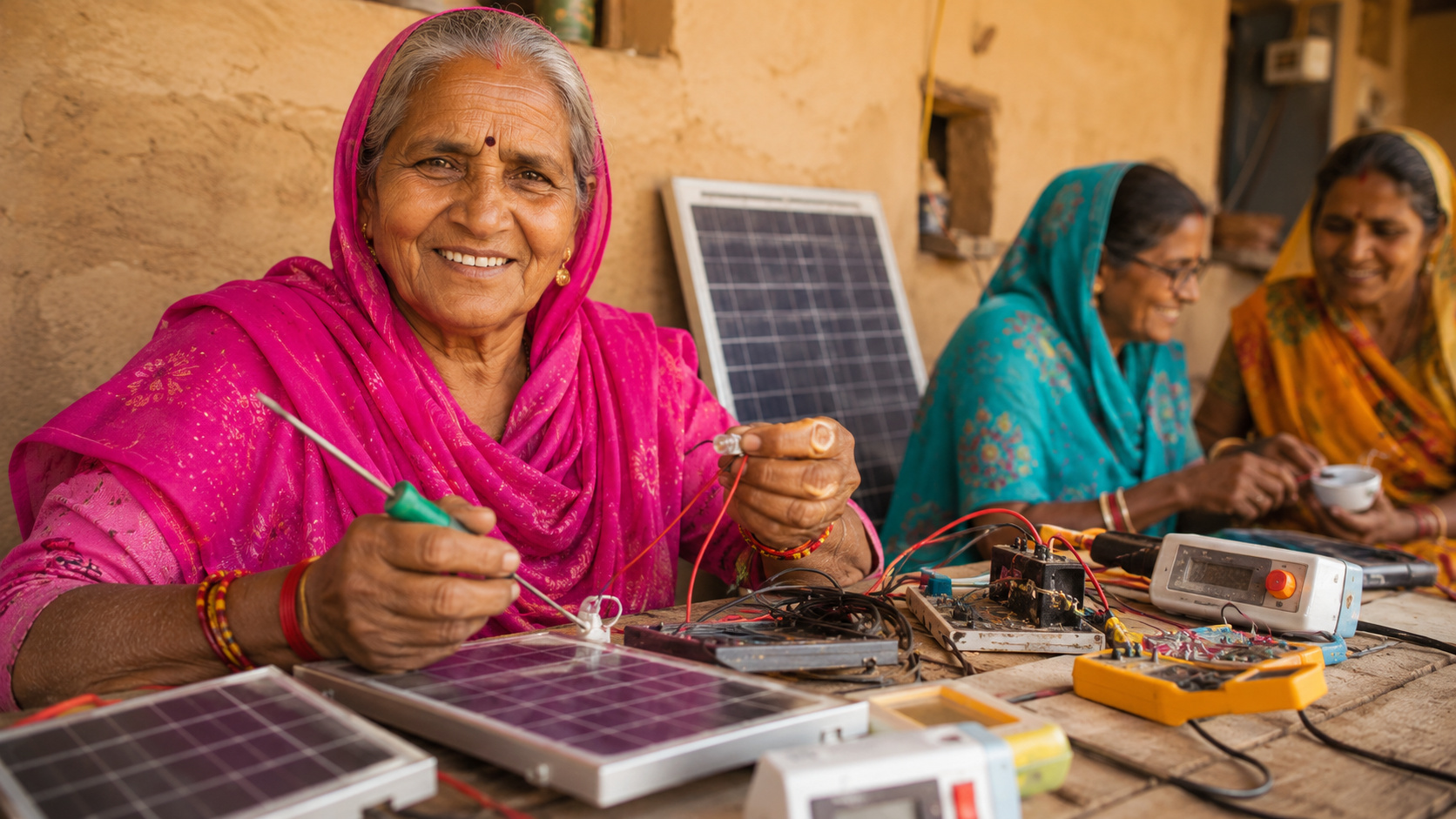
Illiterate or semi-literate grandmothers were trained to repair solar systems, open rural workshops, and light up homes that still depended on kerosene.
-
The world has bet on green hydrogen as the fuel of the future, but now faces the side effect: producing 1 kilogram requires about 9 liters of ultrapure water, and the largest projects on the planet are precisely in the driest regions of the Earth, where water is already scarce for people.


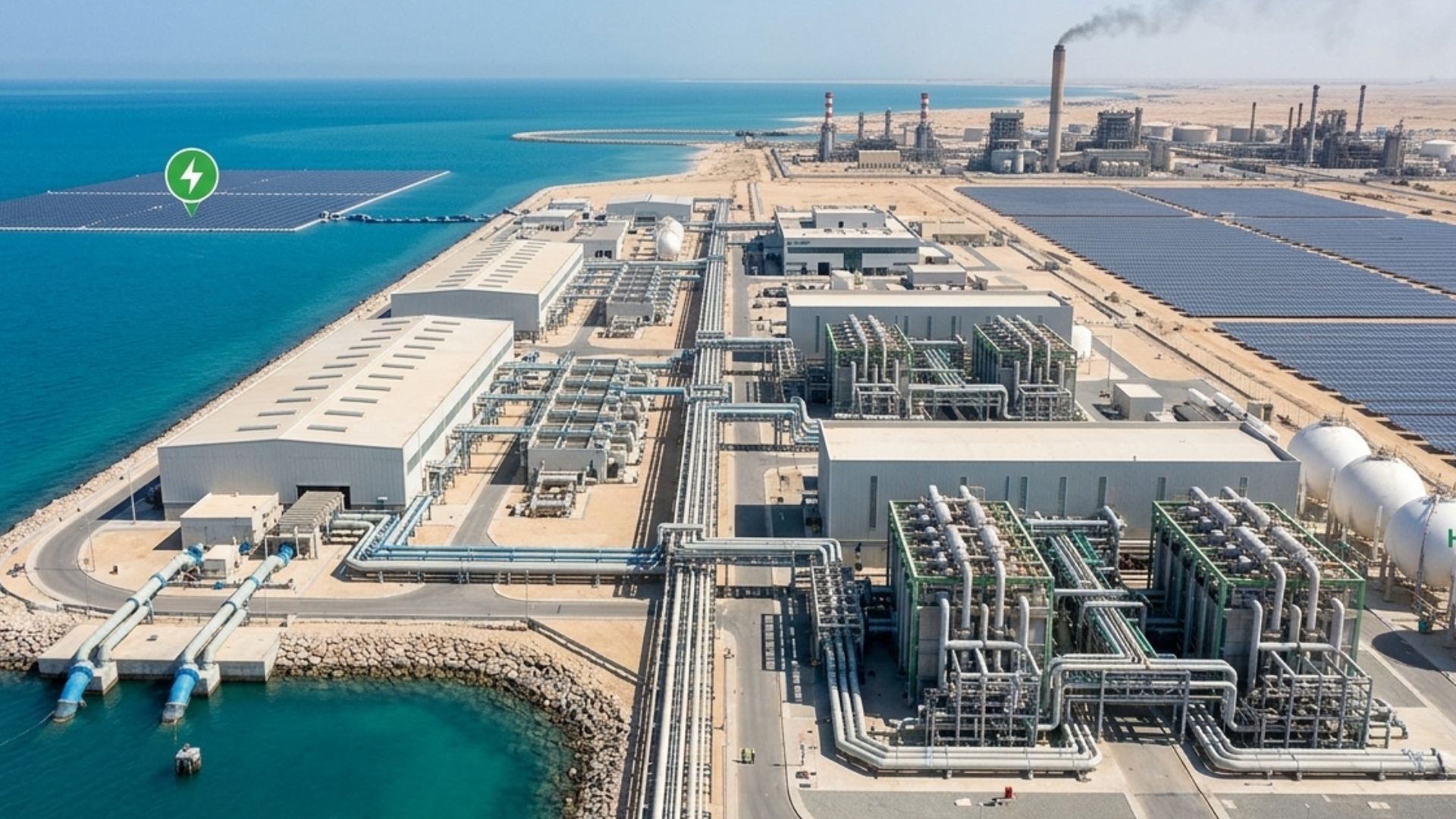
This leap is largely due to the popularization of distributed microgeneration, primarily from solar photovoltaic energy. More and more households and small businesses are installing solar panels, which helps democratize access to clean energy and reduce electricity costs.
The advancement of sustainable energies is also directly linked to a significant drop in equipment prices and increased efficiency of generation systems. In many countries, producing energy from the sun or wind is already cheaper than relying on fossil fuels.
This reduction in costs has encouraged the expansion of large solar plants and wind farms, which together represent a safer and more predictable alternative in the face of fluctuations in the oil market. However, it is important to highlight that the rapid growth of these sources requires investments in electrical infrastructure, such as transmission lines and intelligent management systems to balance energy supply and demand.
Challenges and Perspectives Ahead of COP30
On the eve of COP30, the numbers released reinforce that the global energy transition cannot be delayed. Even with the forecast of oil overproduction in the United States, which tends to put downward pressure on prices, the renewable energy sector demonstrates resilience and increasing competitiveness.
Amid economic and geopolitical uncertainties, the advancement of sustainable energies stands as a concrete response to the climate crisis. The world seems, at last, to be moving more consistently towards a cleaner, more efficient, and accessible energy model for all.